



Table of Contents
Introduction
Gordon Moore first predicted in a April 19, 1965, article in Electronics magazine that the number of components (transistors/resistors) on a chip would double annually. He later revised this projection in 1975 to a doubling approximately every 24 months.
AI is everywhere, capturing headlines in sectors like tech, finance, healthcare, and beyond. Leading global companies such as Microsoft, Amazon, NVIDIA, Meta, Google, OpenAI, Qualcomm, Intel, TSMC, and Alibaba are investing heavily in AI initiatives, marking it as one of the most pivotal innovations of our time.
AI is making a significant impact across industries, from transforming the workforce and healthcare to revolutionizing space exploration and shaping daily life. It is rapidly becoming the driving force behind technological advancements, enabling data centers to operate more efficiently and handle increasingly complex workloads with ease.
But what exactly are AI chips, and why are they so important to advance us to this new age of technology?
AI chips, including FPGAs, GPUs, and ASIC accelerators, are built to power machine learning technologies and can process far more data and far more complexity than traditional processors. It’s turning into a driver of all things tech, helping make data centers more efficient than ever at processing increasingly complex workloads.
What Is an AI Chip
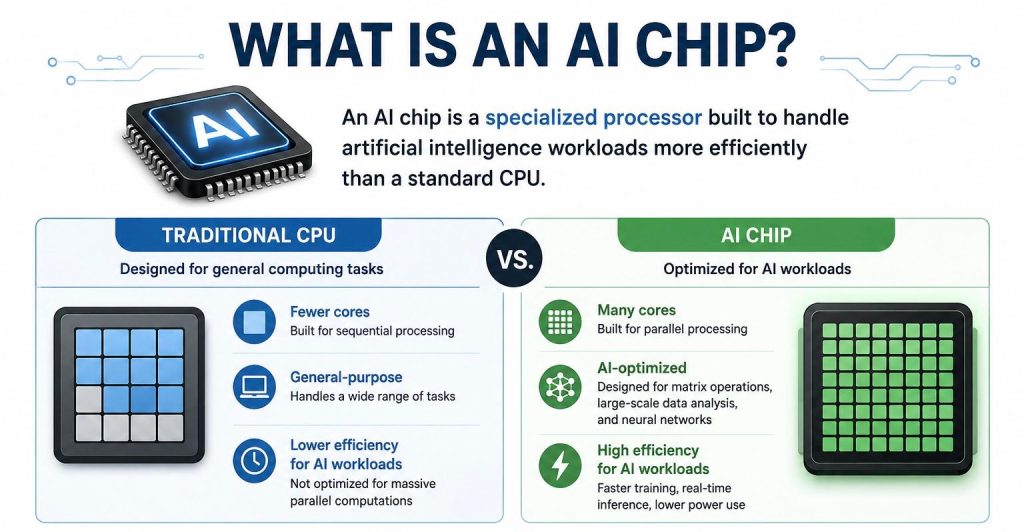
AI chips are specialized processors designed to handle the intense computational needs of artificial intelligence.
Unlike traditional CPUs that perform general tasks, AI chips are optimized for machine learning, deep learning, and massive parallel processing. They enable the quick training of complex models and the efficient execution of AI applications.
- CPU: The main chip in a computer. Good at many tasks but slow for AI.
- GPU: Designed for graphics, but great for AI because it handles many calculations at once.
- TPU: Google’s chip made specifically for deep-learning math.
- ASIC: A chip built for one specific AI task, extremely fast and efficient.
- FPGA: A flexible chip that can be reprogrammed for different AI needs.
AI Chips vs. Traditional Chips
The late Gordon Moore, past CEO of Intel, famously observed that on average, the number of transistors on a chip (and thus performance) doubled every two years. This observation became known as Moore’s law.
- As the years have passed and chips (and the process nodes they run on) have become ever-more sophisticated, the ceiling of Moore’s law is closing in.
- There is a limit. In the last several years, the limit has been broken wide open by rethinking semiconductor architecture altogether.
- Today, multi-die system architecture has paved the road for exponential increases in performance and a new world of design possibilities.
How AI Chips Work
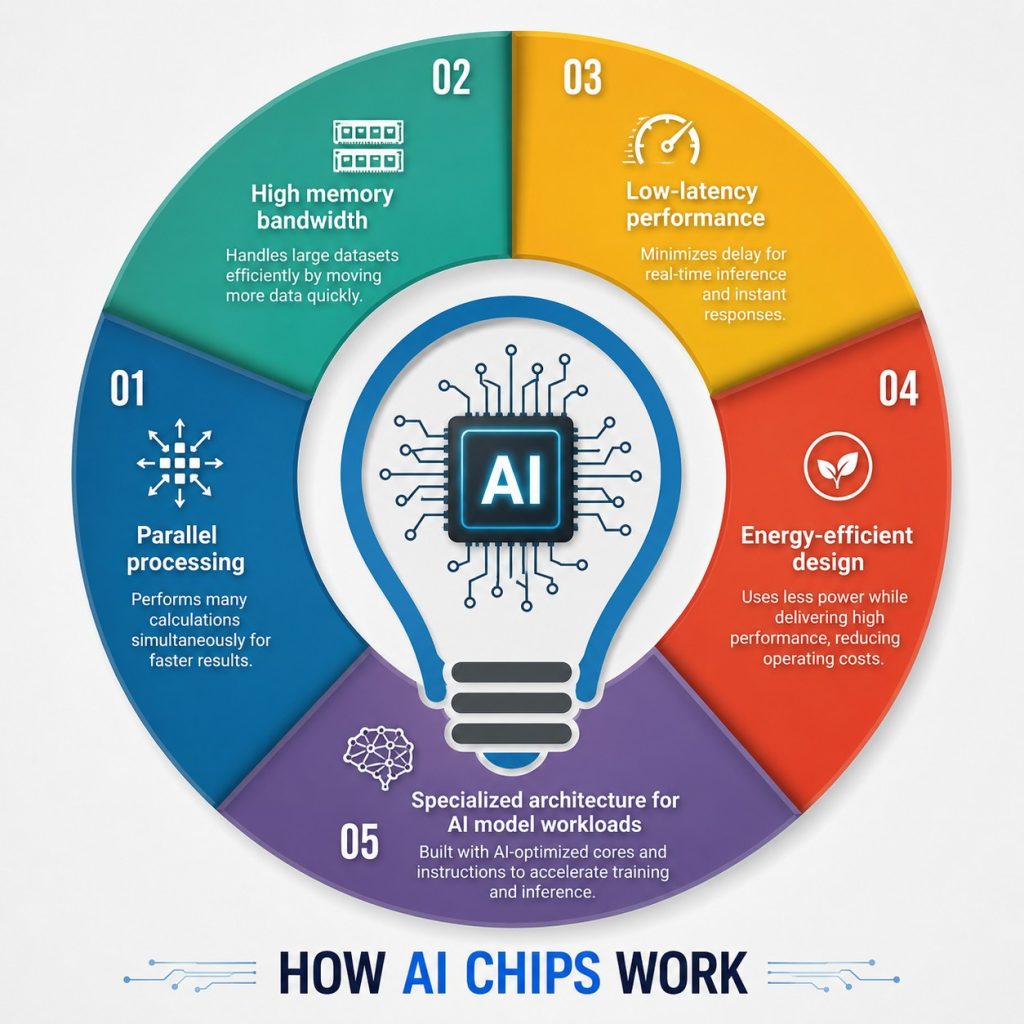
AI chips work by processing huge amounts of data through highly parallel computing. Instead of handling one instruction at a time like many traditional processors, AI chips can perform thousands of operations at once.
- Training is the process by which an AI model learns from large datasets.
- This requires massive computing power because the model must analyze patterns, adjust parameters, and improve accuracy over many cycles.
- Inference happens when a trained AI model makes predictions or generates responses.
- For example, when a chatbot answers a question, a fraud detection system flags a transaction, or an eCommerce site recommends a product, inference is taking place.
AI chips improve these processes through:
- Parallel processing for faster calculations
- High memory bandwidth for large datasets
- Low-latency performance for real-time responses
- Energy-efficient design for lower operating costs
- Specialized architecture for AI model workloads
This is why AI chips are used in cloud data centers, edge devices, autonomous systems, smart cameras, healthcare equipment, industrial automation, and enterprise software platforms.
Types of AI Chip Processors
Different AI processors are built for different use cases. Choosing the right one depends on the workload, budget, performance needs, flexibility, and deployment environment.
GPUs (Graphics Processing Units)
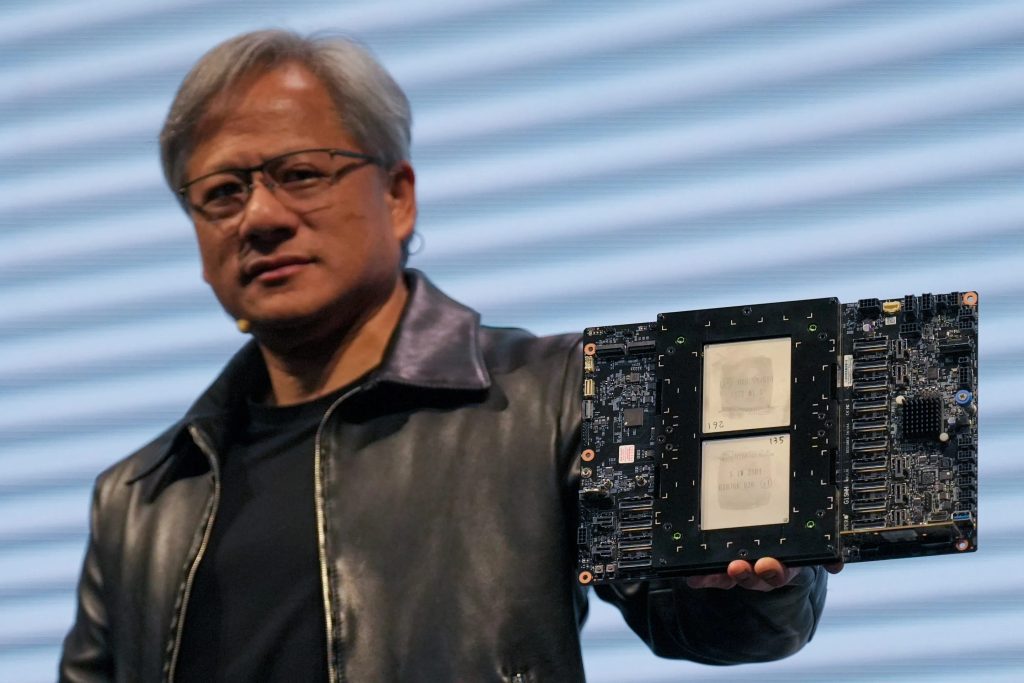
GPUs are among the most widely used processors for AI. Originally designed for graphics rendering, GPUs are excellent at parallel processing, making them highly effective for deep learning and generative AI workloads.
They are commonly used for:
- AI model training
- Deep learning
- Computer vision
- Large language models
- Scientific simulations
- Data center AI workloads
NVIDIA has been one of the dominant players in GPU-based AI computing, while AMD continues to expand its AI accelerator lineup.
FPGAs (Field-Programmable Gate Arrays)
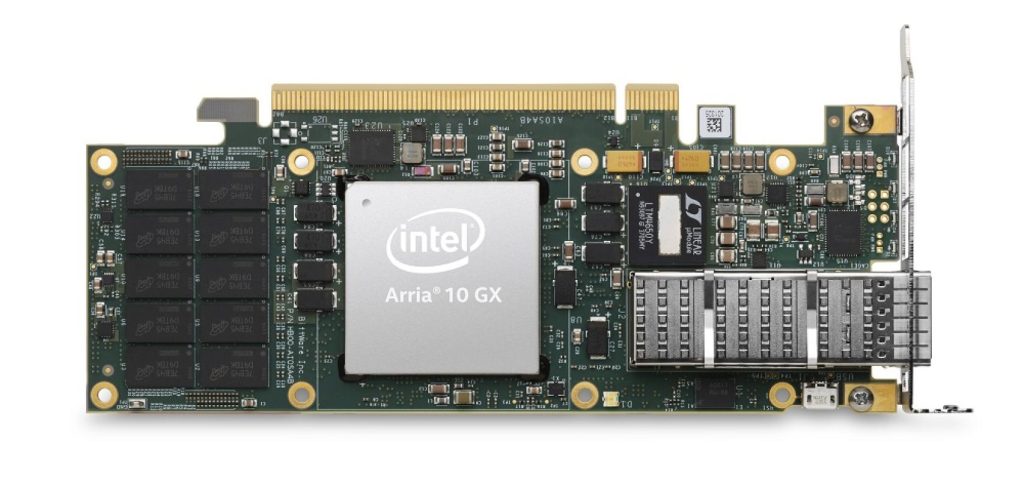
FPGAs are programmable chips that can be customized after manufacturing. They are useful when businesses need flexibility and lower latency for specific AI workloads.
FPGAs are often used in:
- Edge AI
- Financial trading systems
- Telecom networks
- Industrial automation
- Custom AI applications
The major advantage of an FPGA is flexibility. The design can be reconfigured as requirements change, which makes it useful for specialized business needs.
ASICs (Application-Specific Integrated Circuits)
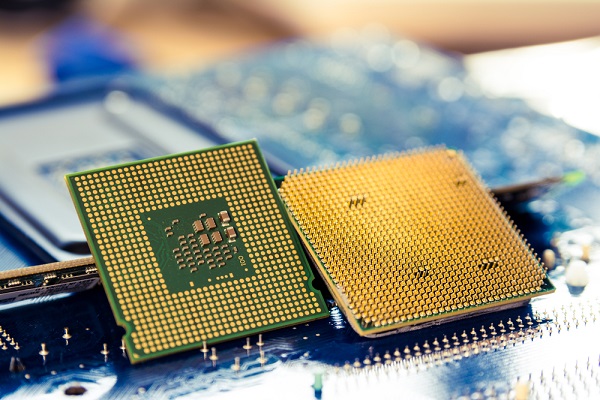
ASICs are custom-built chips designed for a specific task. They are less flexible than GPUs or FPGAs, but they can deliver excellent performance and energy efficiency for targeted workloads.
ASICs are commonly used in:
- AI inference
- Cloud AI platforms
- Smart devices
- High-volume AI applications
- Data center acceleration
Google TPUs and AWS Trainium are examples of AI-focused processors built for specific cloud AI workloads. AWS positions Trainium as purpose-built for training and inference across generative AI workloads.
TPUs (Tensor Processing Units)
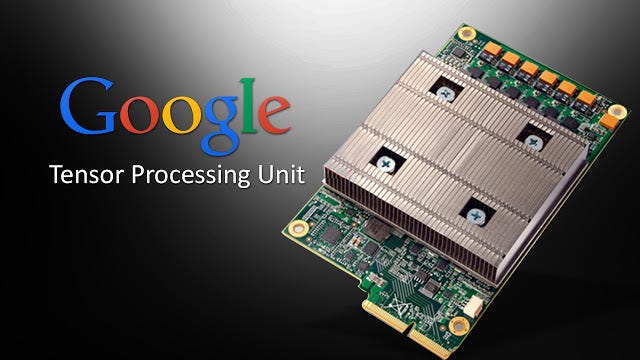
TPUs, or Tensor Processing Units, are AI processors developed by Google for machine learning and deep learning tasks. They are designed to accelerate tensor operations, which are essential for AI model training and inference.
TPUs are commonly used in:
- Google Cloud AI workloads
- Large-scale machine learning
- Deep learning models
- Natural language processing
- AI research and enterprise AI applications
Google continues to expand its AI infrastructure for businesses building advanced AI and agentic systems on cloud platforms.
NPUs (Neural Processing Units)
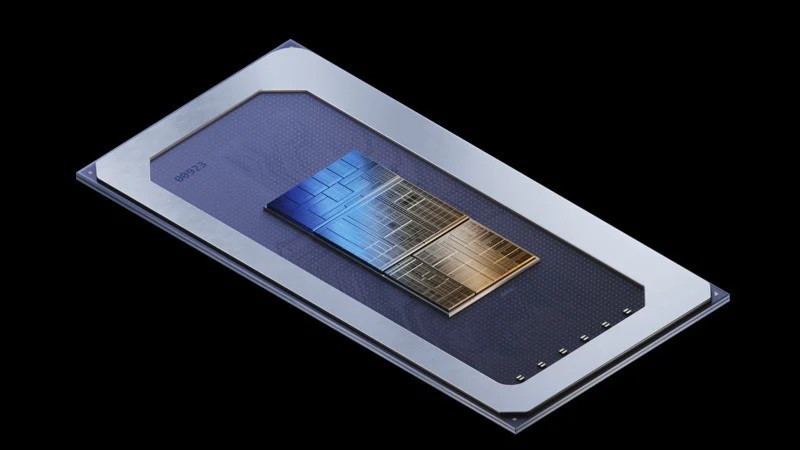
NPUs, or Neural Processing Units, are processors designed specifically for neural network operations. They are increasingly common in smartphones, laptops, smart devices, and edge computing systems. NPUs are used for:
- On-device AI
- Voice recognition
- Image enhancement
- Face recognition
- Smart assistants
- Real-time personalization
The biggest benefit of NPUs is that they allow AI tasks to run locally on a device without always depending on cloud processing.
AI Accelerators
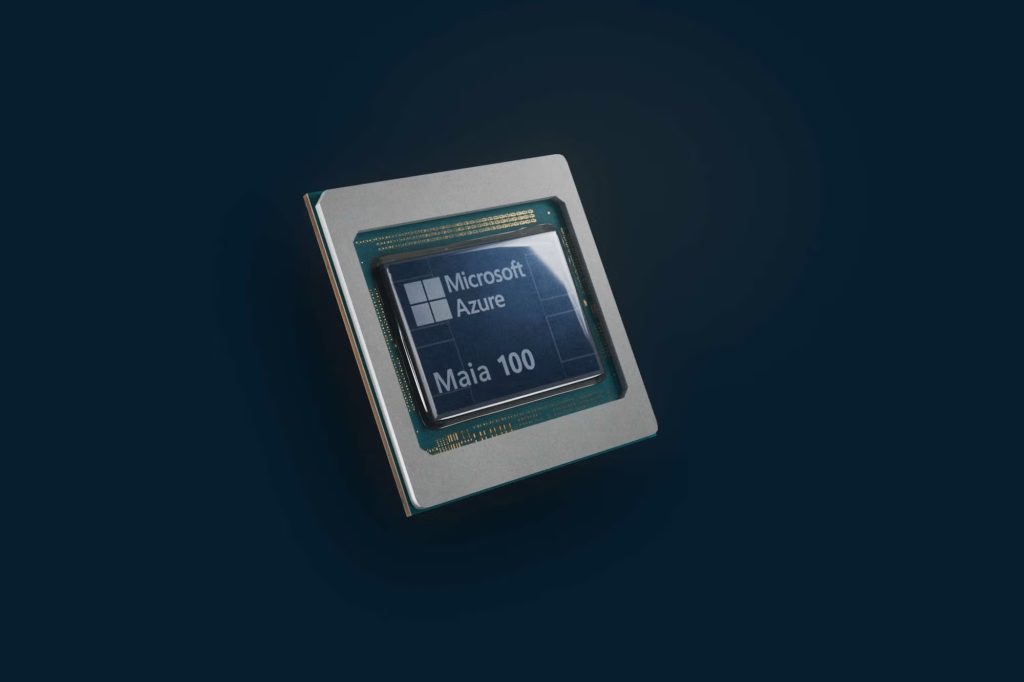
AI accelerators are specialized chips or hardware systems designed to speed up AI workloads. These may include GPUs, TPUs, ASICs, or other custom processors. They are widely used in:
- Enterprise AI
- Generative AI platforms
- Cloud computing
- Data centers
- AI-powered SaaS platforms
- Large-scale automation systems
For businesses, AI accelerators help improve speed, reduce processing costs, and support larger AI models.
How to Choose the Right AI Processor
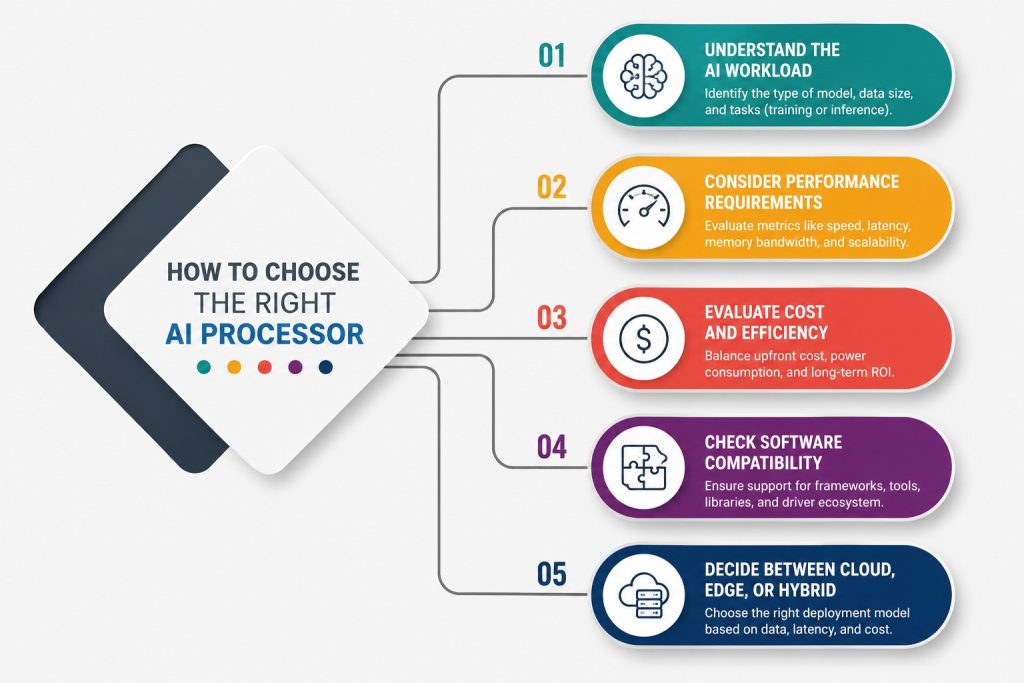
Choosing the right AI processor depends on what your business wants to achieve. There is no single best chip for every AI project. The right choice depends on workload type, scalability, cost, infrastructure, and long-term AI strategy.
Understand the AI Workload
Start by identifying whether the system needs training, inference, or both.
- Training requires more computing power because the model must learn from large datasets.
- Inference needs speed, efficiency, and low latency because the model is already trained and must respond quickly.
- For example, a company building a large language model may need powerful GPUs or cloud AI accelerators.
- A retail business using product recommendations may only need efficient inference infrastructure.
Consider Performance Requirements
Different AI applications have different speed and accuracy needs. A chatbot can tolerate slight delays, but autonomous vehicles, fraud detection systems, and medical imaging tools require near real-time performance. Key performance factors include:
- Processing speed
- Memory bandwidth
- Latency
- Model size support
- Energy efficiency
- Scalability
Evaluate Cost and Efficiency
AI infrastructure can become expensive if it is not planned properly.
- Businesses should compare hardware cost, cloud usage cost, power consumption, maintenance, and software compatibility.
- A high-end GPU may offer excellent performance, but it may not be cost-effective for smaller AI workloads.
- In many cases, cloud-based AI accelerators can help businesses avoid large upfront infrastructure investments.
Check Software Compatibility
Hardware alone does not determine AI performance. The software ecosystem matters just as much. Businesses should consider whether the processor supports popular AI frameworks, such as:
- TensorFlow
- PyTorch
- JAX
- ONNX
- CUDA
- ROCm
- Cloud-native AI tools
- NVIDIA’s CUDA ecosystem remains a major strength in AI development, while AMD continues building its ROCm ecosystem to compete in AI workloads.
Decide Between Cloud, Edge, or Hybrid
AI processors can be used in data centers, cloud platforms, local servers, or edge devices. Cloud AI is useful for scalability and flexibility. Edge AI is useful when speed, privacy, or offline performance matters. Hybrid AI combines both models.
Examples:
- Cloud AI for large-scale model training
- Edge AI for smart cameras and IoT devices
- Hybrid AI for enterprise platforms needing both control and scalability
AI Chip Architectures and Features
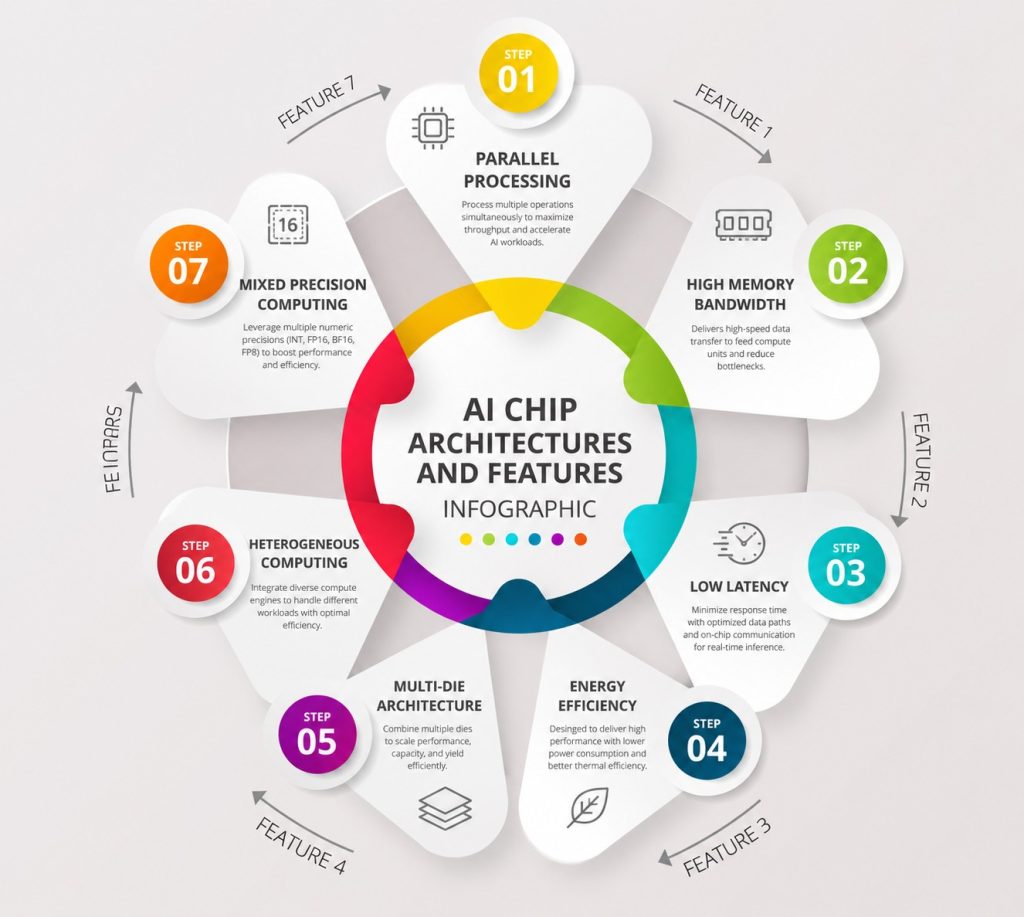
AI chip architecture refers to how the chip is designed to process data, manage memory, and execute AI workloads. Modern AI chips are becoming more advanced because AI models are larger, more complex, and more demanding than ever.
Parallel Processing
- AI chips are built for parallel processing.
- This means they can perform many calculations at the same time.
- Since AI models rely on repeated mathematical operations, parallel processing helps improve speed and efficiency.
High Memory Bandwidth
- AI workloads require fast access to large amounts of data.
- High memory bandwidth allows the processor to move data quickly between memory and compute units.
- This is especially important for large language models, image processing, and generative AI applications.
Low Latency
- Latency is the time it takes for a system to respond.
- Low latency is critical for real-time AI applications such as voice assistants, autonomous systems, fraud detection, and industrial automation.
Energy Efficiency
- AI chips must deliver high performance without excessive power consumption.
- This is especially important for data centers, mobile devices, edge systems, and businesses trying to control operational costs.
Multi-Die Architecture
- Modern AI chips increasingly use multi-die designs, where multiple specialized components are combined in one package.
- This helps improve performance, scalability, and efficiency compared to older monolithic chip designs.
Heterogeneous Computing
Heterogeneous architecture combines different types of processors, such as CPUs, GPUs, NPUs, and accelerators, so each part can handle the task it is best suited for. For example:
- CPUs handle general computing
- GPUs manage parallel AI workloads
- NPUs process neural network tasks
- ASICs accelerate specific AI functions
- This approach helps businesses build faster, more efficient, and more scalable AI systems.
Mixed Precision Computing
- AI chips often support different precision formats such as FP32, FP16, FP8, and newer low-precision formats.
- Lower precision can improve speed and reduce memory usage while still maintaining model accuracy for many AI tasks.
- Recent AI accelerator releases show strong industry focus on mixed-precision formats for inference and generative AI workloads.
Top AI Chip Vendors and Platforms
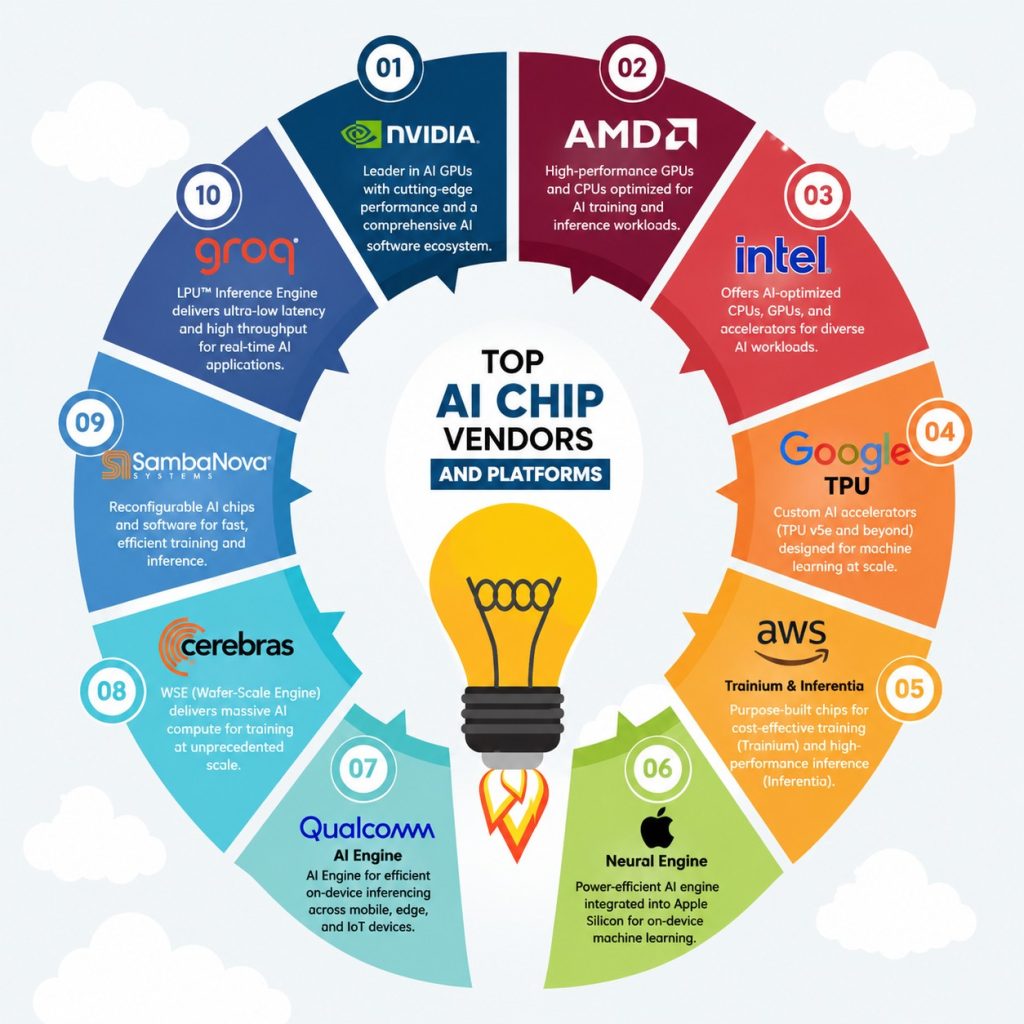
The AI chip market includes hardware companies, cloud providers, semiconductor manufacturers, and specialized AI infrastructure platforms.
NVIDIA
NVIDIA is one of the leading AI chip companies, especially in GPUs and data center AI acceleration.
- Its GPUs are widely used for training large AI models, generative AI systems, enterprise AI platforms, and research workloads.
- NVIDIA’s strength comes not only from hardware but also from its software ecosystem, including CUDA, AI libraries, and developer tools.
AMD (Advanced Micro Devices)
AMD is expanding its presence in AI accelerators with its Instinct product line.
- AMD’s AI chips are designed for data center workloads, high-performance computing, and AI inference.
- AMD is also investing in ROCm, its open software platform for AI and high-performance computing workloads.
Intel
Intel offers CPUs, AI accelerators, and edge AI solutions.
- Its processors are used across enterprise systems, cloud infrastructure, PCs, and AI-enabled applications.
- Intel’s AI strategy focuses on combining CPUs, accelerators, software tools, and enterprise infrastructure support.
Google TPU
Google’s Tensor Processing Units are built for machine learning workloads and are available through Google Cloud.
- TPUs are widely used for deep learning, model training, and AI research.
- Google continues to invest in AI infrastructure to support large-scale, cost-efficient AI development.
AWS Trainium and Inferentia
AWS offers purpose-built AI chips, including Trainium for training and inference and Inferentia for inference workloads. These chips are designed to help businesses run AI workloads more efficiently on AWS cloud infrastructure.
Apple Neural Engine
Apple uses its Neural Engine in iPhones, iPads, and Macs to support on-device AI. It powers tasks such as image processing, voice recognition, privacy-focused AI features, and real-time personalization.
Qualcomm AI Engine
Qualcomm provides AI processors for smartphones, edge devices, automotive systems, and IoT applications. Its chips are designed for efficient on-device AI processing.
Cerebras
Cerebras is known for large-scale AI chips and systems designed for deep learning and high-performance AI computing. Its technology is focused on reducing training time for large AI models.
SambaNova
SambaNova offers AI hardware and software platforms designed for enterprise AI workloads. Its systems are used for generative AI, large language models, and enterprise model deployment.
Groq
Groq develops AI processors focused on high-speed inference. Its architecture is designed to deliver low-latency AI performance for real-time applications.
Future Trends in AI Chips
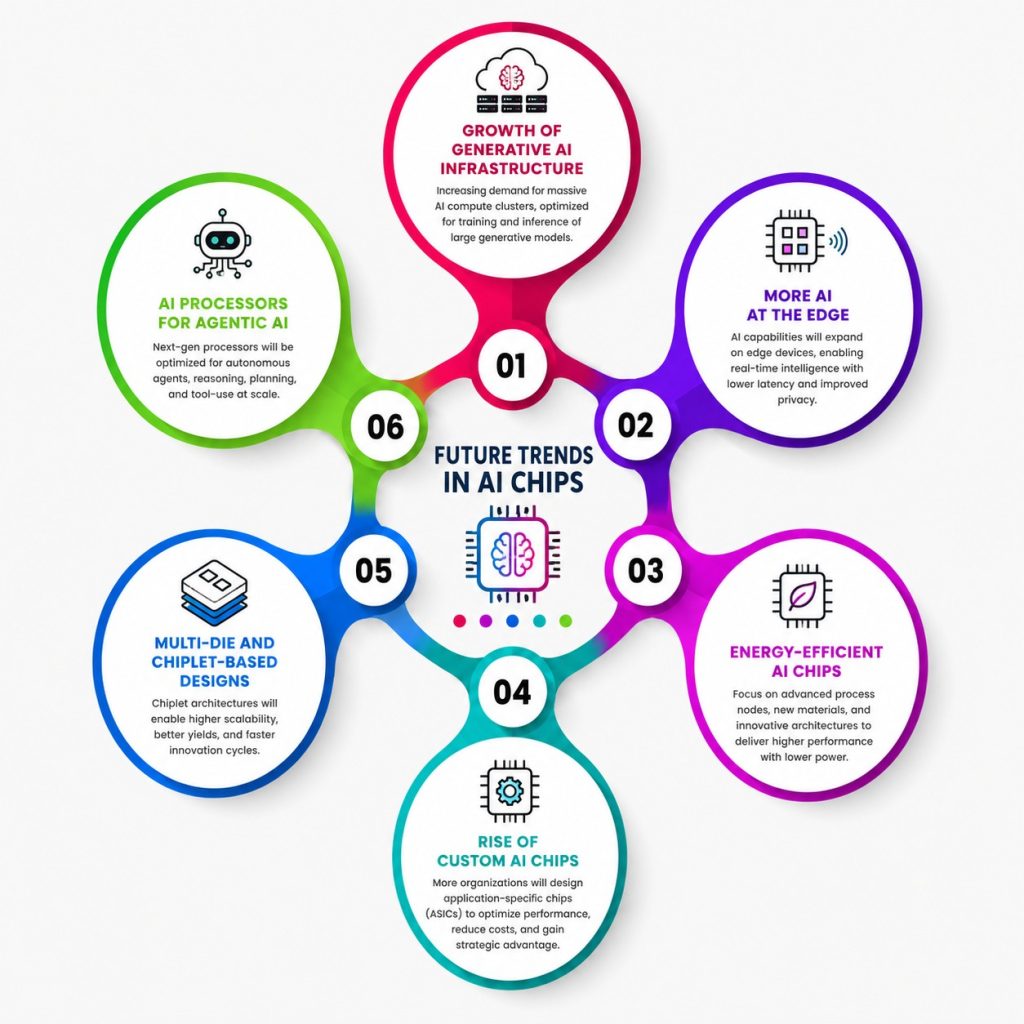
AI chip technology is evolving quickly as businesses demand faster, more efficient, and more scalable AI systems.
1. Growth of Generative AI Infrastructure
Generative AI requires massive computing power.
- As more companies adopt AI assistants, content generation tools, code assistants, and enterprise automation, demand for AI chips will continue to rise.
- Cloud providers and chip companies are building more powerful AI infrastructure to support these workloads.
2. More AI at the Edge
Edge AI allows data to be processed closer to the user or device instead of sending everything to the cloud. This improves speed, privacy, and reliability. Edge AI will grow in:
- Smart cameras
- IoT devices
- Retail systems
- Industrial sensors
- Healthcare devices
- Autonomous machines
3. Energy-Efficient AI Chips
Power consumption is one of the biggest challenges in AI infrastructure.
- Future AI chips will focus heavily on performance per watt, better cooling, and more efficient architecture.
- This will be especially important for large data centers and businesses running AI at scale.
4. Rise of Custom AI Chips
More technology companies are building their own AI chips to reduce dependency on third-party hardware and optimize performance for specific workloads. Cloud providers such as Google and AWS already offer custom AI chips for their platforms.
5. Multi-Die and Chiplet-Based Designs
Future AI chips will increasingly use chiplets and multi-die architecture.
- This allows manufacturers to combine different compute, memory, and networking components into one advanced package.
- This design helps improve scalability, performance, and manufacturing flexibility.
6. AI Processors for Agentic AI
AI is moving beyond simple chat responses toward agentic systems that can plan, take actions, automate workflows, and interact with business tools.
- This shift will require a stronger computing infrastructure across CPUs, GPUs, and AI accelerators.
- AWS has also noted that agentic workloads are increasing demand for both AI accelerators and CPUs.
Deepak Wadhwani has over 20 years experience in software/wireless technologies. He has worked with Fortune 500 companies including Intuit, ESRI, Qualcomm, Sprint, Verizon, Vodafone, Nortel, Microsoft and Oracle in over 60 countries. Deepak has worked on Internet marketing projects in San Diego, Los Angeles, Orange Country, Denver, Nashville, Kansas City, New York, San Francisco and Huntsville. Deepak has been a founder of technology Startups for one of the first Cityguides, yellow pages online and web based enterprise solutions. He is an internet marketing and technology expert & co-founder for a San Diego Internet marketing company.