



Table of Contents
Introduction
Robots have moved beyond fictional stories and controlled factory environments. Today, they assist healthcare workers during complex procedures, harvest crops, prepare food, transport products through warehouses, inspect critical infrastructure, and work alongside people to complete repetitive or physically demanding tasks.
As AMD Chair and CEO Dr. Lisa Su observed, “We’re at the early innings of this compute revolution.” Her statement highlights that the transformation driven by AI and advanced computing is still in its early stages. As computing capabilities continue to improve, robots will become more intelligent, responsive, and capable of handling increasingly complex tasks.
This rapid rise of robotics is being driven by several technologies advancing together. AI enables robots to process information, recognize patterns, and make decisions.
Advanced sensors help them understand and respond to their surroundings, while improvements in batteries, processors, computer vision, and cloud computing are making robotic systems faster, smarter, and more accessible.
Businesses across industries are adopting robots to address labor shortages, reduce workplace risks, increase productivity, and maintain consistent quality.
This guide explores the evolution of robots, the connection between AI and robotics, their applications across major industries, and what their continued growth could mean for businesses and workers.
Evolution of Robots
The idea of creating machines that imitate human actions has existed for centuries. Early inventors developed mechanical figures and automated devices powered by gears, springs, water, or steam.
The development of electronic computers in the twentieth century changed what machines could accomplish. In 1961, Unimate became the first industrial robot used on a production line. It handled hot metal parts at a General Motors factory, protecting workers from a repetitive and potentially dangerous task.
Industrial robots continued to advance during the following decades. Automotive and electronics manufacturers installed programmable robotic arms for welding, painting, assembly, and material handling. Robots gradually became more flexible as sensors, cameras, microprocessors, and control systems improved.
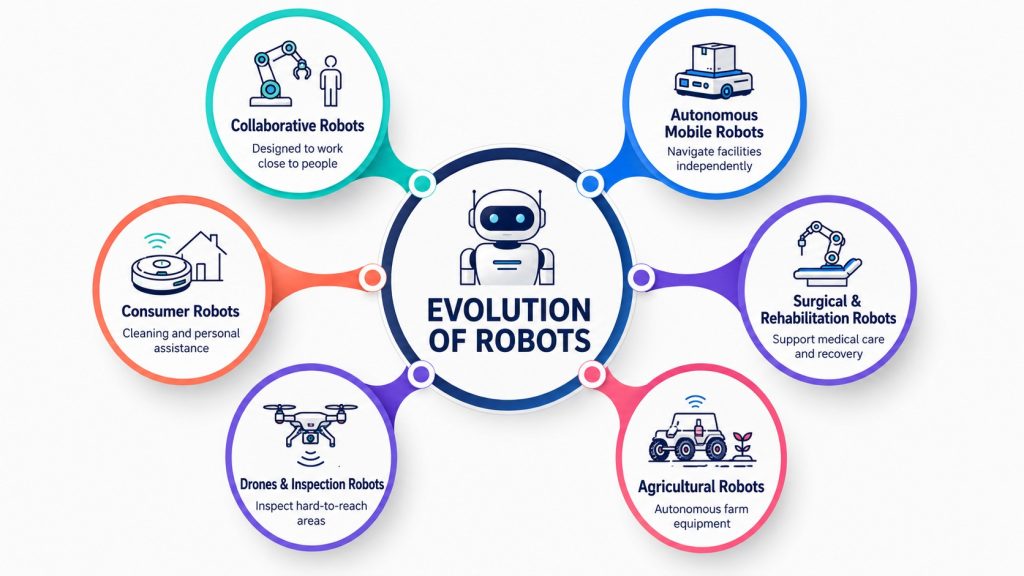
New categories emerged, including:
- Collaborative robots designed to work close to people
- Autonomous mobile robots that navigate facilities independently
- Surgical and rehabilitation robots
- Agricultural robots and autonomous farm equipment
- Drones and inspection robots
- Consumer robots for cleaning and personal assistance
- Humanoid robots designed for human-centered environments
Traditional robots followed carefully programmed instructions. Today’s intelligent robots can recognize objects, analyze changing conditions, learn from data, and select appropriate actions.
How Are AI and Robots Connected?
Artificial intelligence and robots are closely connected, but they are not the same. A robot is a physical machine that interacts with the real world. It may use motors, arms, wheels, cameras, grippers, and other components to move or perform tasks.
AI is the software intelligence that can help a robot perceive information, recognize patterns, make decisions, and learn from experience.
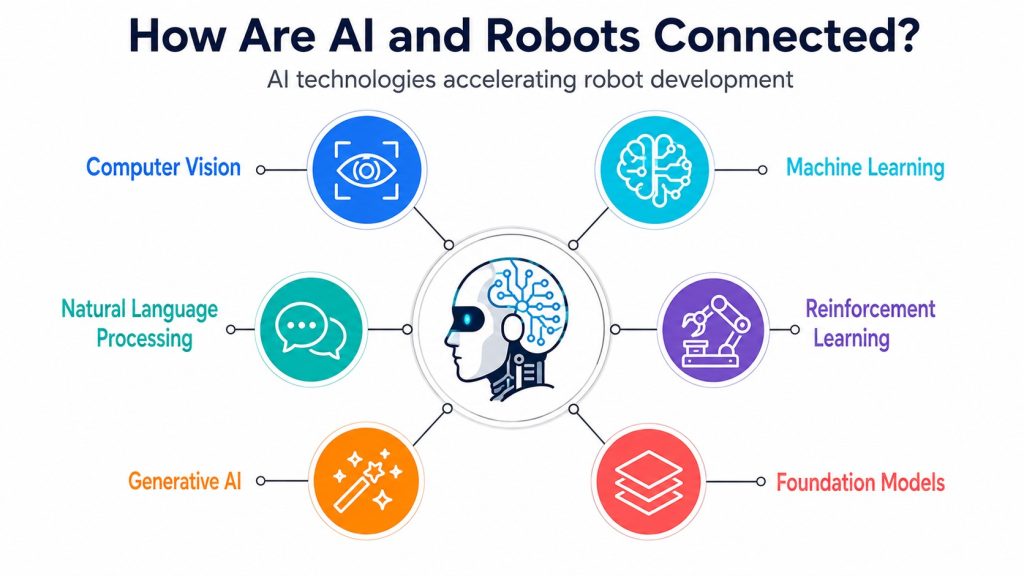
Several AI technologies are accelerating robot development:
- Computer Vision: Computer vision helps robots interpret images and video. It allows a robot to recognize products, inspect surfaces, locate obstacles, read labels, and identify people or equipment.
- Machine Learning: Machine learning allows robots to improve their performance by analyzing examples and operational data. Instead of manually programming every possible situation, developers can train a robot to recognize patterns and select suitable responses.
- Natural Language Processing: Natural language processing enables people to communicate with robots through spoken or written instructions. It may eventually allow workers to teach robots new tasks using everyday language instead of complex programming.
- Reinforcement Learning: With reinforcement learning, a robot learns by attempting actions and receiving feedback. Simulation environments allow developers to test thousands of scenarios without risking equipment, products, or human safety.
- Generative AI and Foundation Models: Robot foundation models are being developed to help machines understand instructions, objects, movements, and physical relationships. These systems could make it easier for robots to apply knowledge from one task to another.
Robots in Healthcare
Healthcare requires precision, consistency, and careful decision-making. Robots can support medical professionals in many areas without replacing their judgment or responsibility.
One of the best-known applications is robot-assisted surgery. A surgical robot translates a surgeon’s movements into precise actions using specialized instruments. The surgeon remains in control throughout the procedure. These systems can support minimally invasive techniques, especially when operating within small or difficult-to-reach areas.
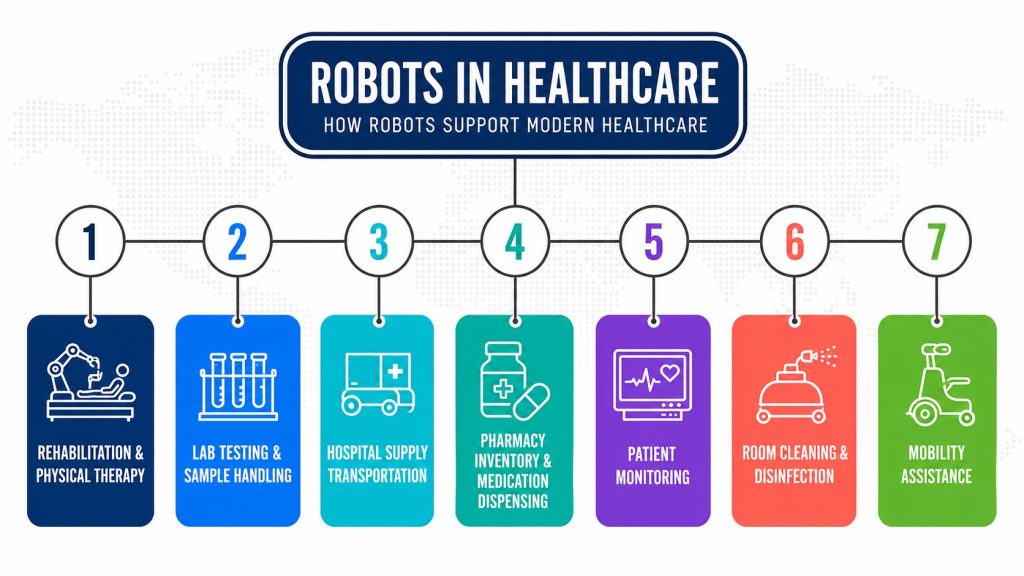
Robots are also being used for:
- Rehabilitation and physical therapy
- Laboratory testing and sample handling
- Hospital supply transportation
- Pharmacy inventory and medication dispensing
- Patient monitoring
- Room cleaning and disinfection
- Mobility assistance
Telepresence consultations
Autonomous mobile robots can transport supplies, linens, medications, and laboratory samples through hospitals. By handling routine transportation, they allow nurses and other employees to spend more time on patient-related responsibilities.
Rehabilitation robots can guide controlled movements and monitor a patient’s progress. Robotic exoskeletons may also assist certain patients during walking and mobility exercises.
Robots in Manufacturing
Manufacturing remains one of the largest and most established areas of robot adoption. Robots are valuable in factories because they can repeat precise movements, operate for extended periods, and handle tasks involving heat, sharp tools, chemicals, or heavy materials.
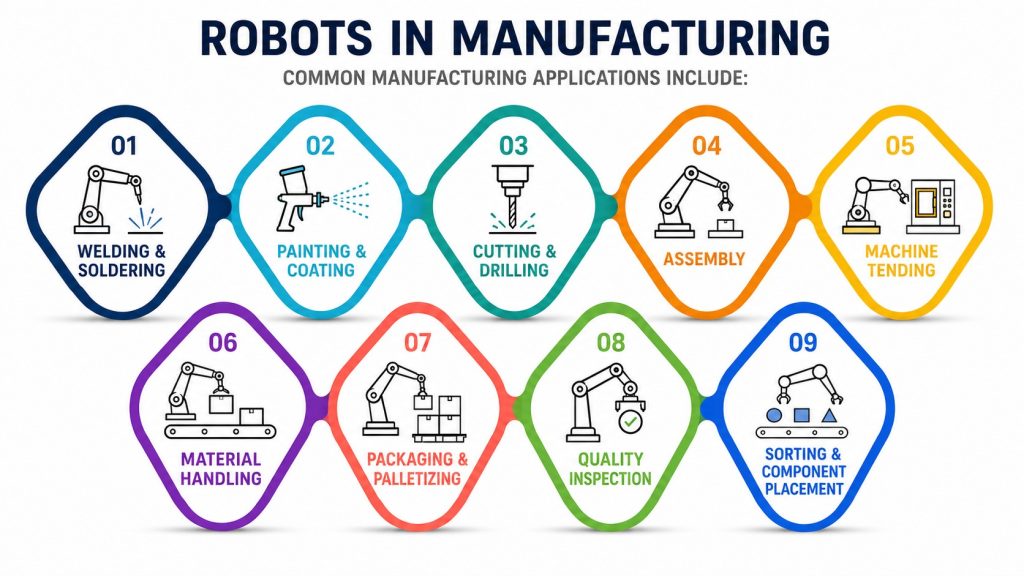
Common manufacturing applications include:
- Welding and soldering
- Painting and coating
- Cutting and drilling
- Assembly
- Machine tending
- Material handling
- Packaging and palletizing
- Quality inspection
- Sorting and component placement
Traditional industrial robots are highly effective when production is predictable and products are standardized. They can perform the same programmed movement accurately throughout an entire production shift.
AI-powered vision systems further improve manufacturing robots by helping them locate randomly positioned components and detect defects. Digital twins and simulations allow manufacturers to test production layouts and robot movements before making changes on the factory floor.
Robots in Food Industry
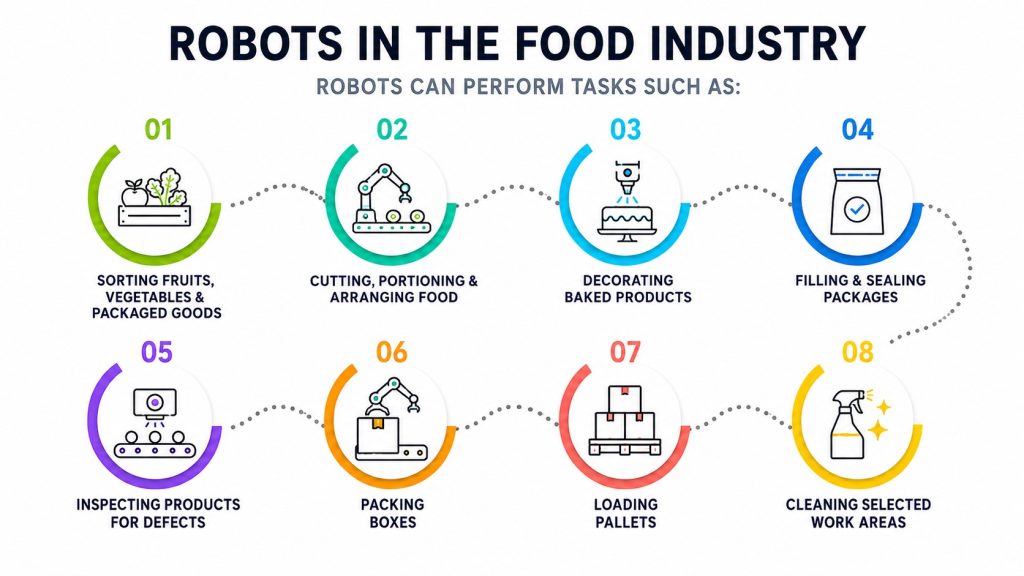
Food production presents difficult automation challenges because ingredients can vary in shape, size, texture, temperature, and consistency. Improvements in computer vision, sensors, and soft robotic grippers are helping robots handle these variations more effectively.
In food processing facilities, robots can perform tasks such as:
- Sorting fruits, vegetables, and packaged goods
- Cutting, portioning, and arranging food
- Decorating baked products
- Filling and sealing packages
- Inspecting products for defects
- Packing boxes
- Loading pallets
- Cleaning selected work areas
Modern robotic grippers can handle delicate products without crushing or damaging them. Vision systems help machines evaluate characteristics such as shape, color, size, and surface quality before sorting an item.
Robots can help food businesses maintain portion consistency, improve traceability, and reduce employees’ exposure to hot surfaces, sharp equipment, and repetitive strain. Nevertheless, businesses must still maintain food safety processes, sanitation standards, equipment inspections, and human supervision.
Robots in Agriculture
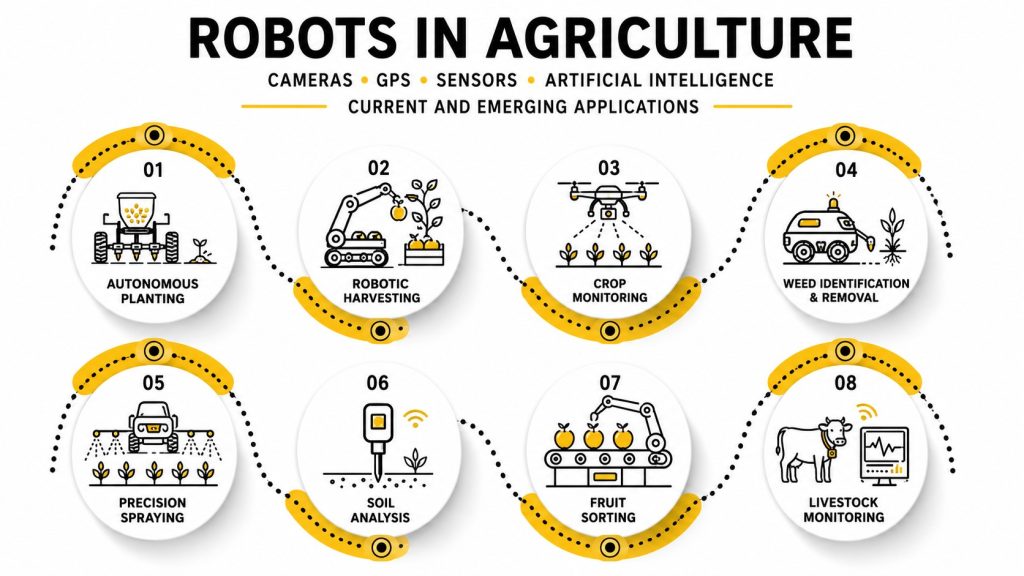
Agriculture is becoming more data-driven as farmers face labor shortages, changing weather patterns, rising operating costs, and pressure to use water and chemicals more carefully.
Agricultural robots can use cameras, GPS, sensors, and AI to inspect crops and perform targeted operations.
Current and emerging applications include:
- Autonomous planting
- Robotic harvesting
- Crop monitoring
- Weed identification and removal
- Precision spraying
- Soil analysis
- Fruit sorting
- Livestock monitoring
- Automated feeding and milking
- Drone-based field inspection
One major benefit of agricultural robots is precision. A vision-guided robot can identify an individual weed and apply treatment only where needed. This approach may reduce unnecessary chemical use compared with spraying an entire area uniformly.
Robots are unlikely to remove the need for farmers and agricultural specialists. Instead, they can help farmers manage larger areas, collect better information, and reduce the amount of physically demanding manual work.
Robots in Logistics & Warehouses
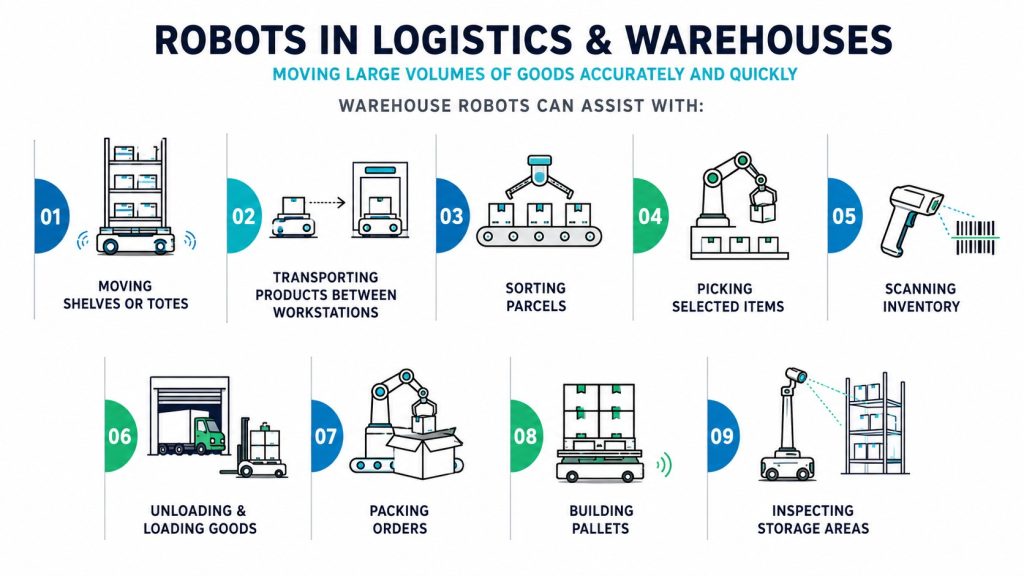
Modern logistics depends on moving large volumes of goods accurately and quickly. Warehouses therefore represent an ideal environment for robotics.
Earlier warehouse automation often relied on fixed tracks, conveyors, and predetermined routes. Autonomous mobile robots, or AMRs, offer greater flexibility. They use maps, cameras, sensors, and navigation software to travel through facilities and adjust their routes when conditions change.
Warehouse robots can assist with:
- Moving shelves or totes
- Transporting products between workstations
- Sorting parcels
- Picking selected items
- Scanning inventory
- Unloading and loading goods
- Packing orders
- Building pallets
- Inspecting storage areas
These systems can reduce the distance employees need to walk and the number of heavy items they must lift. People can then focus on product handling, exception management, quality control, and other responsibilities requiring greater judgment.
Robots also improve inventory visibility. Mobile systems equipped with cameras or scanners can inspect shelves and update inventory information. This helps businesses identify misplaced items, low stock, and discrepancies more quickly.
Leading Robot Companies
The rise of robots is being shaped by a diverse group of technology companies, industrial manufacturers, healthcare innovators, and specialized developers.
Some companies build complete robots, while others provide the processors, artificial intelligence, software, simulation tools, and automation platforms that make modern robots possible.
NVIDIA
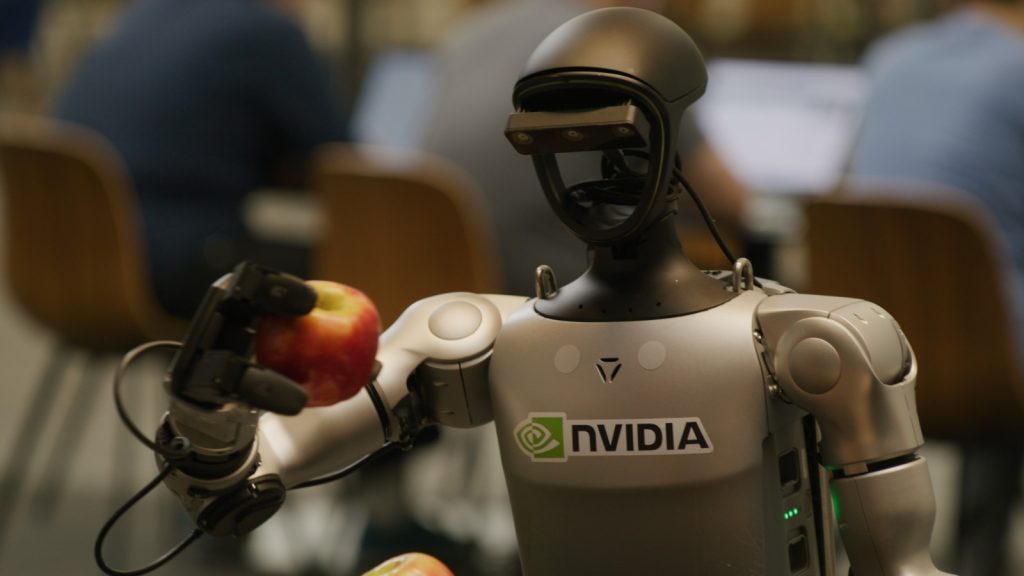
NVIDIA is a technology company best known for its graphics processing units, artificial intelligence systems, and accelerated computing platforms. Although NVIDIA does not primarily manufacture finished robots, it has become one of the most influential companies in the development of AI-powered robots.
- The company provides the computing infrastructure that helps robots interpret visual information, understand instructions, navigate environments, and make decisions.
- Its NVIDIA Isaac platform provides developers with tools for building, training, testing, and deploying various types of robots, including autonomous mobile robots, robotic arms, and humanoids.
- NVIDIA Isaac Sim allows developers to train and evaluate robots in physically based virtual environments before deploying them in the real world.
- This can reduce development time, improve safety, and help engineers test situations that may be difficult or expensive to recreate physically.
- The company is also advancing humanoid robots through NVIDIA Isaac GR00T, an open development platform for robot foundation models and data pipelines.
ABB Robotics
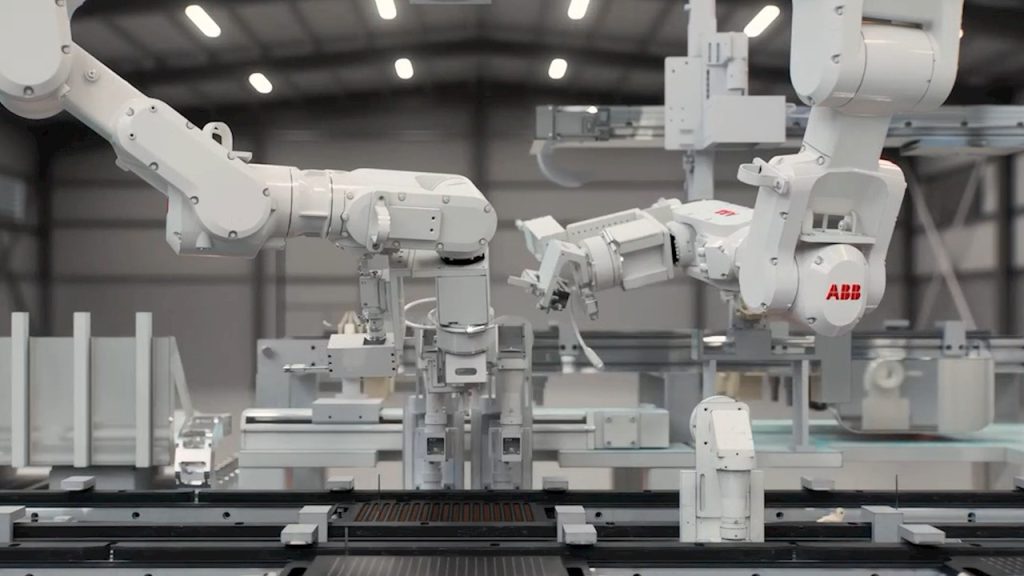
ABB is a global technology and engineering company with a long history in industrial automation. Its robotics division develops industrial robots, collaborative robots, autonomous mobile robots, machine automation systems, and supporting software.
- ABB robots are used for welding, assembly, painting, packaging, material handling, machine tending, inspection, and palletizing.
- They serve industries such as automotive manufacturing, electronics, metal fabrication, logistics, healthcare, and consumer goods.
- One reason ABB is considered a leading robot company is its ability to combine robots with complete automation systems.
- Instead of supplying only a robotic arm, the company can provide software, controllers, vision systems, safety systems, and digital tools to help manufacturers automate more of their operations.
FANUC
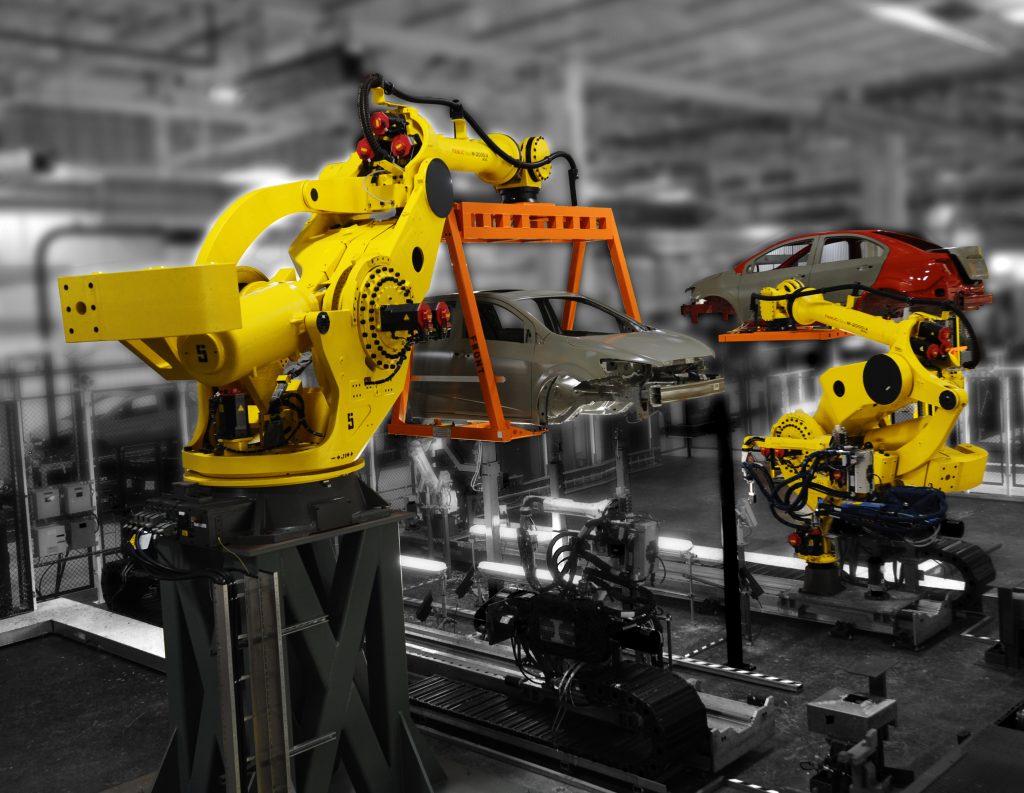
FANUC is one of the world’s most established manufacturers of industrial robots and factory automation systems. The company offers a broad range of robots designed for small, highly precise operations as well as demanding tasks involving large and heavy components.
- Its robots are commonly used for welding, assembly, painting, packaging, picking, palletizing, material handling, and machine operation.
- FANUC also develops collaborative robots that can assist employees with repetitive or physically demanding work.
- The company’s strength comes from its experience in high-volume manufacturing and its wide selection of robotic systems.
- FANUC robots can be integrated with vision systems, specialized tools, and automation software, allowing businesses to use them for precise and repeatable production processes.
Boston Dynamics
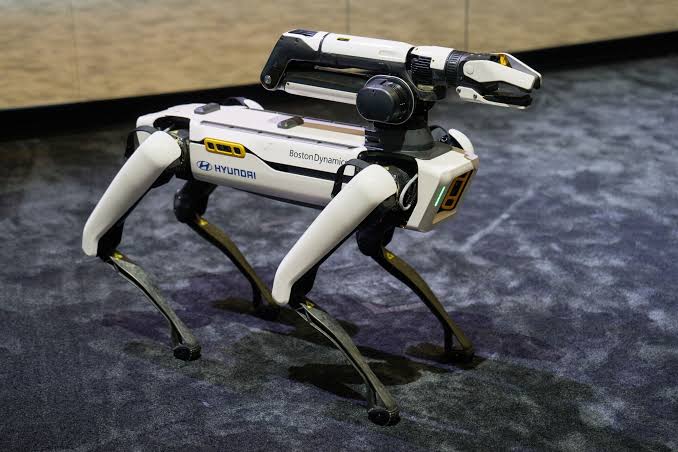
Boston Dynamics is known for developing highly mobile robots that can navigate complex spaces and move in ways that conventional industrial robots cannot.
- Its work has helped demonstrate how robots can operate outside fixed factory cells and handle environments designed for people.
- Spot, the company’s four-legged robot, can walk across uneven surfaces, climb stairs, collect data, and inspect areas that may be difficult or unsafe for employees to access.
- Organizations can use Spot to monitor industrial facilities, inspect infrastructure, detect equipment problems, and document site conditions.
- Boston Dynamics also developed Stretch for warehouse case handling. The company is considered a leader because of its expertise in robot mobility, balance, perception, and autonomous navigation.
Amazon Robotics
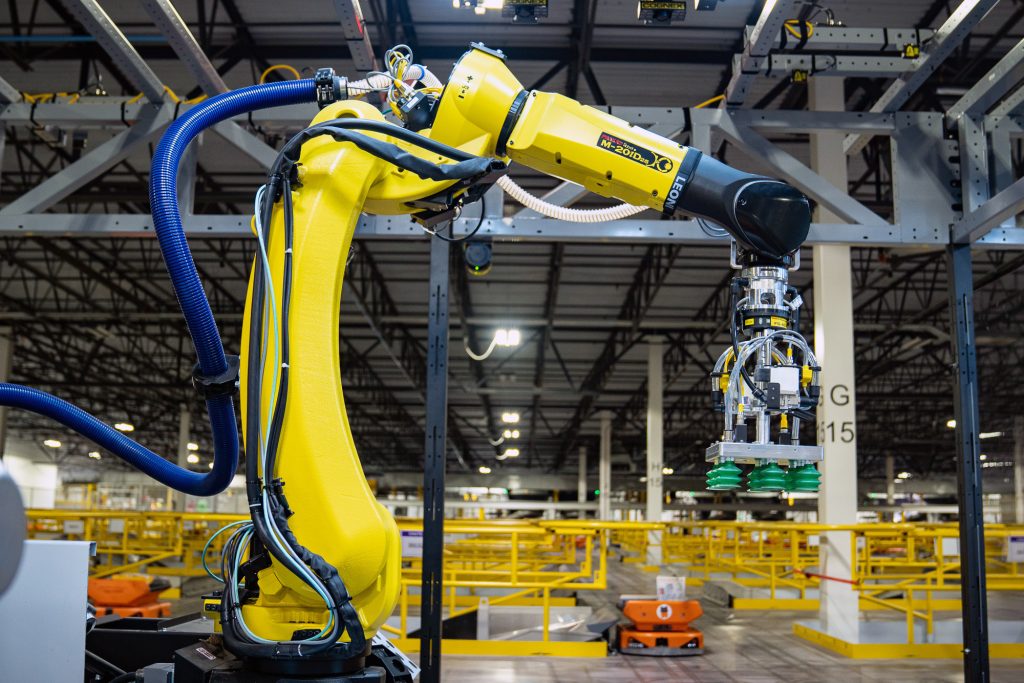
Amazon Robotics develops robots and automation systems for fulfillment centers and logistics operations. The company emerged from Amazon’s acquisition of Kiva Systems and has since become a major example of robots operating at a significant commercial scale.
- Its systems help transport inventory, organize storage, sort packages, and bring products closer to employees responsible for picking and packing orders.
- Amazon has also introduced robots designed to handle individual products, move heavier inventory, and support more automated fulfillment processes.
- Amazon Robotics is influential because it demonstrates how multiple robotic systems can work together within a large logistics network.
- Its technology is designed not only to increase processing speed but also to reduce unnecessary walking, lifting, and repetitive movement for fulfillment-center employees.
Tesla
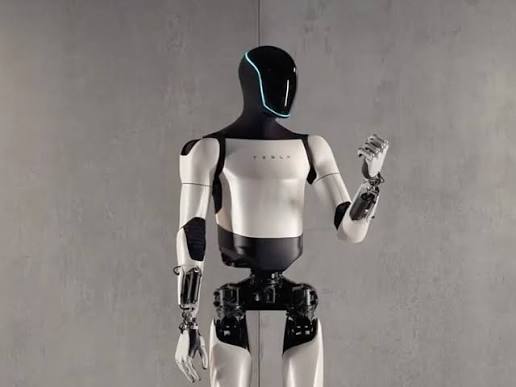
Tesla is an electric vehicle, energy, and artificial intelligence company that is also developing Optimus, a general-purpose humanoid robot. The project reflects the company’s effort to apply its experience in computer vision, AI, batteries, sensors, and manufacturing to physical automation.
- Optimus is being designed to perform repetitive, physically demanding, or potentially unsafe tasks.
- Its humanoid structure could eventually allow it to work in factories, warehouses, and other environments originally designed around human movement.
- Tesla’s robot is still evolving, but the project is significant because of the company’s manufacturing capabilities and experience developing AI systems that process real-world visual information.
- If Tesla succeeds in producing useful humanoid robots at scale, Optimus could help make this category of robots more commercially practical.
Will Robots Replace Human Jobs?
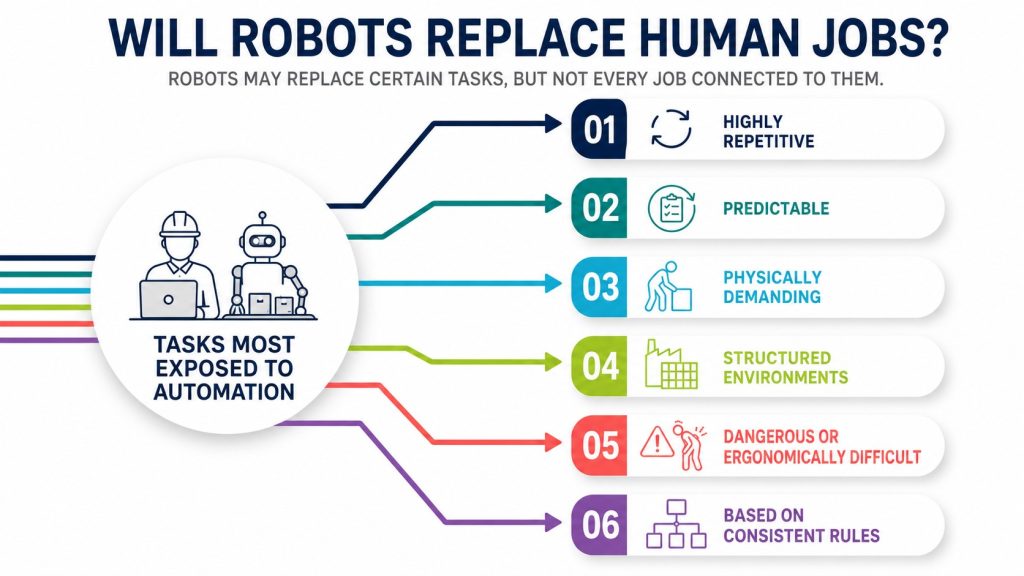
Robots will replace certain tasks, but that does not necessarily mean they will replace every job connected to those tasks.
Jobs are generally made up of multiple responsibilities. A robot might automate lifting boxes, applying welds, scanning inventory, or transporting hospital supplies. Humans may still be required to manage exceptions, communicate with customers, maintain equipment, make complex decisions, and oversee safety.
The positions most exposed to automation usually involve work that is:
- Highly repetitive
- Predictable
- Physically demanding
- Conducted in structured environments
- Dangerous or ergonomically difficult
- Based on consistent rules
At the same time, robot adoption creates demand for new capabilities. Organizations need robot technicians, automation engineers, system integrators, data specialists, safety professionals, maintenance teams, cybersecurity experts, and employees who can supervise automated workflows.
The effect will vary between industries and occupations. Some positions may decline, some will expand, and many will be redesigned around collaboration between people and machines.
Future of Robots
The next stage of robotics will involve machines that are more intelligent, flexible, connected, and easier to train. Several developments are likely to shape this future.
More Capable Collaborative Robots
Robots will become easier to program and may support a wider range of small and medium-sized businesses. Improved sensors and safety systems will help people and robots share workspaces more effectively.
Growth of Physical AI
AI models trained on visual, language, movement, and sensor data will help robots understand instructions and physical relationships. Instead of programming every movement, users may increasingly demonstrate a task or explain the desired outcome.
Better Simulation and Digital Twins
Developers will use realistic virtual environments to train robots, test unusual situations, and optimize operations. Simulation reduces the time, expense, and risk involved in experimenting with physical equipment.
Expansion of Autonomous Mobile Robots
AMRs will continue to grow beyond warehouses. They may become more common in hospitals, factories, airports, hotels, commercial buildings, and outdoor industrial sites.
Task-Focused Humanoid Robots
Humanoid robots receive significant attention because they can potentially navigate buildings, stairs, tools, and workstations designed for people. However, their early commercial use is likely to involve narrow, controlled tasks rather than completely general intelligence.
Robots as a Service
Robot-as-a-Service models may allow businesses to access automation through subscriptions or usage-based agreements. This could reduce initial investment barriers and make robotics more accessible to smaller organizations.
Stronger Safety and Governance
As robots become more autonomous, organizations will need clear standards covering safety, accountability, cybersecurity, privacy, and the responsible use of AI. Reliable human oversight will remain essential, especially in healthcare, transportation, and public environments.

Deepak Wadhwani has over 20 years experience in software/wireless technologies. He has worked with Fortune 500 companies including Intuit, ESRI, Qualcomm, Sprint, Verizon, Vodafone, Nortel, Microsoft and Oracle in over 60 countries. Deepak has worked on Internet marketing projects in San Diego, Los Angeles, Orange Country, Denver, Nashville, Kansas City, New York, San Francisco and Huntsville. Deepak has been a founder of technology Startups for one of the first Cityguides, yellow pages online and web based enterprise solutions. He is an internet marketing and technology expert & co-founder for a San Diego Internet marketing company.