


How Joby Aviation Is Building the Future of Urban Air Mobility

How Joby Aviation Is Building the Future of Urban Air Mobility

Table of Contents

Introduction

Joby Aviation is a California-based aerospace company developing a new class of transportation: the all-electric vertical takeoff and landing (eVTOL) air taxi. 

Founded in 2009 by JoeBen Bevirt, the company’s mission is to “save a billion people an hour a day” by shifting urban commuting from congested ground roads to the sky. As of April 2026, Joby is transitioning from nearly 15 years of prototyping and testing into an active operational phase. 

Latest 2026 Milestones

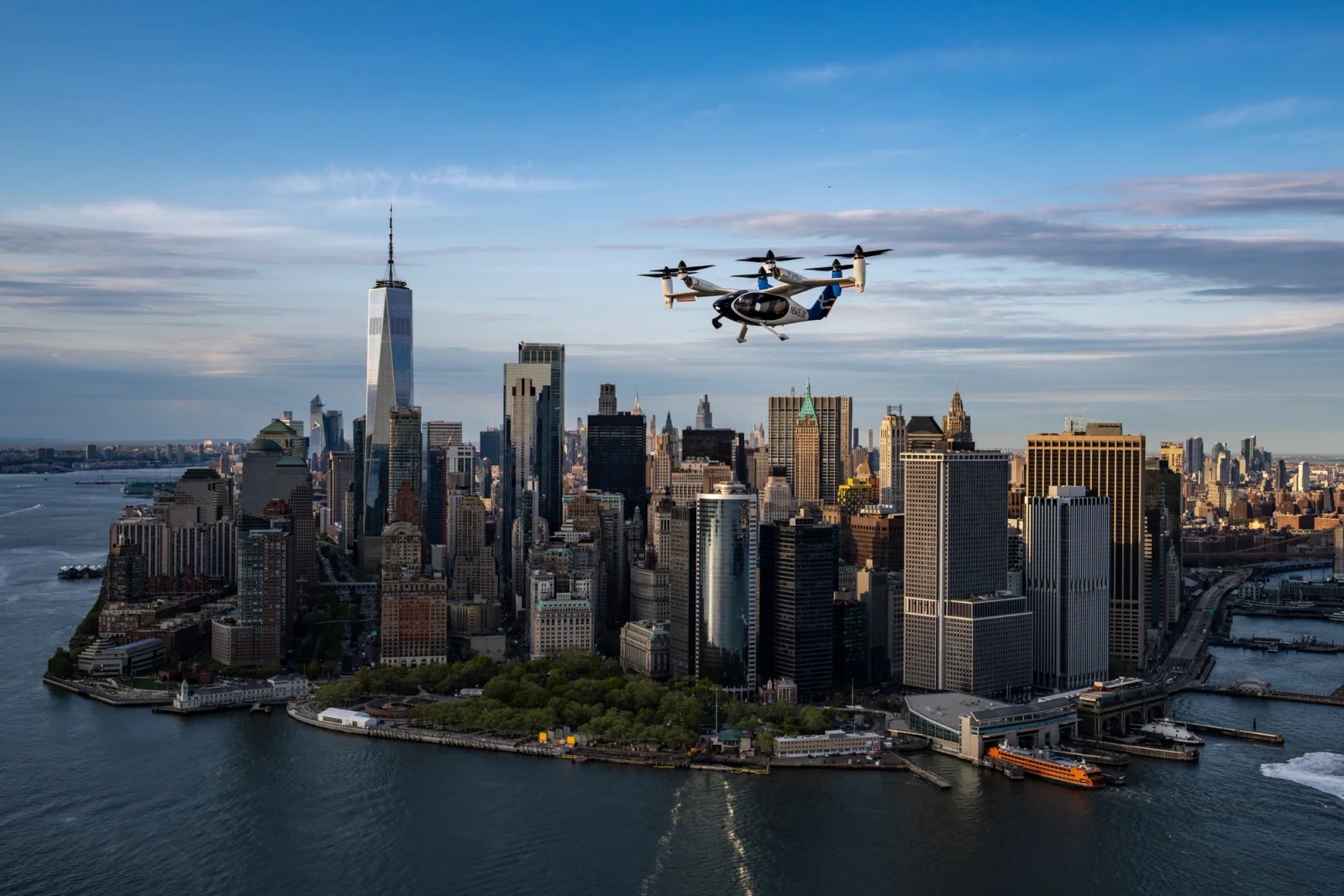
  • NYC Demo: Joby Aviation completed point-to-point eVTOL flights in New York City between John F. Kennedy International Airport and Manhattan heliports, proving urban airspace integration.
  • eIPP Approval: Selected for the Emerging Technology Innovative Partnership Program, enabling early 2026 operations across 10 U.S. states ahead of full Federal Aviation Administration certification.
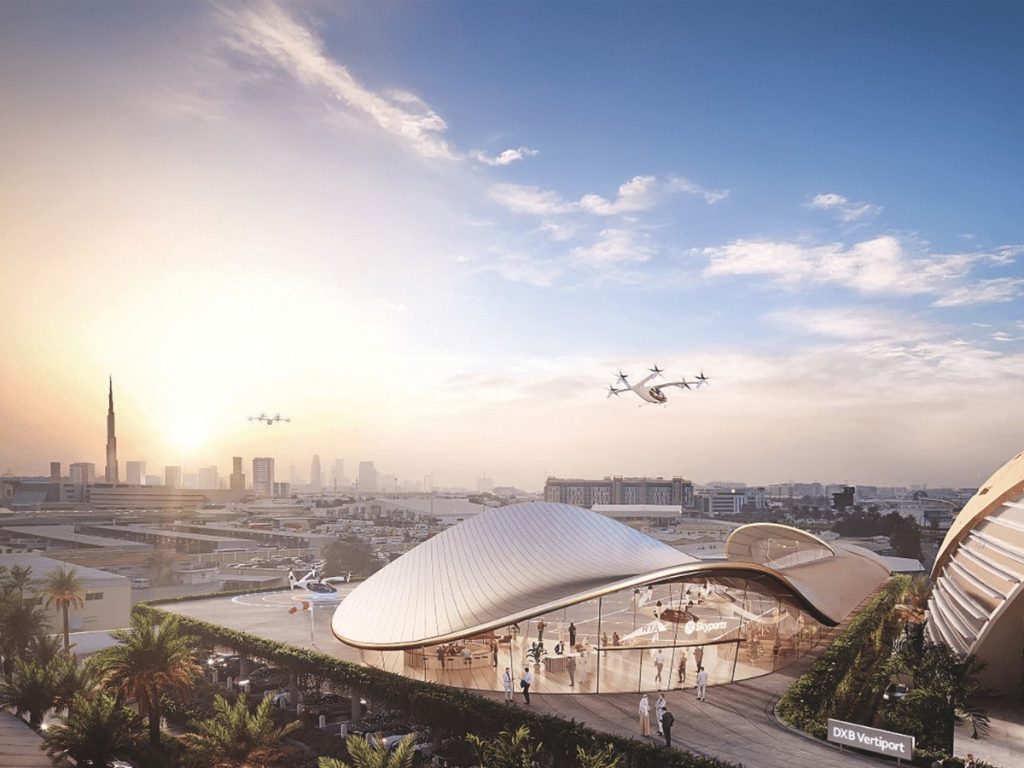
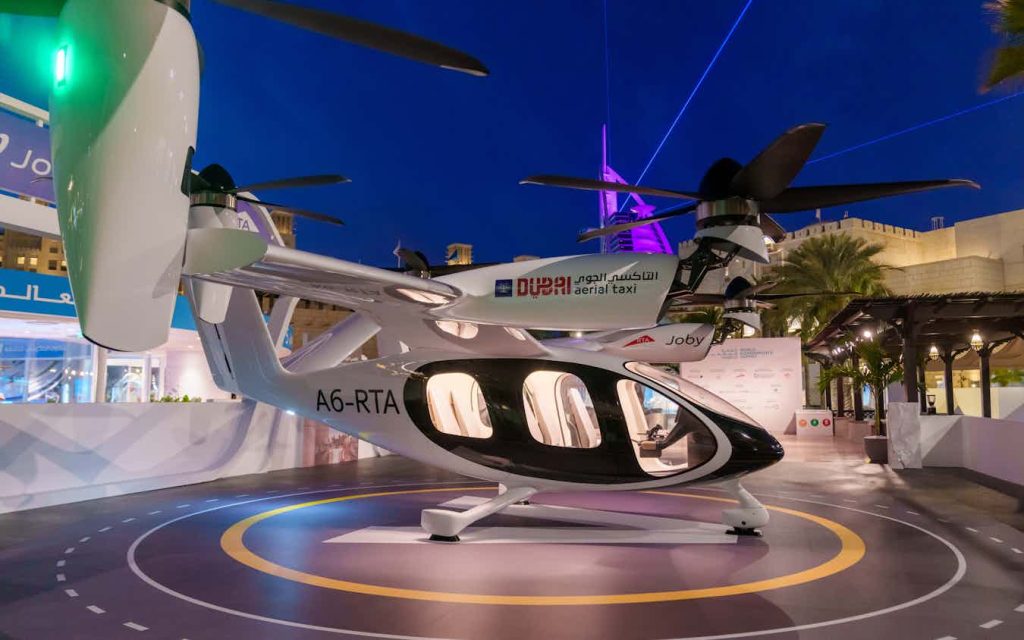
  • Dubai Launch: Commercial rollout planned in Dubai by late 2025/early 2026 under a six-year exclusive agreement.

Core Pillars

  • S4 Aircraft: 1 pilot + 4 passengers, up to 200 mph, 150-mile range, ultra-quiet for urban use.
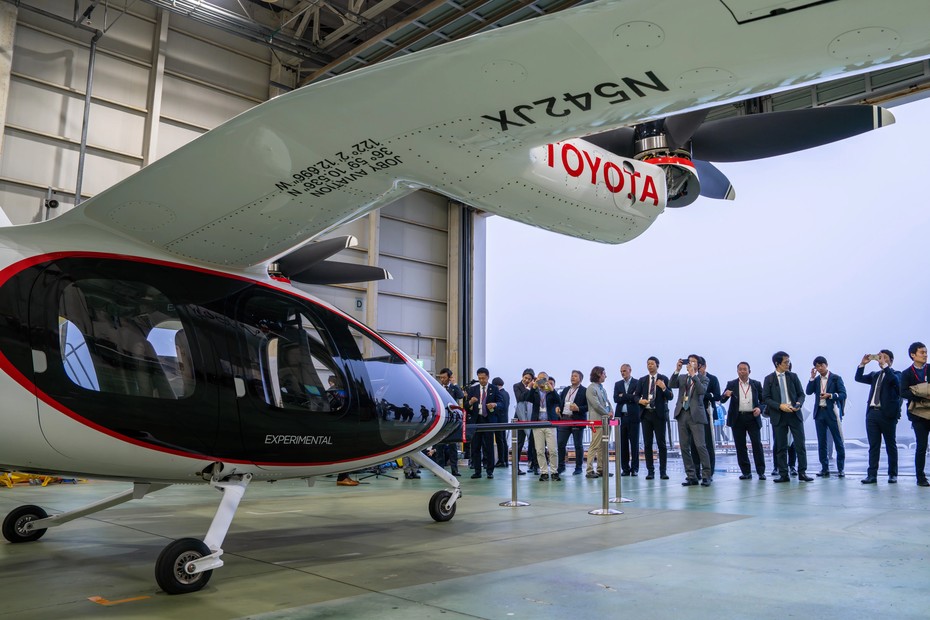
  • Vertical Integration: In-house motors, batteries, and software; scaled with Toyota investment (~$900M), targeting 500 aircraft/year by 2027.
  • Aerial Ridesharing: Operated by Joby, integrated via Uber (via Uber Elevate); pricing starts near Uber Black, aiming for mass-market parity.

What Is Urban Air Mobility

Urban Air Mobility UAM

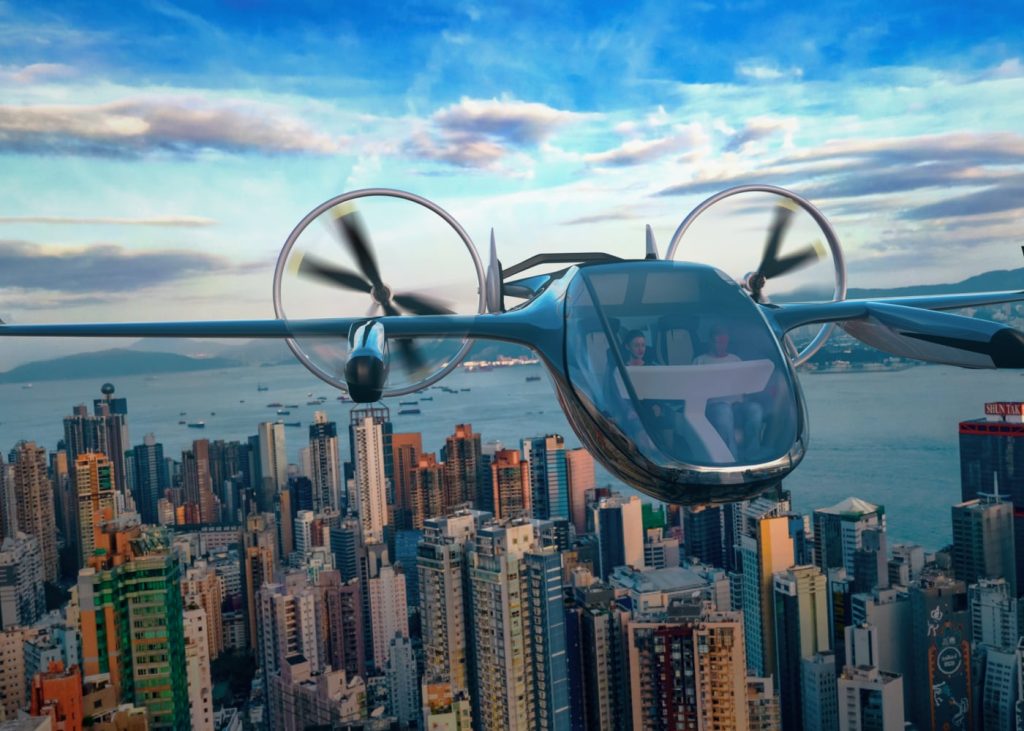
Urban air mobility (UAM) is an emerging field that seeks to revolutionize how people and goods move within cities.

  • UAM involves the use of aircraft, particularly eVTOLs, to transport people or cargo in urban environments. 
  • These aircraft can take off and land vertically, much like helicopters, but with the added benefits of being quieter, more energy-efficient, and easier to operate.
  • Why does Urban air mobility (UAM) matter? The answer lies in the challenges of urban congestion.
  • Cities around the world are facing growing populations and increasing traffic jams, leading to longer commute times, higher levels of pollution, and reduced quality of life. 

Urban air mobility offers a potential solution by providing fast, on-demand air transportation that can bypass ground-level traffic, reduce congestion, and lower emissions, making urban environments more livable and sustainable.

Joby Aviation’s Vision for the Future of Transportation

Joby Aviation’s Vision for the Future of Transportation

Joby Aviation isn’t just creating air taxis; the company is building a comprehensive urban air mobility ecosystem. 

  • Their mission is to provide affordable, efficient, and environmentally friendly transportation solutions for cities around the world. 
  • This vision goes beyond developing the aircraft themselves; it involves creating a seamless network of vertiports (urban takeoff and landing stations)
  • Integrating air traffic control systems and working with local governments to ensure that Urban air mobility (UAM) is not only possible but practical.
  • The long-term goal for Joby is to create a world where flying taxis are as commonplace as taking a ride-sharing service. 

Their commitment to this vision includes sustainability and safety, with an emphasis on reducing the carbon footprint of urban transportation and maintaining rigorous safety standards for both passengers and the environment.

Technology Behind Joby’s eVTOL Aircraft

Technology Behind Joby’s eVTOL Aircraft

Joby’s electric vertical take-off and landing (eVTOL) aircraft is at the heart of its urban air mobility solution. These aircraft are designed to provide vertical takeoff and landing capabilities, similar to helicopters but without the noise and high operating costs. 

Joby’s aircraft uses electric propulsion, significantly reducing emissions compared to traditional fossil fuel-powered aircraft. The technology behind Joby’s eVTOL is based on several key innovations:

  • Electric Propulsion: Unlike traditional helicopters that use gas-powered engines, Joby’s aircraft are fully electric, which makes them not only environmentally friendly but also more cost-effective to operate.
  • Low Noise Footprint: Joby’s design reduces noise, making it suitable for urban environments where noise pollution can be a significant issue.
  • Vertical Takeoff and Landing: eVTOL aircraft can take off and land vertically, which means they don’t require runways or large airport spaces. This allows them to operate in cities where space is limited.
  • Efficiency and Speed: With a top speed of around 200 mph and a range of up to 150 miles, Joby’s aircraft are designed to be a fast and efficient mode of transportation for urban environments.

Building the Infrastructure for Urban Air Mobility

Building the Infrastructure for Urban Air Mobility

For UAM to become a reality, it’s not just about the aircraft. Joby Aviation is also focused on building the necessary infrastructure to support these new vehicles. 

  • This includes vertiports, where passengers can board and disembark from air taxis. 
  • These vertiports will be strategically located in urban areas, providing easy access to air travel. 
  • Additionally, Joby is working on integrating its aircraft into existing air traffic management systems. 
  • This includes ensuring that UAM operations are safe and coordinated with other aircraft flying in and around cities. 

The company is also collaborating with local governments and businesses to create a network of vertiports that can facilitate seamless connections across cities.

Joby’s Business Model: Air Mobility as a Service

Joby’s Business Model Air Mobility as a Service

Joby’s approach to urban air mobility isn’t just about manufacturing eVTOL aircraft; it’s about creating an entirely new business model. 

  • The company plans to offer air mobility as a service (AMaaS), similar to the way ride-sharing platforms like Uber and Lyft have disrupted traditional taxi services.
  • Passengers will be able to book flights through a mobile app, with prices comparable to or even lower than traditional taxi services. 
  • By making air travel accessible and affordable, Joby aims to create a transportation network that complements existing systems like buses, trains, and cars, giving people a range of options for getting around cities.
  • Joby’s business model is designed to scale quickly, with plans to launch services in major cities worldwide. 
  • By offering a service-based model, Joby is positioning itself to be a key player in the growing urban air mobility market.

How Joby Aviation Could Transform Daily Life

Joby’s urban air mobility system has the potential to dramatically change the way we move around cities. Here’s how:

  • Faster Commutes: With the ability to bypass ground traffic, air taxis could significantly reduce commute times, making daily travel faster and more efficient.
  • Improved Quality of Life: By reducing congestion and pollution, Joby’s services could improve the overall quality of life in cities, making them more livable and sustainable.
  • Access to Remote Areas: Joby’s aircraft could provide access to areas that are difficult to reach by traditional transportation, such as underserved communities or remote locations.

In essence, Joby Aviation is not just building air taxis; it’s creating a new way of thinking about urban mobility.

The Future of Urban Air Mobility

The future of urban air mobility is bright, and Joby Aviation is leading the charge. As technology advances, infrastructure improves, and public acceptance grows, UAM will become an integral part of our daily lives. 

  • Joby’s aircraft, combined with its forward-thinking business model, has the potential to reshape transportation in cities around the world.
  • In the coming years, we can expect to see more cities embracing UAM, with increased competition among companies in the space. 
  • Joby Aviation is well-positioned to be a key player in this market, and its continued progress will be a crucial factor in determining the future of urban air mobility.

As urban air mobility evolves, it will not only change the way we get from point A to point B but also redefine the future of transportation itself.

Scroll to Top