Table of Contents
Introduction
A few years ago, achieving a high Google ranking was the primary means of increasing online visibility. That strategy seems inadequate today. A prospective buyer may find a brand via a TikTok search, evaluate options on YouTube, get suggestions from an AI assistant, and then visit a website. This change has subtly altered how internet marketing operates, encouraging companies to consider a more integrated search everywhere optimization across the platforms.
It is difficult for businesses that provide internet marketing services to overlook this development. Customers now want visibility wherever their audience searches, not just rankings.
The emphasis has shifted from discrete strategies to a cohesive approach that links search, content, and user experience, whether it is optimizing content for AI-driven queries or establishing authority across several channels.
Take a web development company in San Diego as an example. It’s no longer enough to rank for local keywords alone. The same brand needs to appear in local searches, show up in AI-generated answers, publish helpful content, and maintain a strong presence across platforms. That’s exactly where multi-platform search strategies come in, helping businesses stay visible, relevant, and competitive in a search landscape that keeps expanding.

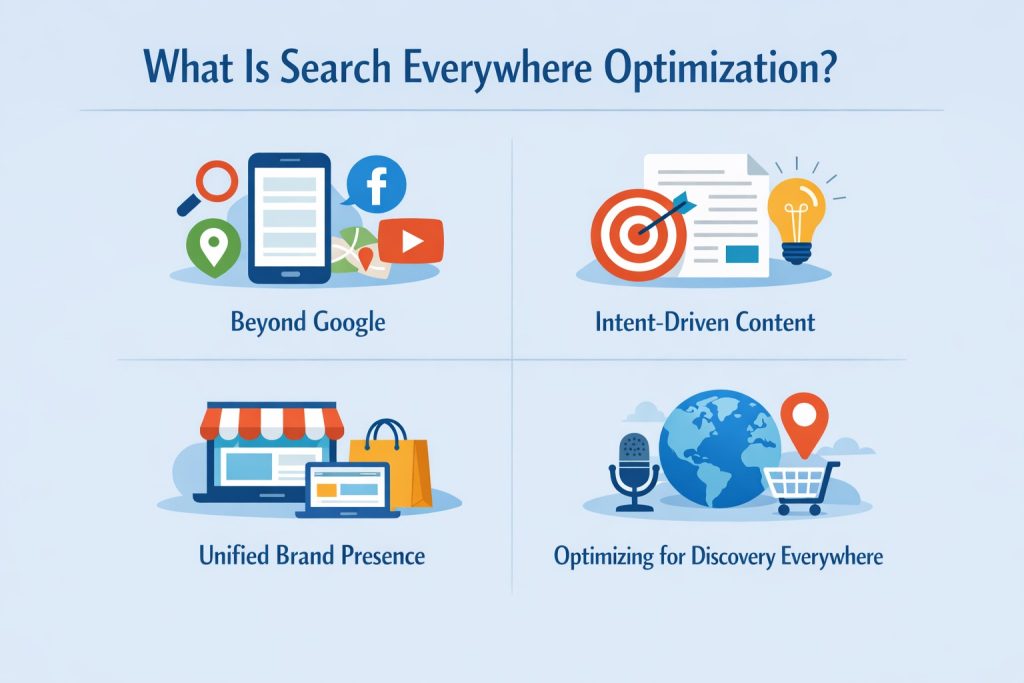
What Is Search Everywhere Optimization?
The next stage of SEO is called “Search Everywhere Optimization,” where the objective is to be visible on all search platforms in addition to ranking on Google. Voice assistants, social media, marketplaces, video platforms, and AI tools will all be used for search in 2026.
- Beyond Google: While search engines were the primary focus of traditional SEO, users now consider a variety of platforms before making a choice.
- Intent-Driven Content: Instead of relying solely on keywords, modern search is based on questions and intent. Users anticipate clear, concise responses.
- Unified Brand Presence: You should maintain consistency in your messaging, content, and visibility on all platforms. Over time, this fosters trust and recognition.
- Optimizing for Discovery Everywhere: The objective is straightforward: appear wherever your target audience is looking. This covers social media platforms, AI tools, search engines, and even specialized communities.
Making sure your brand is consistent across all of these touchpoints is the main goal of this strategy.
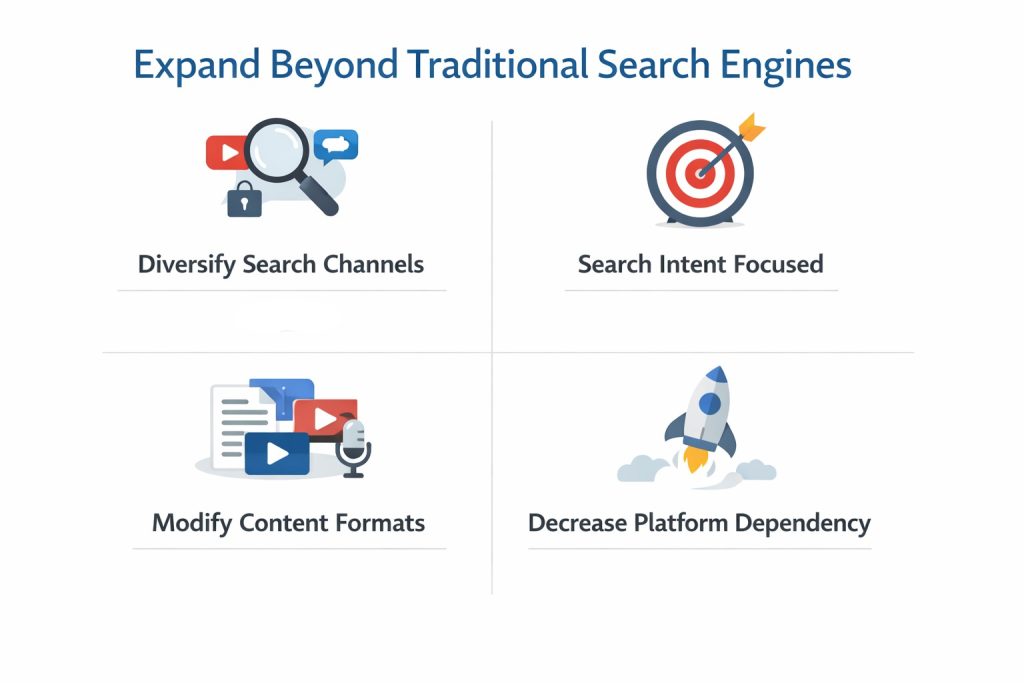
#1 Expand Beyond Traditional Search Engines
Search behavior in 2026 is no longer limited to typing queries into Google. Users now explore multiple platforms before making a decision, often starting on one channel and finishing on another.
- Diversify Search Channels: People actively search on sites like YouTube, Amazon, TikTok, and AI tools, each of which has a distinct function for them.
- Search Intent Focused: Every platform represents a distinct kind of user intent, ranging from transactional to informational. Knowing this enables you to produce content that is more pertinent.
- Modify Content Formats: Videos, brief posts, lengthy blogs, and product listings are just a few examples of the various content formats that are needed for various platforms.
- Decrease Platform Dependency: Dependence on a single platform can restrict expansion and leave your approach open to algorithmic modifications.
To stay competitive, your strategy needs to move beyond a single search engine and adapt to a broader ecosystem.
#2 Optimize for AI and Conversational Search
Instead of typing brief keywords, users are asking comprehensive questions in search, making it more conversational.
- Use Natural Language: When interacting with AI tools, users use conversational phrases and complete questions. The way people speak should be reflected in the content.
- Respond to Particular Questions: AI gives priority to content that directly addresses user inquiries without superfluous filler. Length is not as important as clarity.
- Clearly Organize Content: In AI search environments, content that is well-structured with headings, bullet points, and succinct sections performs better.
- Optimize for Featured Results: AI and search engines frequently extract data from highlighted sections and featured snippets. Your chances of being chosen are increased if you are succinct.
Since voice assistants and AI tools now provide direct responses, your content must be organized so that it is simple to comprehend and extract. The development of internet marketing strategies is being redefined by this change.
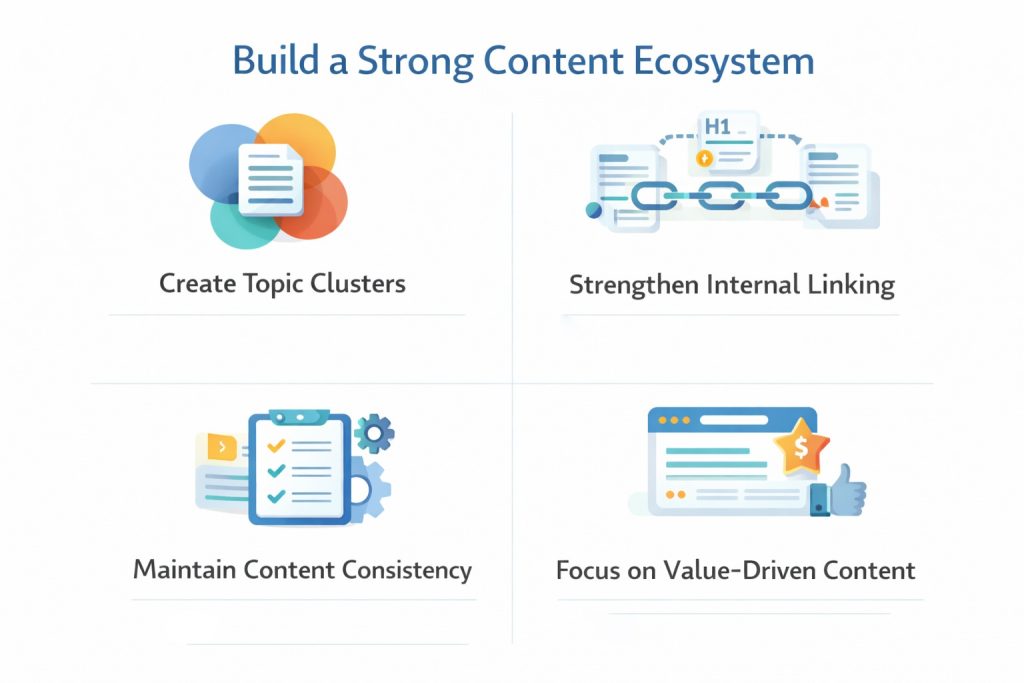
#3 Build a Strong Content Ecosystem
Content is not just about pages getting good rankings for specific keywords. Content is about making a system where every piece of content helps another piece of content. A strong ecosystem is good because it helps search engines and AI tools, and users understand that you are an authority on internet marketing.
- Create Topic Clusters: Rather than zeroing in on individual keywords, think bigger! Develop content around broader themes, linking related pages together for a more cohesive experience.
- Strengthen Internal Linking: Internal links are like signposts for both users and search engines, helping them navigate your site and discover your content more easily.
- Maintain Content Consistency: Regularly publishing content across your blogs, landing pages, and resources not only builds trust but also keeps your brand in the spotlight.
- Focus on Value-Driven Content: Aim for content that educates, solves problems, or offers valuable insights, rather than just chasing after keywords.
This makes your internet marketing strategy work better and last longer. Your internet marketing strategy is more effective and sustainable when you have an ecosystem.
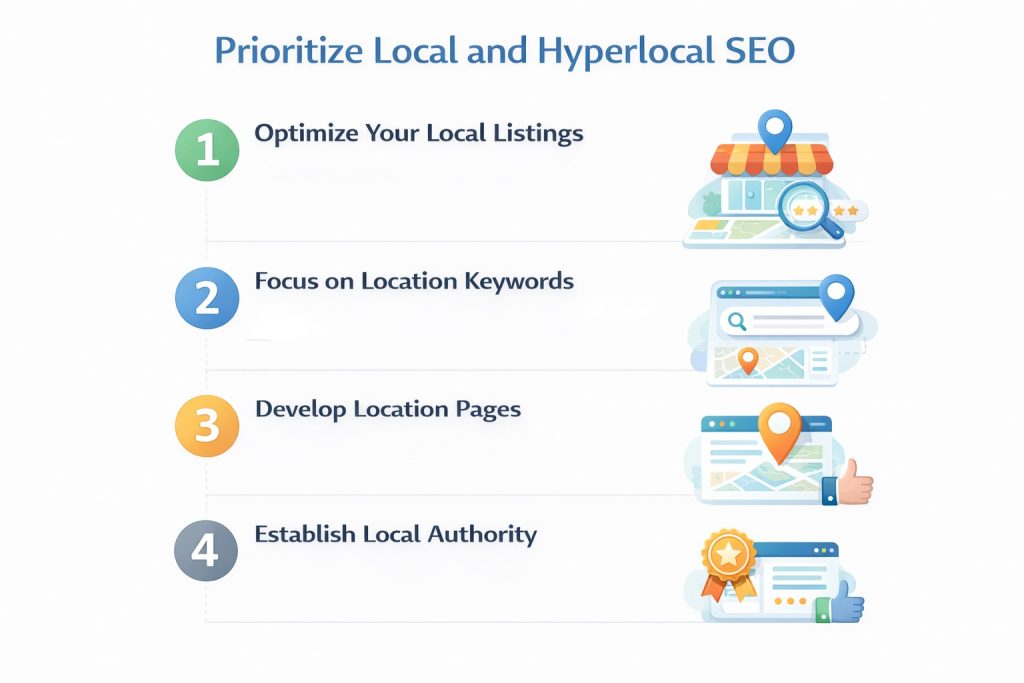
#4 Prioritize Local and Hyperlocal SEO
Local search is becoming increasingly important for how people discover services in 2026. Whether someone is looking for local businesses or seeking AI suggestions, having visibility based on location can significantly influence conversions.
- Optimize Your Local Listings: Make sure your Google Business Profile and local listings are up-to-date with accurate information, services, and eye-catching visuals.
- Focus on Location Keywords: Incorporating city and area-specific keywords can help you draw in users who are ready to make a purchase.
- Develop Location Pages: Creating dedicated pages for various cities or service areas can boost your chances of ranking well in multiple locations.
- Establish Local Authority: Gathering reviews, building local backlinks, and engaging with the community can enhance your visibility in local search results.
For service providers, establishing a strong local presence is crucial to enhance the effectiveness and focus of your online marketing strategy.
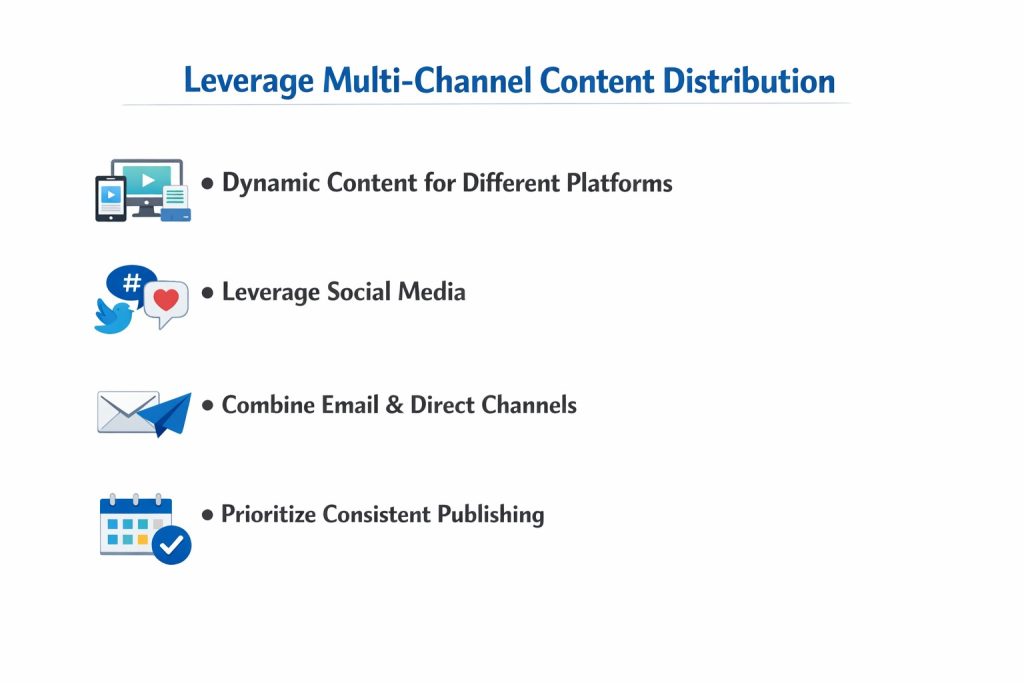
#5 Leverage Multi-Channel Content Distribution
Creating content is only half the job. In 2026, visibility depends heavily on how well you distribute that content across different platforms.
- Dynamic Content for Different Platforms: You can take one piece of content and turn it into various formats like blogs, videos, carousels, and quick posts.
- Leverage Social Media: Social platforms have become essential for discovering trends, reading reviews, and finding recommendations.
- Combine Email & Direct Channels: Email marketing is a great way to keep in touch with your audience and encourage them to engage with you again.
- Prioritize Consistent Publishing: Regularly posting across different channels ensures your brand stays visible and relevant in a competitive landscape.
A strong distribution strategy ensures your internet marketing efforts reach the right audience, at the right time, on the right channel.
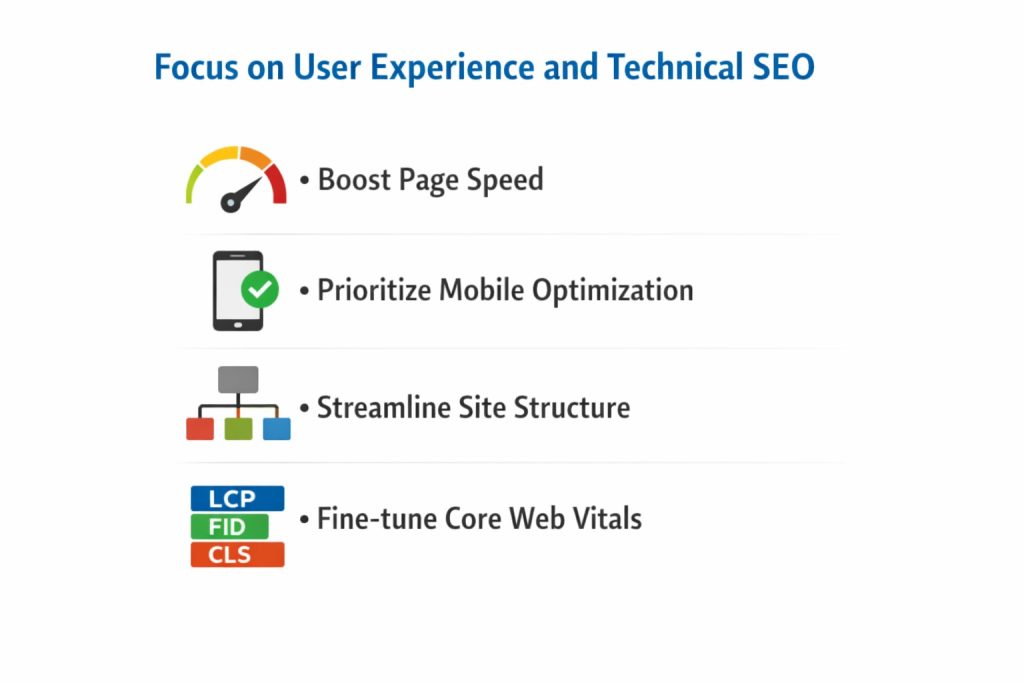
#6 Focus on User Experience and Technical SEO
No matter how great your content or distribution might be, it won’t make an impact if your website experience is lacking. By 2026, both search engines and AI tools will be favoring sites that are quick, user-friendly, and easy to navigate.
- Boost Page Speed: Nowadays, users want websites to load in a flash, and if your pages are slow, you risk losing visitors.
- Prioritize Mobile Optimization: With most searches happening on mobile devices, making sure your site is responsive is absolutely essential.
- Streamline Site Structure: Having clear navigation allows users to find what they need quickly and also helps search engines index your site more effectively.
- Fine-tune Core Web Vitals: Key metrics like loading speed, interactivity, and visual stability play a crucial role in how well your site performs in search results.
A strong foundation in technical SEO is essential for boosting every aspect of your online marketing strategy.
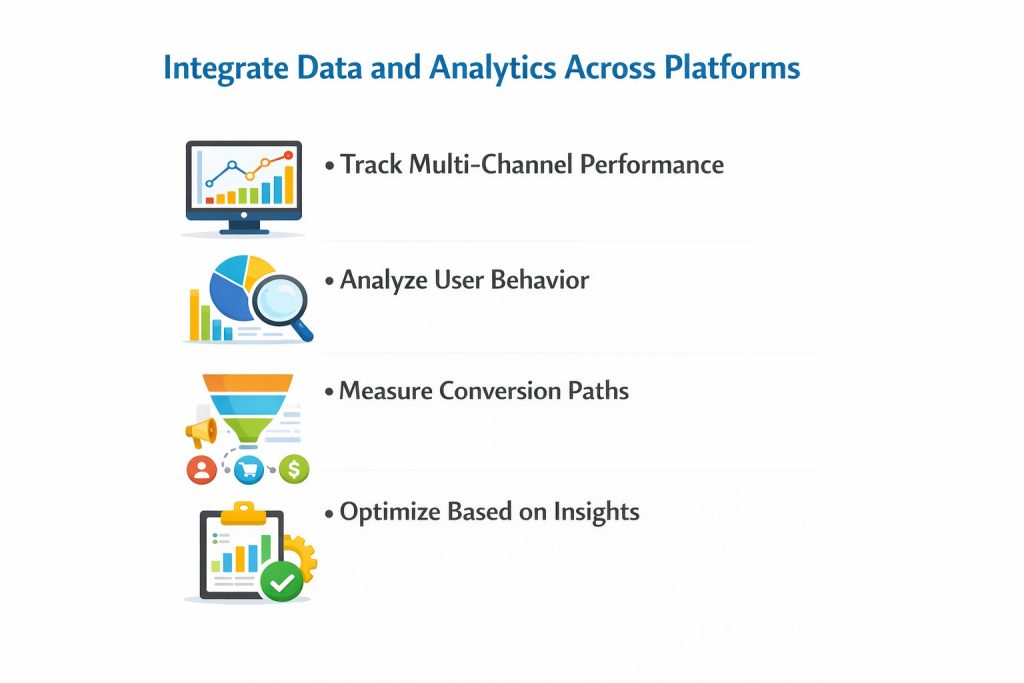
#7 Integrate Data and Analytics Across Platforms
In a multi-platform search environment, decisions should be driven by data, not assumptions. Tracking performance across different channels helps you understand what’s working, what’s not, and where to focus next.
- Track Multi-Channel Performance: Your audience engages with your brand on various platforms before making a purchase. It’s essential to have a clear view of every interaction.
- Analyze User Behavior: Gaining insights into how users move through your website can help pinpoint areas for improvement and new opportunities.
- Measure Conversion Paths: Conversions seldom occur in just one step. Users typically engage with several pieces of content before they decide to act.
- Optimize Based on Insights: Let data drive your ongoing strategy enhancements. Even minor tweaks can lead to impressive results over time.
A data-driven approach strengthens your overall internet marketing strategy and improves ROI.
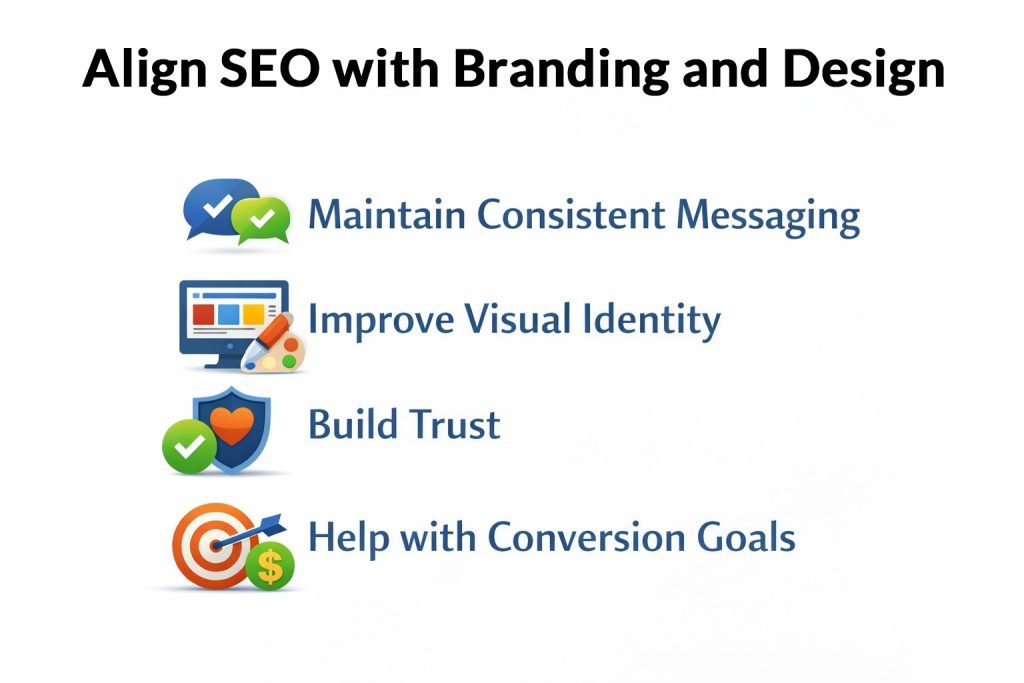
#8 Align SEO with Branding and Design
Just having good search visibility isn’t enough anymore. By 2026, users will be looking for a seamless and professional brand experience at every interaction.
- Maintain Consistent Messaging: Your tone, value proposition, and way of talking should be the same on all platforms.
- Improve Visual Identity: The colors, fonts, and layout of your website all have a big impact on how people see your brand.
- Build Trust: When users see a strong brand, they are more likely to trust your services and products.
- Help with Conversion Goals: Good design helps people do what you want them to do, like fill out a form or buy something.
When SEO works hand in hand with branding and design, it not only draws in visitors but also fosters trust and boosts conversions. This synergy is essential for a robust internet marketing strategy.
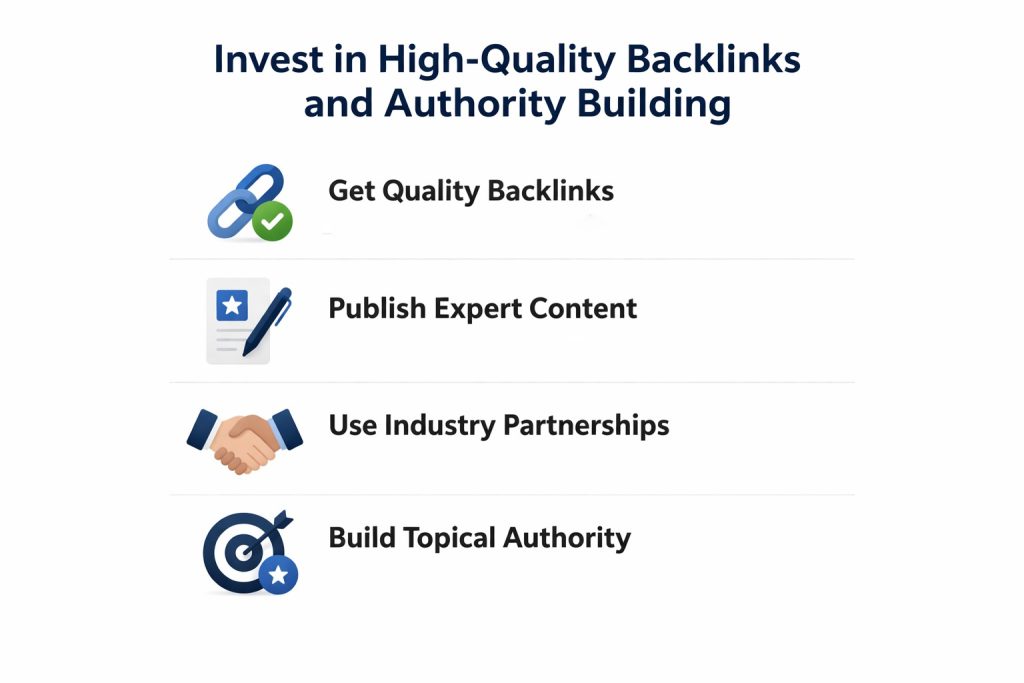
#9 Invest in High-Quality Backlinks and Authority Building
It’s important to be visible on all platforms, but having authority is what sets you apart and keeps you at the top. When giving results in 2026, search engines and AI tools put trusted sources first.
- Get Quality Backlinks: Search engines see backlinks from trusted websites as a sign of trust and relevance.
- Publish Expert Content: Content that shows you know what you’re talking about draws in both users and search engines. It makes your brand look like a trustworthy source.
- Use Industry Partnerships: Working with other brands, blogs, or platforms can help you reach more people and build your credibility.
- Build Topical Authority: Writing about the same topics over and over again helps you become an expert over time.
Your overall internet marketing strategy gets stronger when you build authority through backlinks and content that is credible.
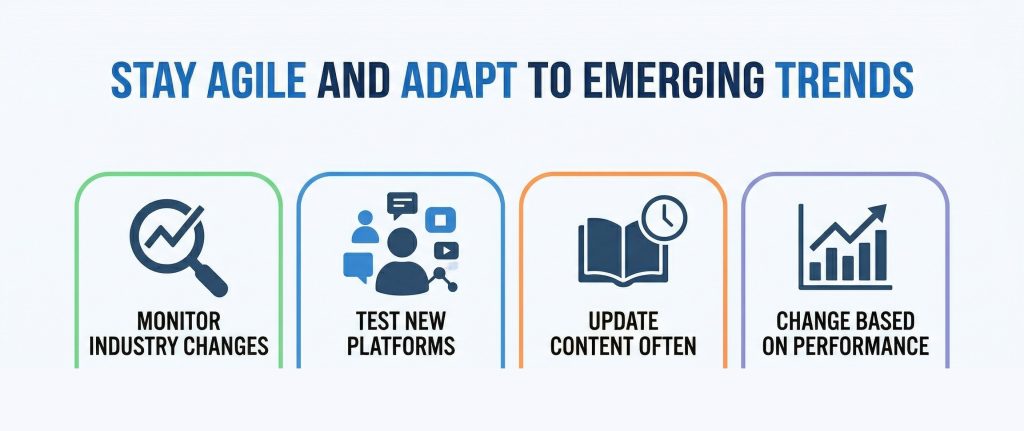
#10 Stay Agile and Adapt to Emerging Trends
Search is changing faster than ever, with new platforms, algorithms, and ways of using them appearing all the time. What works today might not work tomorrow.
- Monitor Industry Changes: Search engines, AI tools, and social media sites often change how they rank and show content.
- Test New Platforms: New formats and platforms give you new ways to reach your audience before the competition gets tougher.
- Update Content Often: Keeping content up to date helps keep rankings and makes sure that information is still useful to users.
- Change Based on Performance: Long-term success depends on constant improvement. Every change you make should be based on data.
To keep your internet marketing plan working and competitive, you need to be adaptable and proactive.
Conclusion
Building a Search Everywhere Optimization strategy is no longer optional; it’s how modern visibility works. Users are searching across AI tools, social platforms, video content, and traditional search engines, all within the same journey.
A strong internet marketing approach ensures your brand shows up consistently across these touchpoints, helping you stay relevant and easy to find.
For businesses offering an internet marketing service, the focus has shifted from rankings alone to overall presence and experience. From optimizing for conversational search to improving user experience and building authority, every element works together. Whether you’re targeting a broad audience or positioning a web development company in San Diego, the key is to stay connected across platforms and align your strategy with how people actually search today.
In the end, success comes down to consistency and adaptability. A well-executed internet marketing strategy that integrates content, SEO, design, and data will not only drive traffic but also build trust and long-term growth. The brands that embrace this shift early are the ones that will continue to stand out as search keeps evolving.
Deepak Wadhwani has over 20 years experience in software/wireless technologies. He has worked with Fortune 500 companies including Intuit, ESRI, Qualcomm, Sprint, Verizon, Vodafone, Nortel, Microsoft and Oracle in over 60 countries. Deepak has worked on Internet marketing projects in San Diego, Los Angeles, Orange Country, Denver, Nashville, Kansas City, New York, San Francisco and Huntsville. Deepak has been a founder of technology Startups for one of the first Cityguides, yellow pages online and web based enterprise solutions. He is an internet marketing and technology expert & co-founder for a San Diego Internet marketing company.