

NVIDIA GTC 2026: Key Highlights

NVIDIA GTC 2026: Key Highlights and What It Means for AI, Enterprise, and Technology

Table of Contents

Every year, the NVIDIA GTC 2026 (GPU Technology Conference) brings a slate of major announcements that signal where computing, artificial intelligence, and enterprise technology are headed. In March 2026, GTC returned to San Jose, California with thousands of developers, business leaders, and innovators attending in person and online and the news this year was substantial.

The event highlighted next‑generation AI infrastructure, new hardware platforms, advances in graphics and AI rendering, and bold predictions about the future of AI deployment. (NVIDIA)

In this post, we’ll unpack the biggest reveals from NVIDIA GTC 2026 , explore the business and technology implications, and explain why these developments matter for companies investing in AI, automation, and digital transformation.

A Vision for the Full AI Stack

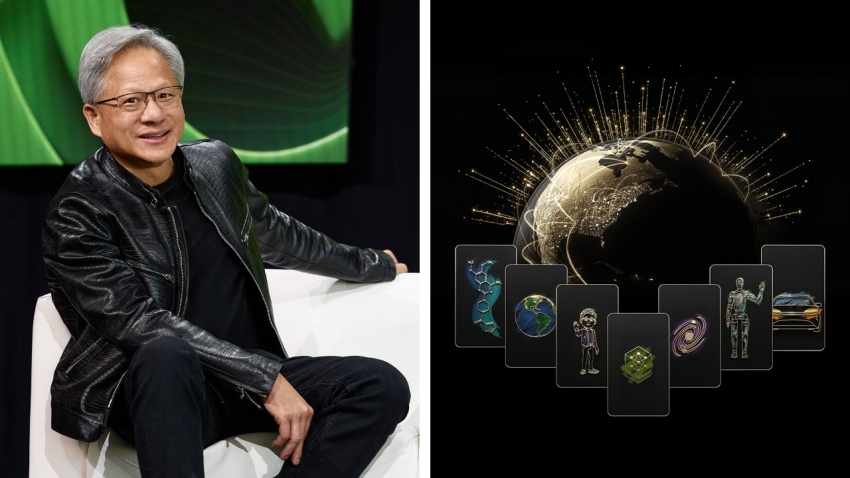
gtc26-agentic-ai-jhh-open-models-panel
Source Credit: NVIDIA gtc26-agentic-ai-jhh-open-models-panel

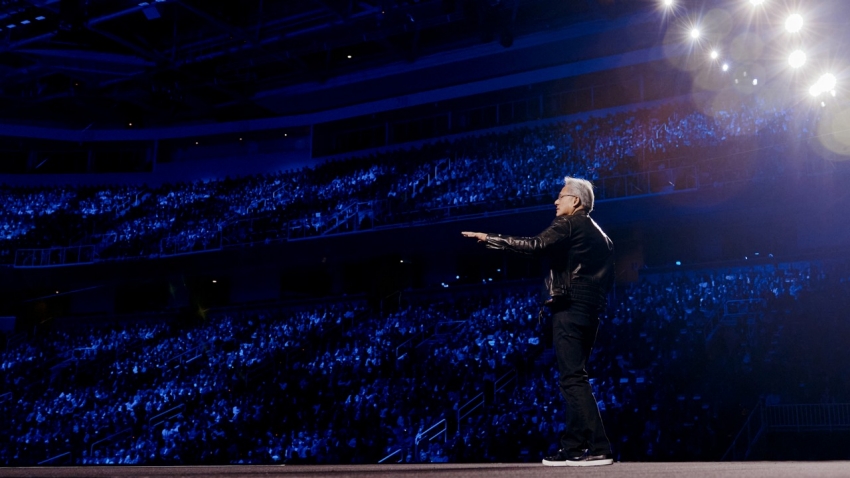
At the heart of NVIDIA GTC 2026 is the keynote from NVIDIA’s CEO, Jensen Huang, and this year’s address reinforced something important: NVIDIA is positioning itself not just as a chipmaker, but as the backbone of the full AI ecosystem from infrastructure and chips to software, models, and AI applications. (eWeek)
While NVIDIA has long dominated the hardware side of the AI boom through its GPUs, GTC 2026 made it clear the company wants to support every layer of the AI pipeline:

  • Compute hardware for training and inference
  • Software and frameworks for deploying models
  • Developer tools and libraries
  • Platforms for real‑time AI agents
    This shift reflects the broader industry trend: businesses aren’t just building models they’re embedding AI deeply into workflows and products. And that requires an entire ecosystem, not just raw processing power.

A Trillion‑Dollar AI Opportunity

One of the most headline‑grabbing moments at NVIDIA GTC 2026 was Jensen Huang’s projection that NVIDIA could generate $1 trillion in revenue from AI chip and infrastructure sales by 2027. That forecast was based on soaring demand for AI compute not just for training large models, but increasingly for inference, which is the real‑world execution of models in applications. (mint)
Here’s why this matters:

  • Inference is where AI delivers value: Training builds the model, but inference is where AI generates outputs for users from chatbots to automation agents to real‑time predictions.
  • Enterprise AI is scaling fast: Customers across sectors from ecommerce to manufacturing and healthcare are now deploying AI at scale, driving demand for inference‑optimized systems.
  • Hardware is just part of the ecosystem: NVIDIA’s revenue potential includes chips, software platforms, libraries, and developer tools.
    For businesses evaluating AI investments, this projection underscores that AI isn’t a niche tech trend it’s becoming a core part of enterprise infrastructure.

Vera Rubin: The Next Generation of AI Compute

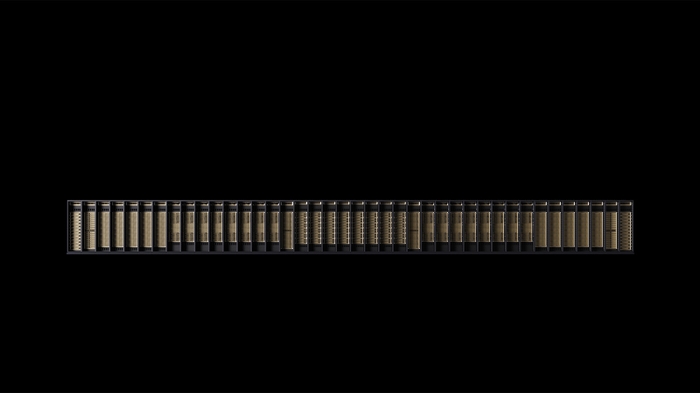
nvidia-vera-rubin-family_mid
Source Credit: nvidia-vera-rubin-family_mid

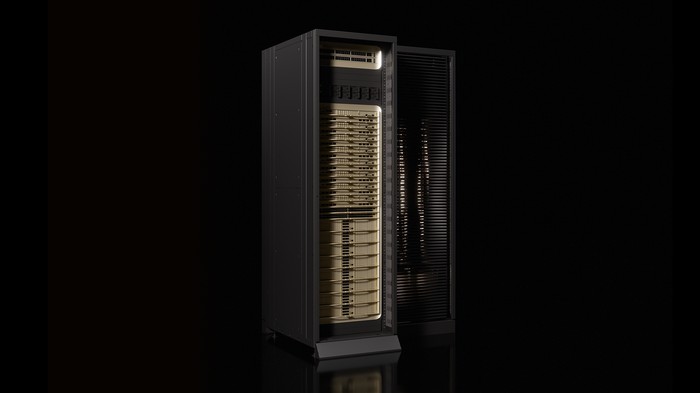
A centerpiece of NVIDIA GTC 2026 was Vera Rubin platform, the latest evolution of its AI hardware roadmap. This platform blends advanced GPU and CPU architectures with new processing units designed specifically for modern AI tasks. (TrendForce)
Key elements include:

  • Vera CPU architecture: Built to handle general‑purpose computing alongside AI workloads.
    Groq 3 LPU integration: A dedicated unit optimized for high‑speed inference, which NVIDIA acquired through Groq and is shipping later in 2026.
  • Expanded memory and bandwidth: Leveraging next‑generation high‑bandwidth memory (HBM4) to feed AI pipelines more efficiently.
  • Rack‑scale AI systems: NVIDIA is selling integrated AI systems that combine compute, storage, and networking to simplify enterprise deployments.
  • It’s worth noting that NVIDIA’s partners including Samsung and Micron are now part of this broader hardware strategy, specifically through supplying cutting‑edge memory components that improve data throughput and performance. (TrendForce)
    What all this adds up to is a hardware platform designed not just for peak performance, but for real‑world AI workloads where latency, cost, and scalability matter.

AI Agents and the Rise of Agentic AI

amazon-featured NVIDIA
Source Credit: amazon-featured NVIDIA

Another standout theme at NVIDIA GTC 2026 was agentic AI systems that don’t just respond to prompts, but actively perform tasks, gather data, and make decisions.
NVIDIA spotlighted the open‑source project OpenClaw and its own version called NemoClaw, which adds security features and network controls for enterprise use. (Business Insider)
AI agents are poised to transform workflows by:

  • Automating research and documentation
  • Managing scheduling and workflows
  • Interacting with systems on behalf of users

For companies, agentic AI represents an opportunity to improve productivity dramatically especially in areas like knowledge work, customer support, and operational automation. 

AI in Graphics: DLSS 5 and Neural Rendering

While much of the NVIDIA GTC 2026 attention focuses on “enterprise AI,” there was also exciting news on the graphics side, which matters for gaming, visualization, and real‑time simulation.
NVIDIA officially announced DLSS 5, the next generation of its AI‑driven graphics enhancement technology. Unlike previous versions, which focused on upscaling lower‑resolution images, DLSS 5 uses neural rendering to add realistic lighting and material detail in real time. (The Verge)
Highlights of DLSS 5:

  • Real‑time scene enhancement with AI
  • Support for major upcoming titles
  • Tools for developers to control artistic intent

This breakthrough signals how AI continues influencing not just software and enterprise tech, but also user experience and visual computing. 

AI in Robotics, Healthcare, and Physical Systems

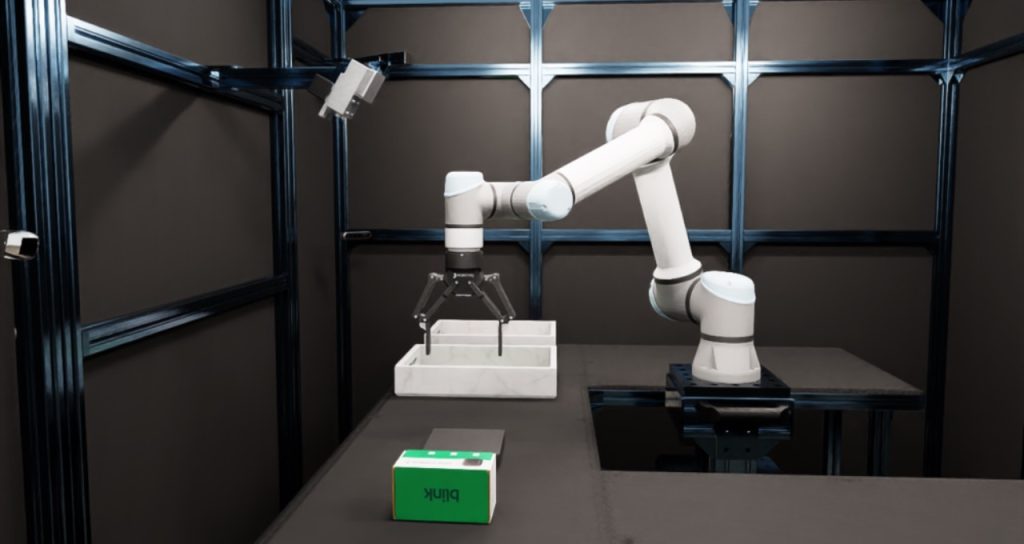
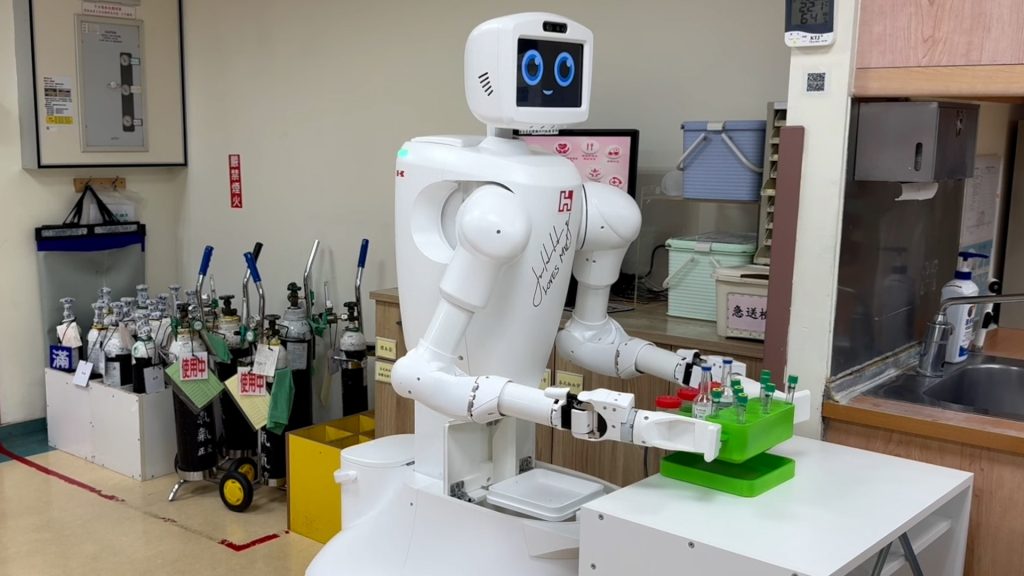
AI Hospital Robot_Hero
Source Credit: NVIDIA AI Hospital Robot_Hero

NVIDIA GTC 2026 wasn’t just about chips and models. NVIDIA also showcased how AI is being embedded into physical systems from autonomous vehicles to medical devices and robots.
At the event:

    • Robotics sessions illustrated how NVIDIA technology supports physical AI and real‑time control systems. (The Decoder)
    • Real‑time medical AI platforms were demonstrated, showing how AI can assist clinicians during procedures by enhancing decision‑making and information flow. (TMX Newsfile)

These applications are significant for businesses because they show that AI is no longer limited to cloud systems or offline training it’s moving into real‑time, safety‑critical environments.

AI Infrastructure: BlueField‑4 and Efficient Storage

NVIDIA Launches BlueField-4 STX Storage
Source Credit: NVIDIA Launches BlueField-4 STX Storage

One of the lesser‑covered but highly impactful announcements was around AI infrastructure hardware beyond compute.

The BlueField‑4 STX storage architecture is designed to dramatically increase throughput for AI context memory and data ingestion delivering higher token processing speeds and greater energy efficiency. (StorageNewsletter)

For enterprises running large language models (LLMs) and multimodal AI systems, storage bottlenecks can slow down performance. By improving throughput and efficiency, these systems help reduce costs and accelerate model responsiveness.

Ecosystem Partnerships and Industry Momentum

NVIDIA GTC 2026 also highlighted how the broader AI ecosystem is aligning with NVIDIA’s strategy:

  • Cloud providers, semiconductor partners, and system integrators showcased collaborations aimed at building out AI infrastructure.
  • NVIDIA’s partnerships extend from memory producers to cloud and edge vendors, ensuring that organizations can deploy AI solutions across environments.

This ecosystem focus is important because it means that business leaders now have options from cloud‑based deployments to on‑premises AI factories backed by a growing network of vendors and specialists. 

What GTC 2026 Means for Business Leaders

From an enterprise perspective, NVIDIA GTC 2026 offers four clear takeaways:

1. AI infrastructure is now strategic
Companies serious about AI need to think beyond isolated models and consider scalable, integrated systems that handle training, inference, and data workflows.
2. Generative and agentic AI will reshape workflows
Whether it’s customer experience automation or internal decision support, intelligent agents will soon be core tools in many business operations.
3. Graphics and real‑time rendering matter beyond entertainment
Advanced visualization capabilities like DLSS 5 are increasingly relevant for ecommerce, product demos, and immersive experiences.
4. Investment in AI platforms is long term
The trillion‑dollar estimate for infrastructure sales highlights that AI is not a short‑lived trend it’s a sustained shift in how technology is built and deployed.

Conclusion

NVIDIA GTC 2026 gave the tech world a lot to digest. NVIDIA’s announcements around next‑generation AI hardware, software ecosystems, agentic intelligence, and real‑time graphics point to an era where AI is inseparable from core computing infrastructure.

For enterprises whether in ecommerce, healthcare, manufacturing, or finance the takeaways are clear: AI isn’t just a tool for experimentation anymore. It’s becoming the foundation of modern business systems, and the organizations that embrace scalable, integrated AI platforms will have a competitive edge.

Scroll to Top