

Introduction
Cloud computing has revolutionized the way businesses and individuals store, manage, and access data and
applications. Cloud computing platforms provide the infrastructure and services necessary to run applications
and store data in a secure and scalable manner. In this article, we will provide a comprehensive overview of
cloud computing platforms, their benefits, and popular providers in the market.
What is Cloud Computing?
Cloud computing refers to the delivery of computing services over the internet. Instead of running applications
or storing data on local servers or personal computers, cloud computing allows users to access resources,
including computing power, storage, and databases, through remote servers maintained by cloud service providers.
This on-demand availability of computing resources offers flexibility, scalability, and cost efficiency for
businesses and individuals.
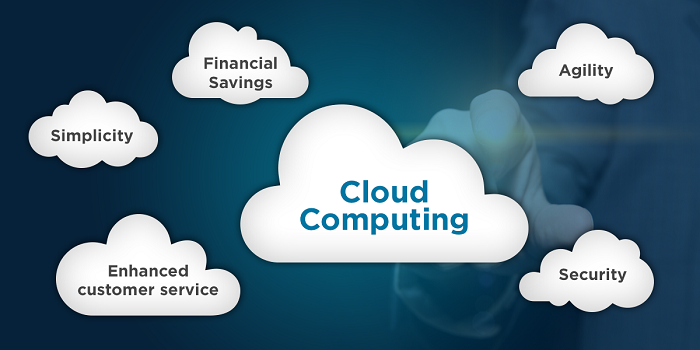
Benefits of Cloud Computing Platforms
Cloud computing platforms offer numerous benefits, including:
- Scalability: Cloud platforms provide the ability to scale resources up or down based on demand, allowing
businesses to adapt to changing needs without upfront investment in hardware. - Cost Efficiency: Cloud computing eliminates the need for upfront infrastructure investments, as users only
pay for the resources they consume. This pay-as-you-go model helps reduce costs and optimize budgeting. - Reliability and Availability: Cloud service providers ensure high availability and reliability of their
infrastructure, minimizing downtime and offering robust disaster recovery options. - Global Accessibility: Cloud computing enables users to access their applications and data from anywhere
with an internet connection, promoting remote work and collaboration. - Security: Cloud platforms employ advanced security measures and encryption protocols to protect data from
unauthorized access and ensure data privacy.
Popular Cloud Computing Platforms
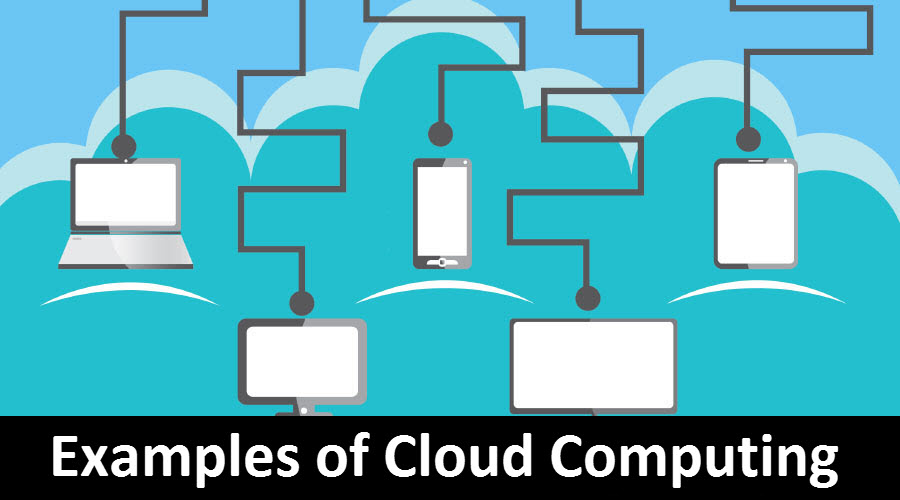
Several cloud computing platforms dominate the market, each offering unique features and services. Some of the
most popular platforms include:
- Amazon Web Services (AWS): Amazon’s cloud computing platform provides a comprehensive suite of services for
computing power, storage, databases, machine learning, and more. - Microsoft Azure: Azure offers a wide range of cloud services, including virtual machines, data storage,
analytics, and AI capabilities, integrated with Microsoft’s ecosystem. - Google Cloud Platform (GCP): GCP provides infrastructure, storage, machine learning, and data analytics
services, leveraging Google’s extensive network and technology expertise. - IBM Cloud: IBM’s cloud platform offers a suite of cloud services, including infrastructure, AI, data
analytics, and blockchain, tailored for enterprise needs. - Oracle Cloud Infrastructure (OCI): OCI provides a secure and scalable cloud platform with services for
computing, networking, storage, and database management.
Conclusion
These are just a few examples of the many cloud computing platforms available in the market. Each platform has
its own strengths and target audience, so it’s essential to evaluate your specific requirements before choosing
a provider.