


Table of Contents
Introduction
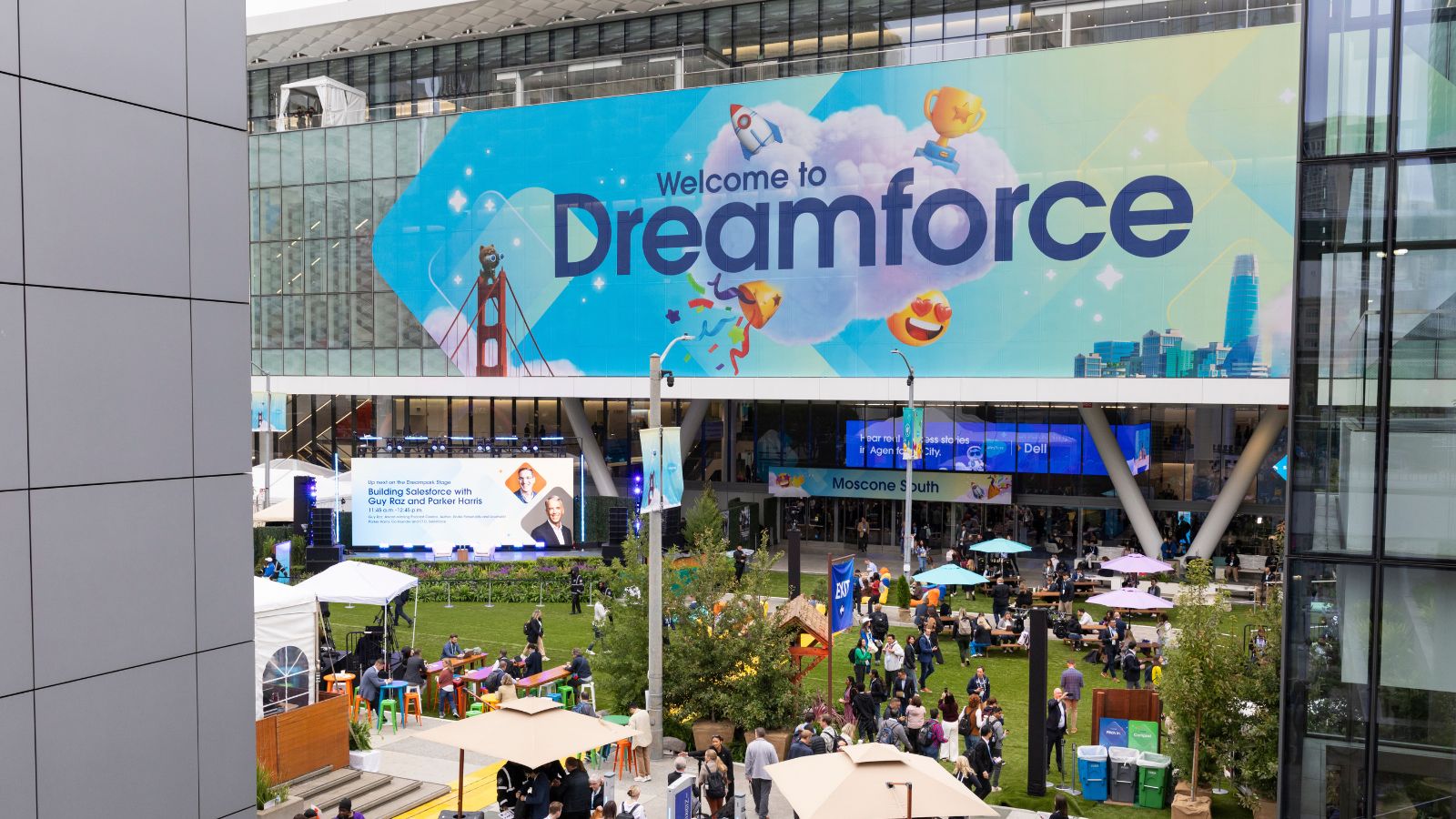
Dreamforce Conference 2026 brings Salesforce customers, partners, developers, administrators, business leaders, and technology experts together for three days focused on the Agentic Enterprise. The event runs from September 15-17, 2026, in San Francisco, with selected programming available to stream for free through Salesforce+.
This year’s message is direct: artificial intelligence becomes more useful when connected to trusted customer data, established workflows, and the systems where people already work. Salesforce is presenting AIforce as a live interface for this environment.
Agentforce, Customer 360, Data 360, and Slack provide the agents, applications, context, and collaboration required to turn intelligence into action.
The official Dreamforce program combines product announcements, executive conversations, customer stories, industry keynotes, hands-on training, community events, and entertainment. For organizations evaluating enterprise AI, the conference offers a practical look at how Salesforce expects humans and autonomous agents to work together.
Understanding Dreamforce 2026
Dreamforce is Salesforce’s flagship annual conference and one of the largest events in the enterprise technology calendar. It serves several audiences at once.
Executives can explore business strategy and outcomes, technical teams can learn how Salesforce products connect, professionals can develop new skills, and customers can hear directly from organizations using the latest technologies.
Dreamforce 2026 is both an in-person and digital event. Attendees in San Francisco can access the wider session catalog, networking opportunities, product demonstrations, hands-on experiences, the Welcome Reception, and Dreamfest.
Remote viewers can watch the main streamed program free on Salesforce+. This includes major keynotes, interviews, and selected sessions. On-demand viewing also allows teams to revisit important product announcements and share relevant sessions with their colleagues.
The Rise of the Agentic Enterprise
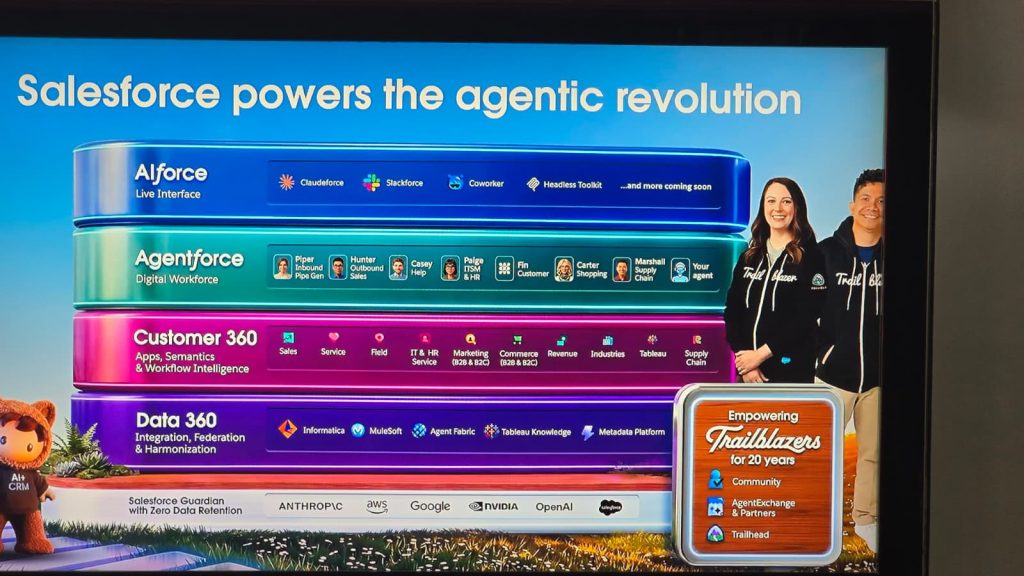
Salesforce describes the Agentic Enterprise as an organization in which people and AI agents work together across different business functions. The objective is not simply to add another chatbot to an existing process.
- Agents need trusted business context, defined permissions, useful workflows, and clear points of human oversight.
- When these elements are connected, agents can help complete meaningful work rather than only generate text or answer basic questions.
- The official Dreamforce program repeatedly connects AI with measurable business outcomes. The Agentforce keynote focuses on moving from a fast start to real return on investment.
- The Data 360 keynote explains why trusted enterprise context becomes an advantage when many organizations can access similar AI models.
- The Slack keynote positions collaboration as the front door through which employees can work with agents.
Together, these sessions move the conversation from AI experimentation toward deployment, governance, adoption, and measurable value.
How Salesforce’s Agentic Stack Works
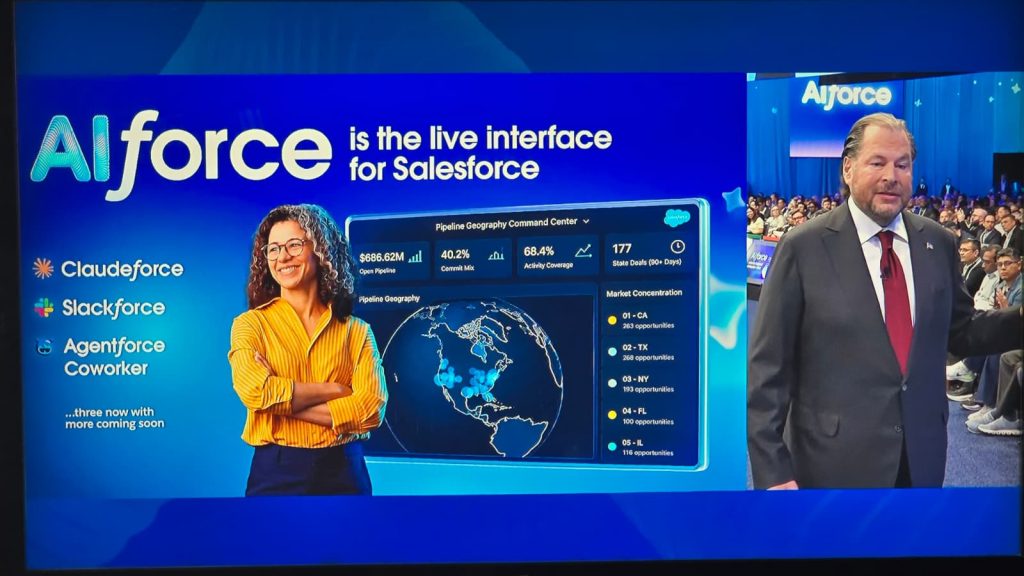
The Dreamforce keynote presents a four-layer Salesforce architecture. Each layer has a different purpose, but the greatest value comes from connecting them as one enterprise system.
AIforce as the Live Interface
AIforce sits at the top of the stack as the live interface for Salesforce. The keynote visuals introduce experiences such as Cloudforce, Slackforce, and Agentforce Coworker, with more interfaces expected in the future.
- The concept allows users to access enterprise intelligence in the environment best suited to their work, whether that is Salesforce, Slack, or another connected interface.
- AIforce is presented as a bridge between advanced AI and trusted business context.
- Instead of asking every employee to learn a separate AI application, Salesforce wants intelligence to appear inside the systems employees already use.
The AIforce keynote, “Anywhere Humans and Agents Work,” connects this direction with Headless 360, enterprise trust, and the demand for measurable AI ROI.
Agentforce as the Digital Workforce
Agentforce represents the digital-workforce layer. The presentation shows role-based agents designed for:
- Inbound sales
- Outbound sales
- Customer support
- IT service management and HR
- Financial services
- Shopping and commerce
- Supply-chain operations
- Custom business requirements
This role-based model is important because effective enterprise agents need a clearly defined job, relevant information, approved actions, and measurable success criteria.
The Agentforce keynote explains how customers can start with out-of-the-box agents, customize them for specific outcomes, and ground them in real customer data.
Customer 360 as the Application and Workflow Layer
Customer 360 provides the applications, business semantics, and workflow intelligence required to turn an AI response into a useful business action.
The keynote stack includes:
- Sales
- Customer service
- Field operations
- IT and HR
- Marketing for B2B and B2C organizations
- Commerce
- Revenue management
- Industry solutions
- Tableau
- Supply-chain management
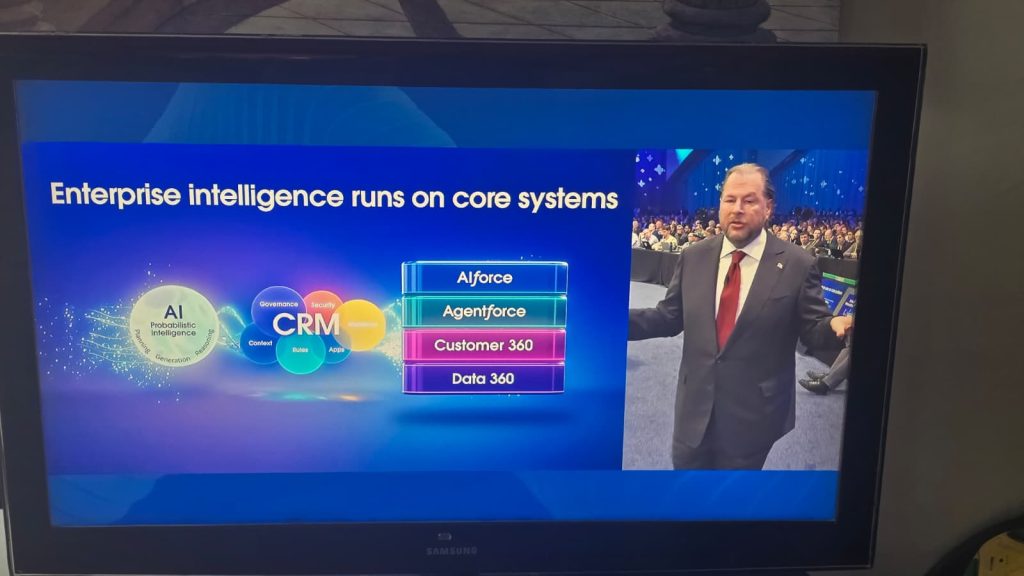
One of the keynote slides states that enterprise intelligence runs on core systems. AI provides probabilistic capabilities such as planning, generation, and reasoning. CRM contributes governance, security, context, rules, applications, and workflows.
Combining these elements is intended to create intelligence that can operate within real business processes.
Data 360 as the Trusted Context Layer
Data 360 forms the foundation through data integration, federation and harmonization. The keynote visual connects this layer with Informatica, MuleSoft, Agent Fabric, Tableau Knowledge and Salesforce’s Metadata Platform.
- Its purpose is to bring fragmented information together so humans and agents can act with timely and relevant context.
- This foundation explains the Data 360 keynote title, “Context Is Your AI Advantage.” A powerful AI model without reliable enterprise data can still generate incomplete or poorly grounded answers.
Salesforce’s position is that connected data, shared meaning, and governed access allow organizations to scale AI with greater confidence.
Trust, Governance and the Partner Ecosystem
The bottom of the keynote stack highlights Salesforce Guardian with zero data retention. It also displays an AI ecosystem that includes Anthropic, AWS, Google, NVIDIA, OpenAI, and Salesforce technologies.
The presentation emphasizes the importance of:
- The Trailblazer Community
- AgentExchange and Salesforce partners
- Trailhead learning resources
- Enterprise security and governance
- Technology and implementation partners
This frames the platform as both a technology architecture and an implementation ecosystem supported by education, community, and specialist expertise.
Major Dreamforce 2026 Keynotes
Dreamforce Main Keynote
The Main Keynote takes place on Tuesday, September 15, at 10:00 a.m. PT. Salesforce Chair and CEO Marc Benioff is joined by leaders from NVIDIA, Anthropic, Siemens and other organizations.
The session introduces AIforce and explores what it means to become an Agentic Enterprise. It also demonstrates how AI can work with trusted business context across the Salesforce platform.
Agentforce Keynote: From Fast Start to Real ROI
Scheduled for Wednesday, September 16, at 10:30 a.m. PT, this keynote focuses on practical Agentforce implementation.
Viewers can learn how customers begin with ready-made agents, customize them for specific business requirements, and connect them with real customer data. The session also examines how businesses can link agent adoption with measurable return on investment.
AIforce Keynote: Anywhere Humans and Agents Work
The AIforce keynote begins on Wednesday, September 16, at 2:30 p.m. PT.
It explores AIforce, Headless 360, enterprise trust, and how humans and agents can work across different interfaces. The session is particularly relevant for organizations assessing how to provide employees with AI without creating another disconnected workplace tool.
Data 360 Keynote: Context Is Your AI Advantage
The Data 360 keynote takes place on Wednesday, September 16, at 3:45 p.m. PT.
It focuses on connected enterprise data and real-time context. The session explains how trusted information can help humans and agents win customers, improve AI efficiency, and scale AI across the organization.
Slack Keynote: The Front Door to the Agentic Enterprise
The Slack keynote is scheduled for Thursday, September 17, at 10:00 a.m. PT.
Salesforce presents Slack as the front door to the Agentic Enterprise. Slackbot is positioned as a superagent that can help employees coordinate work and interact with different agents from a familiar collaborative environment.
Notable Speakers at Dreamforce 2026
The Dreamforce 2026 program brings together enterprise technology leaders, AI researchers, executives, public officials, creators, and cultural figures. These speakers offer different perspectives on AI innovation, enterprise transformation, leadership, and the future of work.
Marc Benioff, Chair and CEO of Salesforce
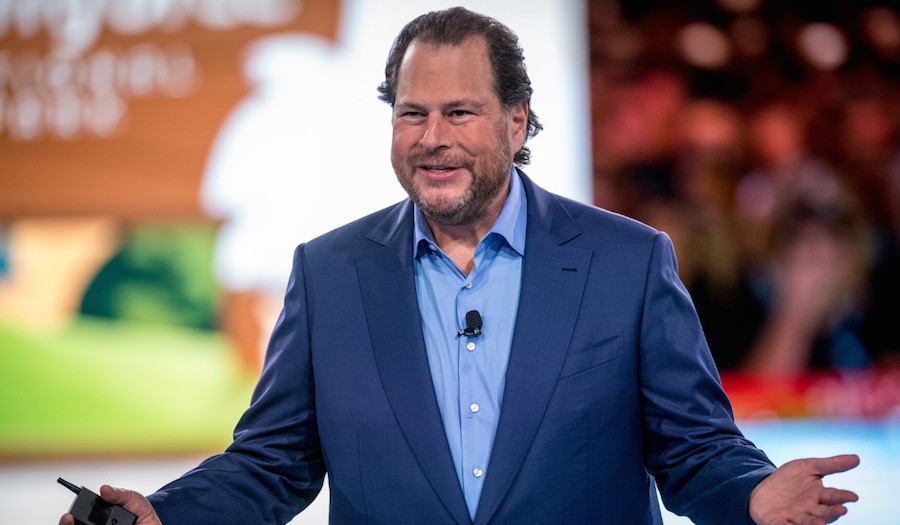
Marc Benioff is the co-founder, chair, and CEO of Salesforce. At Dreamforce 2026, he leads important conversations about AIforce, trusted enterprise AI, and how businesses can prepare for a future where employees and autonomous agents work together.
Dario Amodei, Co-Founder and CEO of Anthropic
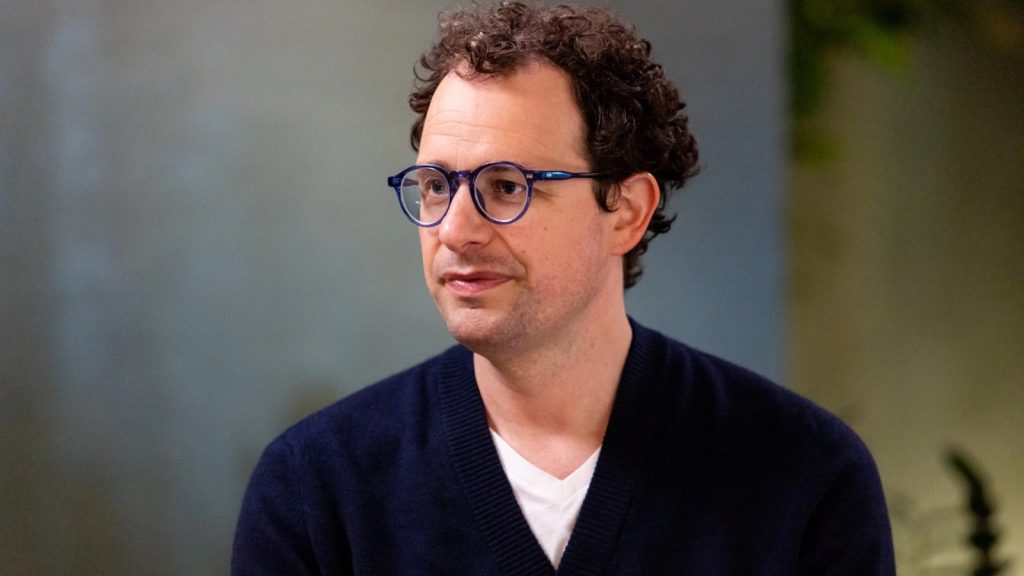
Dario Amodei is an AI researcher and the co-founder and CEO of Anthropic. His work focuses on developing capable, reliable, interpretable, and controllable AI systems that organizations can use more responsibly.
Jensen Huang, Founder and CEO of NVIDIA
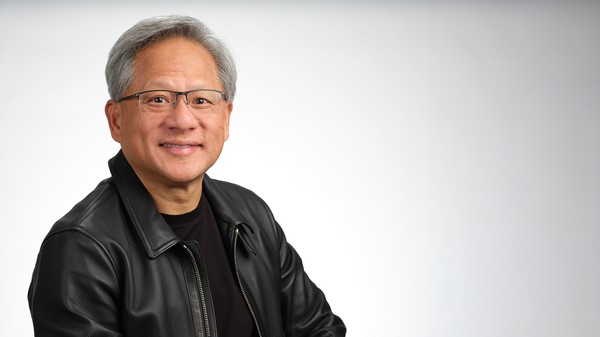
Jensen Huang is the founder and CEO of NVIDIA, a company that plays a major role in accelerated computing and modern AI infrastructure. His Dreamforce appearance highlights the technologies powering enterprise AI and the growing demand for advanced computing.
Sam Altman, Co-Founder and CEO of OpenAI

Sam Altman is the co-founder and CEO of OpenAI, where he leads the development of advanced artificial intelligence technologies. His conversation with Marc Benioff explores the AI frontier and how Salesforce and OpenAI are turning powerful models into trusted business tools.
Roland Busch, President and CEO of Siemens
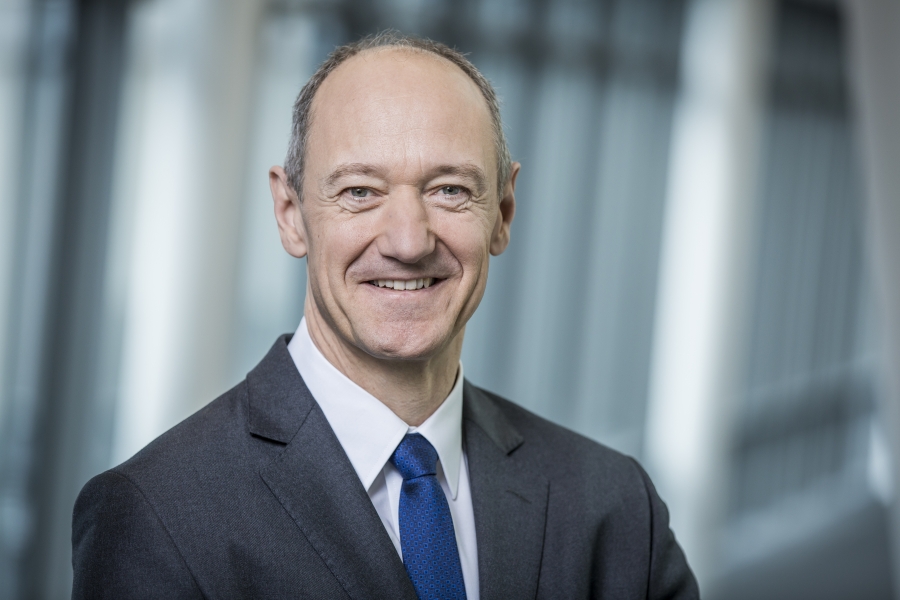
Roland Busch is the president and CEO of Siemens, a global technology company working across manufacturing, infrastructure, transportation, and industry. At Dreamforce, he discusses how industrial AI connects physical operations with digital systems and customer experiences.
Allie K. Miller, AI Advisor and CEO of Open Machine
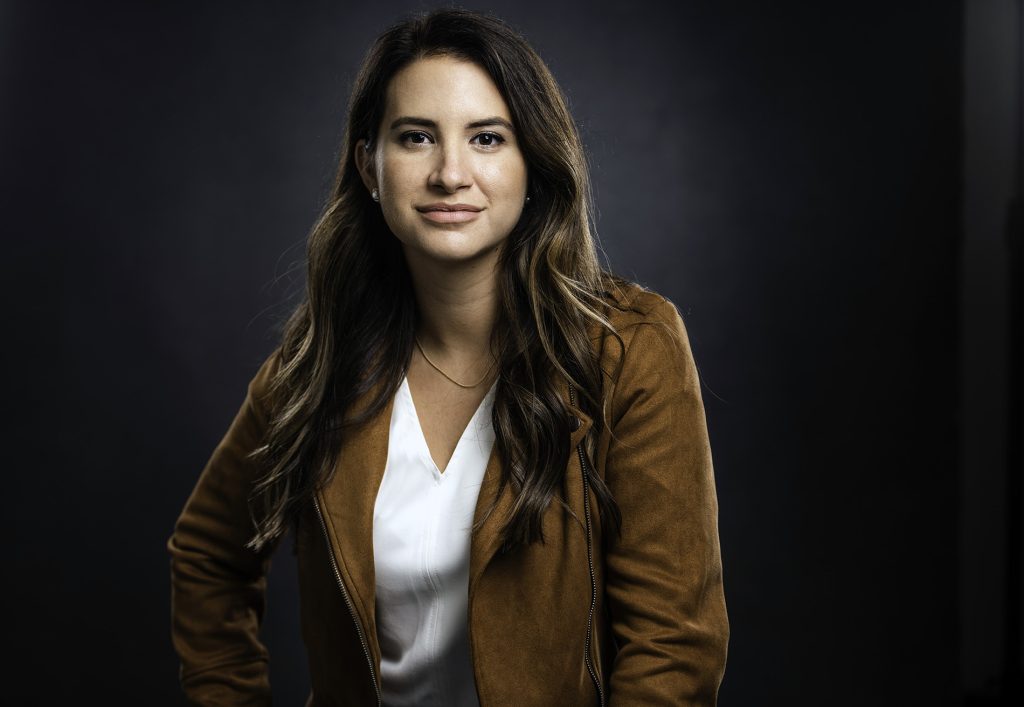
Allie K. Miller is the CEO of Open Machine and an AI advisor who helps organizations turn emerging technologies into practical business strategies. Her work focuses on using AI to support measurable growth, innovation, productivity, and competitive advantage.
The Wider Business Impact of AI
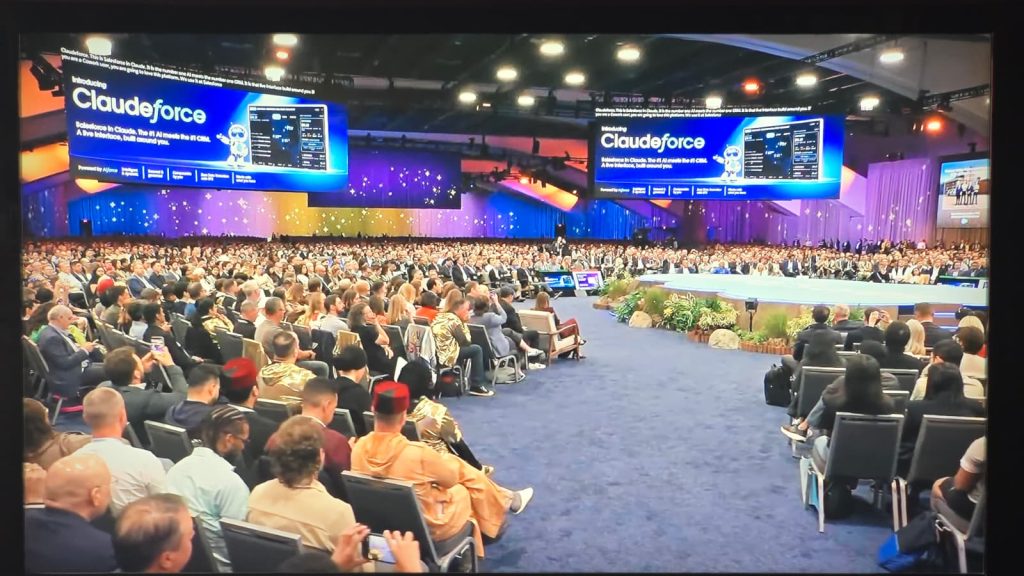
Dreamforce 2026 does not limit the discussion to business software. Several sessions examine how AI affects education, creativity, inclusion, leadership, and sustainability.
- Sheryl Lee Ralph and Dr. Maria Su discuss the impact of AI on public schools and the challenges institutions face when new technology develops faster than available resources.
- Sterling K. Brown explores why empathy, inclusion and human judgment become more important as technology influences how people work and lead.
- Will.i.am and Matthew McConaughey discuss the relationship between AI and humanity, including the need to protect creativity and apply technology with intention.
- Terry and Rebecca King-Crews address disability, workplace access and advocacy.
- Reese Witherspoon examines the importance of storytelling and why brands that represent women authentically can build stronger relevance.
- YOSHIKI explores AI, art and ethics, while Tony Robbins discusses the urgency businesses face as AI-agent adoption accelerates.
Bill Nye and One New Zealand’s Nicky Preston will focus on sustainable AI. Their session considers why running AI efficiently, rather than simply building larger models, may become a competitive advantage.
Dreamforce Sessions and Experiences
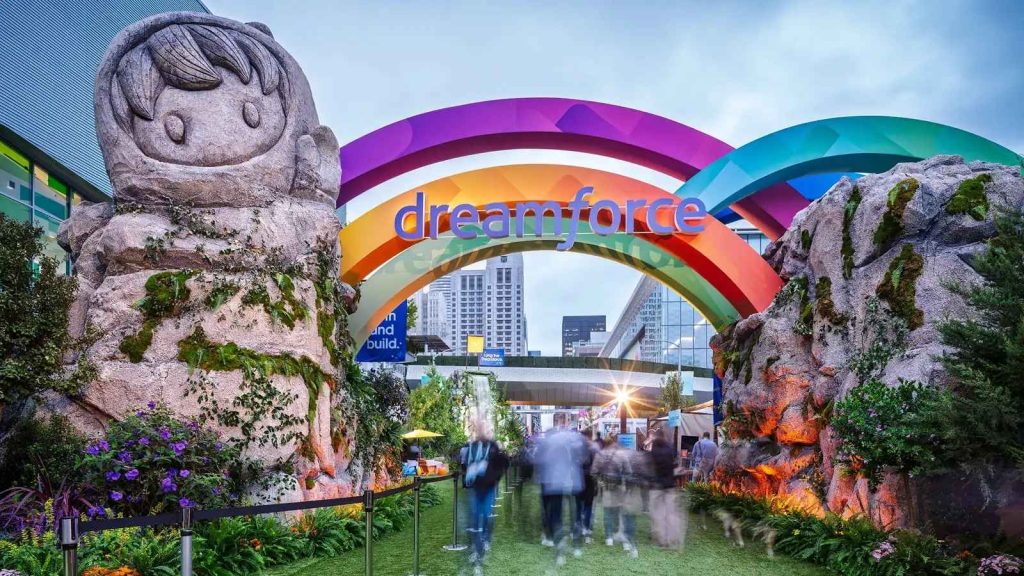
Dreamforce is designed as more than a collection of keynotes. Product sessions, industry discussions, demonstrations, and hands-on training help attendees move from broad ideas to practical applications.
- “Salesforce on Salesforce: Scaling the Agentic Enterprise” offers a customer-zero view of Salesforce’s own AI journey. Company leaders will discuss what worked, what failed, and what they learned while implementing their agentic strategy.
- “True to the Core” provides an unscripted question-and-answer session with Salesforce co-founder Parker Harris and other product leaders. Attendees can ask about features, product roadmaps, and platform priorities.
The program also includes Dreampitch, where attendees can discover impact-focused startups and vote for a final winner.
Community Events and Entertainment
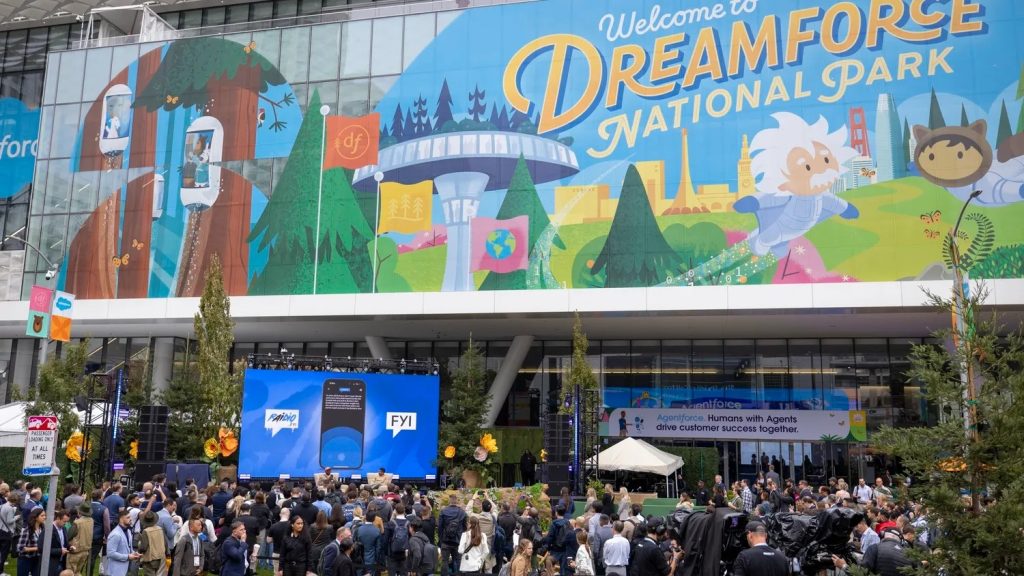
The Welcome Reception takes place in Dreampark and celebrates 20 years of the Trailblazer Community. It allows in-person attendees to meet other Salesforce users, partners, and experts at the end of the opening day.
Dreamfest features Grammy-winning artists USHER and Gwen Stefani. The event supports UCSF Benioff Children’s Hospital and is available exclusively to in-person attendees.
Dreamforce 2026 closes with a Comedy Hour featuring Jim Gaffigan. These experiences reflect Dreamforce’s combination of education, networking, community, entertainment, and social impact.
Ways to Attend Dreamforce Virtually
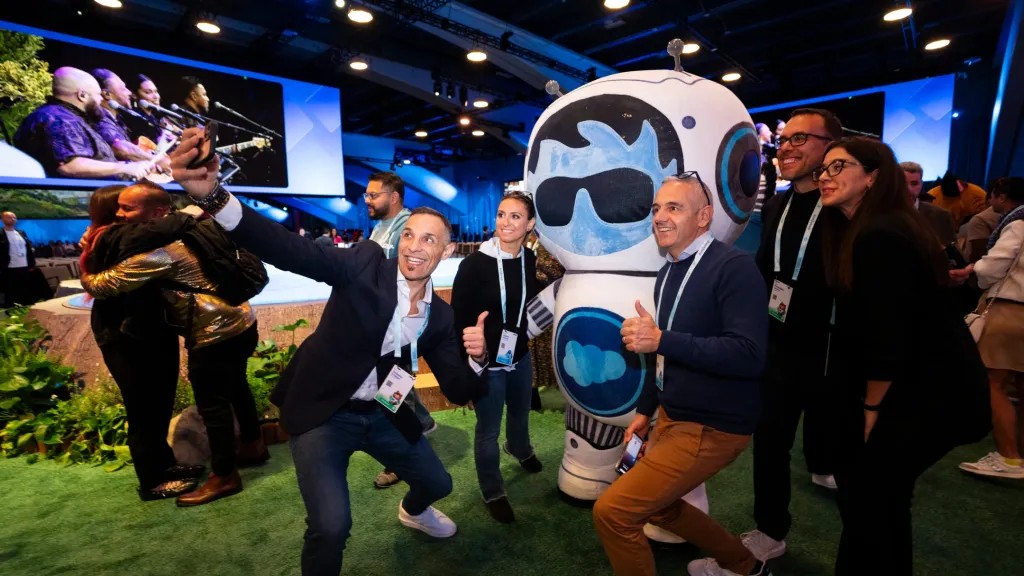
Salesforce+ provides free streaming for the main digital program. Remote attendees can follow flagship keynotes, interviews, and selected sessions without traveling to San Francisco.
The platform also provides on-demand viewing. This makes it easier to catch sessions that overlap, share relevant content with colleagues, and revisit technical announcements after the event.
Virtual viewers should build a watchlist around their professional responsibilities:
- Executives can prioritize the Main Keynote and customer ROI stories.
- Data leaders should watch the Data 360 keynote.
- Sales, service, IT, and operations teams can focus on Agentforce use cases.
- Collaboration leaders should watch the Slack keynote.
- Developers and administrators can combine product broadcasts with technical sessions and hands-on training.
Preparing Your Business for Dreamforce
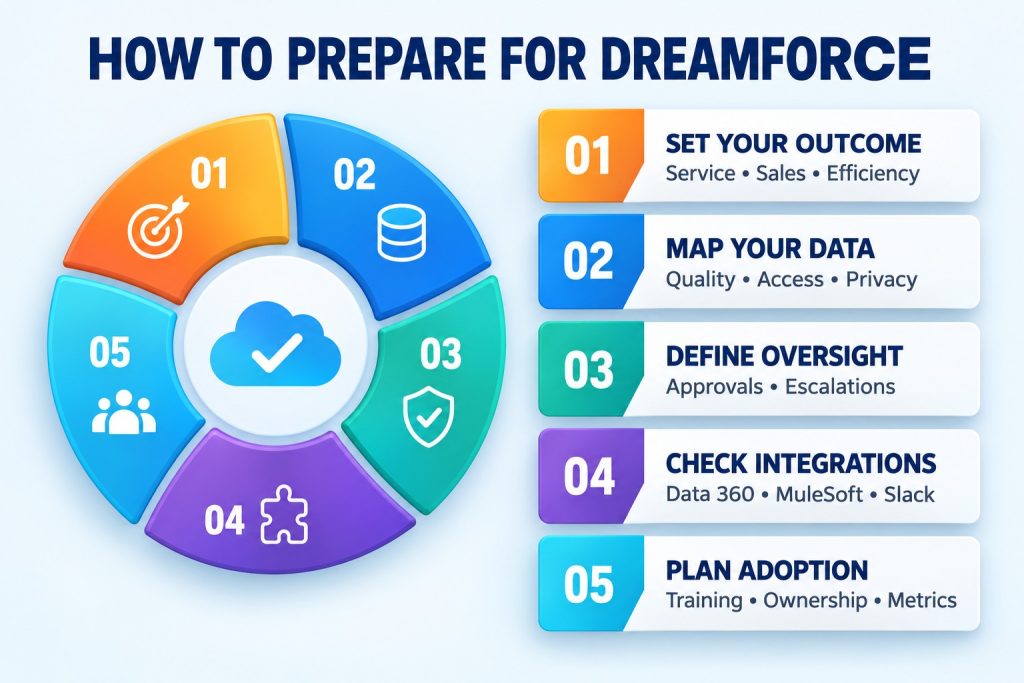
The best preparation begins with business questions rather than an overly long session list. Organizations should identify two or three processes where employees lose time, customers experience unnecessary delays, or business data remains fragmented.
They can then evaluate each Dreamforce announcement against those problems.
Define the desired outcome
Decide whether the priority is faster customer service, improved seller productivity, better data access, reduced operational effort, or another measurable result.
Map the required data
Identify the systems and information an agent would need. Consider data quality, consent, access permissions, privacy, and retention requirements.
Establish human oversight
Determine which actions an agent may complete independently, which require employee approval, and how unusual cases will be escalated.
Examine integration requirements
Consider how Data 360, MuleSoft, existing Salesforce products, Slack, and outside systems would connect within the proposed workflow.
Plan for employee adoption
New technology does not create value if employees cannot use it effectively. Organizations should consider training, process ownership, monitoring, and the metrics used to evaluate results after launch.
Key Takeaways from Dreamforce 2026
- The first major takeaway is that Salesforce is turning AI into a platform-wide operating model. AIforce provides the live interface, Agentforce supplies specialized digital workers, Customer 360 contributes applications and workflows, and Data 360 provides connected business context. Trust capabilities and technology partners support the entire stack.
- Second, context is becoming a competitive advantage. Access to a capable AI model is no longer enough. The quality of enterprise data, permissions, workflows and governance will determine whether AI can generate reliable business results.
- Third, the employee experience matters. By presenting Slack, Cloudforce and role-based coworkers as entry points, Salesforce is signaling that AI adoption depends on making agents available inside everyday work.
- Finally, the repeated focus on ROI shows that AI experimentation is giving way to accountability.
Organizations will increasingly need to demonstrate where agents save time, improve customer outcomes, or create new capacity.
What Will Happen After Dreamforce 2026?
Dreamforce 2026 presents a future in which CRM is not simply a system that employees update. It becomes a governed environment where data, applications, people, and AI agents collaborate in real time.
- The difficult work will take place after the product announcements. Organizations will need to select the right processes, prepare trusted data, establish boundaries, train employees, and measure outcomes.
- For businesses already using Salesforce, the conference is an opportunity to evaluate how their existing CRM, data, and Slack investments can support an agentic strategy.
- For organizations still exploring enterprise AI, Dreamforce offers a clear framework: begin with a business outcome, ground intelligence in reliable context, connect it with core systems, and keep people responsible for the decisions that matter most.
Deepak Wadhwani has over 20 years experience in software/wireless technologies. He has worked with Fortune 500 companies including Intuit, ESRI, Qualcomm, Sprint, Verizon, Vodafone, Nortel, Microsoft and Oracle in over 60 countries. Deepak has worked on Internet marketing projects in San Diego, Los Angeles, Orange Country, Denver, Nashville, Kansas City, New York, San Francisco and Huntsville. Deepak has been a founder of technology Startups for one of the first Cityguides, yellow pages online and web based enterprise solutions. He is an internet marketing and technology expert & co-founder for a San Diego Internet marketing company.