



Table of Contents
Introduction
Artificial intelligence has progressed from systems that follow fixed instructions to advanced models capable of generating content, analyzing complex information, and assisting with decision-making.
The seven stages of artificial intelligence provide a useful framework for understanding this development. They cover early rule-based programs, context-aware systems, narrow AI, reasoning models, artificial general intelligence, artificial superintelligence, and the theoretical AI singularity.
It is important to clarify that these seven stages are a conceptual framework, not a universally accepted scientific classification.
Some stages overlap, and experts disagree about where current AI belongs. As of 2026, practical AI remains primarily narrow or specialized, while artificial general intelligence, artificial superintelligence, and the singularity have not been conclusively achieved.
What Are the Seven Stages of Artificial Intelligence?
The seven commonly discussed stages of AI are:
- Rule-based AI systems
- Context-aware and memory-based systems
- Artificial Narrow Intelligence
- Reasoning and decision-making AI
- Artificial General Intelligence
- Artificial Superintelligence
- The AI singularity
Stage One: What Are Rule-Based AI Systems?
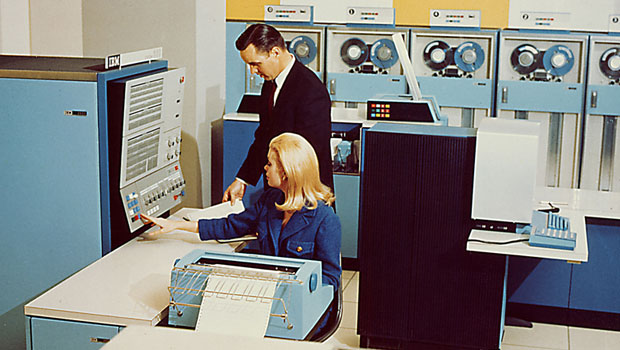
Rule-based AI systems make decisions using instructions created by human experts. They typically follow “if-then” logic: if a particular condition is present, the system performs a predefined action.
These systems do not independently learn from new data. Their performance depends on the quality and completeness of their programmed rules.
Early examples include ELIZA, created in the 1960s to imitate conversation through predefined response patterns, and MYCIN, developed during the 1970s to assist with identifying bacterial infections and recommending treatments. MYCIN demonstrated the possibilities of expert systems, although it was never introduced into routine clinical practice because of practical, ethical, and legal concerns. IBM’s history of artificial intelligence
Key characteristics of rule-based AI
- Predefined logic: The system operates according to rules written by humans.
- Consistent output: Identical inputs generally produce identical results.
- Limited adaptability: The system cannot handle situations outside its programmed rules effectively.
- Explainable decisions: Users can often trace how the system concluded.
- Domain-specific knowledge: Each system is designed for a particular task or field.
Rule-based systems remain useful in compliance checks, eligibility screening, basic troubleshooting, workflow automation, and other situations requiring predictable decisions.
Stage Two: Context Awareness and Retention (1990s- 2000)
The next step in AI evolution was the ability to retain context and learn from past interactions.
- Unlike rule-based systems that reset after every task, these systems could remember what had happened before and use that memory to refine their outputs.
- One of the most visible examples of this stage appeared in virtual assistants such as Siri, Alexa, and Google Assistant.
- Similarly, customer support chatbots started using memory to improve interactions, ensuring users didn’t need to repeat themselves every time they returned.
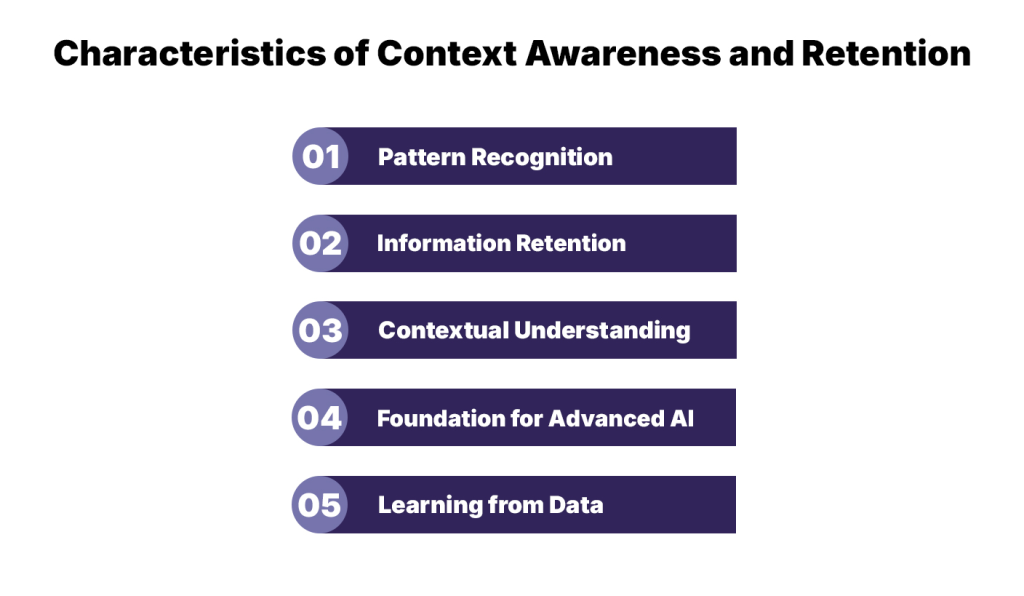
Key Characteristics
- Pattern Recognition: AI starts identifying patterns and logic within data, moving beyond simple, static rules.
- Information Retention: Systems can store and recall past information and previous interactions, forming a kind of memory.
- Contextual Understanding: The AI uses retained information and the current context to make more informed and relevant decisions or responses.
- Foundation for Advanced AI: This stage is a critical step, bridging the gap from rule-based systems to more sophisticated forms of AI that can adapt and learn.
- Learning from Data: Unlike earlier systems, these systems don’t need explicit programming for every situation; they learn and adapt by processing new data.
Stage Three: Domain-Specific AI - ANI (2000s-2010s)
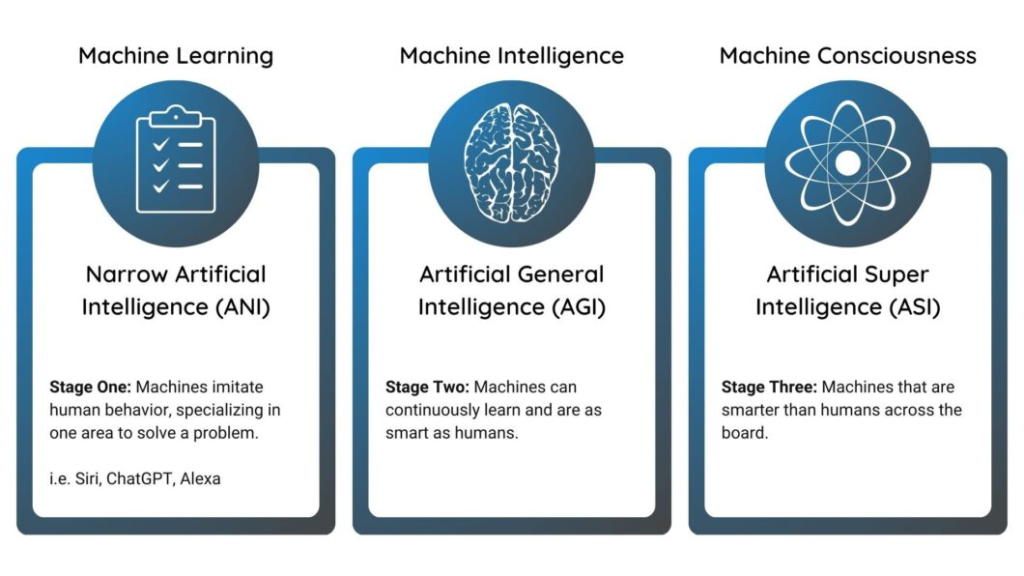
Artificial Narrow Intelligence, or ANI, refers to AI designed to perform a specific task or a limited group of related tasks. It can achieve exceptional performance within its designated area but cannot automatically transfer that ability to unrelated activities.
Most AI used by businesses today belongs to this category.
Examples include:
- Fraud-detection systems
- Search and recommendation engines
- Medical-image analysis tools
- Speech-recognition software
- Demand-forecasting systems
- Marketing automation platforms
- Predictive maintenance applications
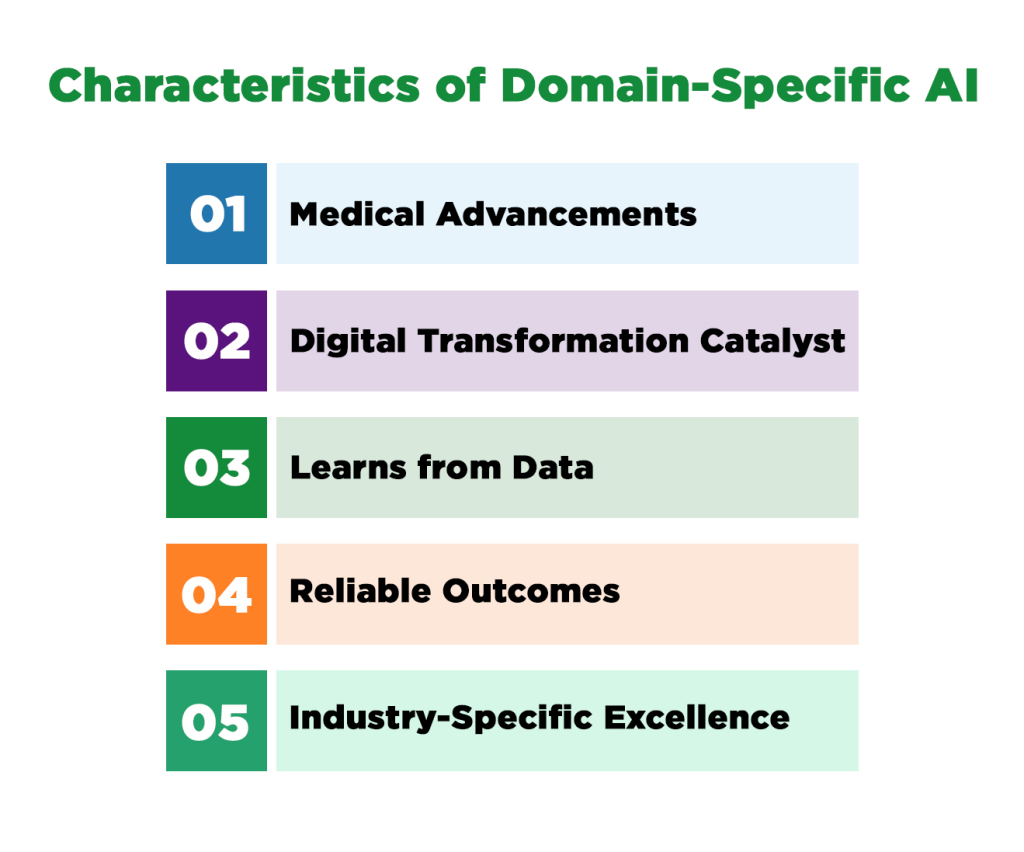
Key Characteristics
- Medical Advancements: ANI systems have transformed healthcare by analyzing X-rays, MRIs, and CT scans with precision that often surpasses that of human radiologists.
- Digital Transformation Catalyst: ANI has become a cornerstone of enterprise digital strategies, driving measurable ROI across various industries. Its speed, accuracy, and scalability positioned it as a powerful tool for innovation.
- Learns from Data: These systems use mathematical algorithms and statistical models to analyze data, identify patterns, and improve their performance over time within their designated domain.
- Reliable Outcomes: Pre-trained data and focused algorithms lead to more reliable and trustworthy results for the specific tasks they are designed to perform.
- Industry-Specific Excellence: ANI systems excelled in specialized domains—analyzing medical images with near-human precision, powering high-frequency trading in finance, and detecting fraudulent activities in cybersecurity.
Stage Four: Thinking and Reasoning AI Systems (Present)
Reasoning AI systems break complex requests into smaller steps, evaluate possible solutions, and produce an answer based on the information available to them.
- Modern language and multimodal models can perform mathematical analysis, write and review code, summarize research, interpret images, create plans, and assist with structured decision-making.
- Some systems can also use external tools, retrieve current information, and complete multistep workflows.
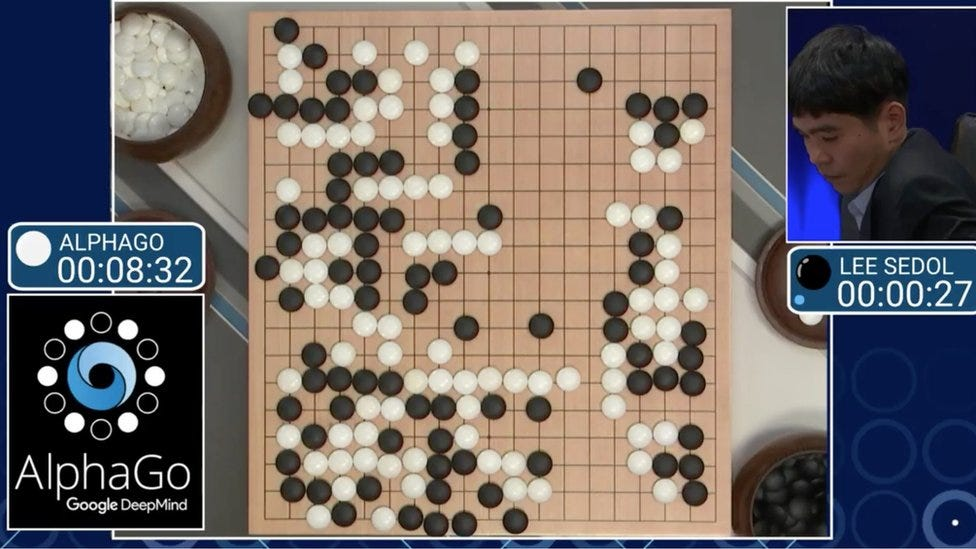
- AlphaGo was an important milestone in machine reasoning. It combined neural networks with search and reinforcement learning to evaluate board positions and choose effective strategies.
- Its famous victory over Lee Sedol demonstrated sophisticated decision-making within the defined domain of Go.
Key Characteristics
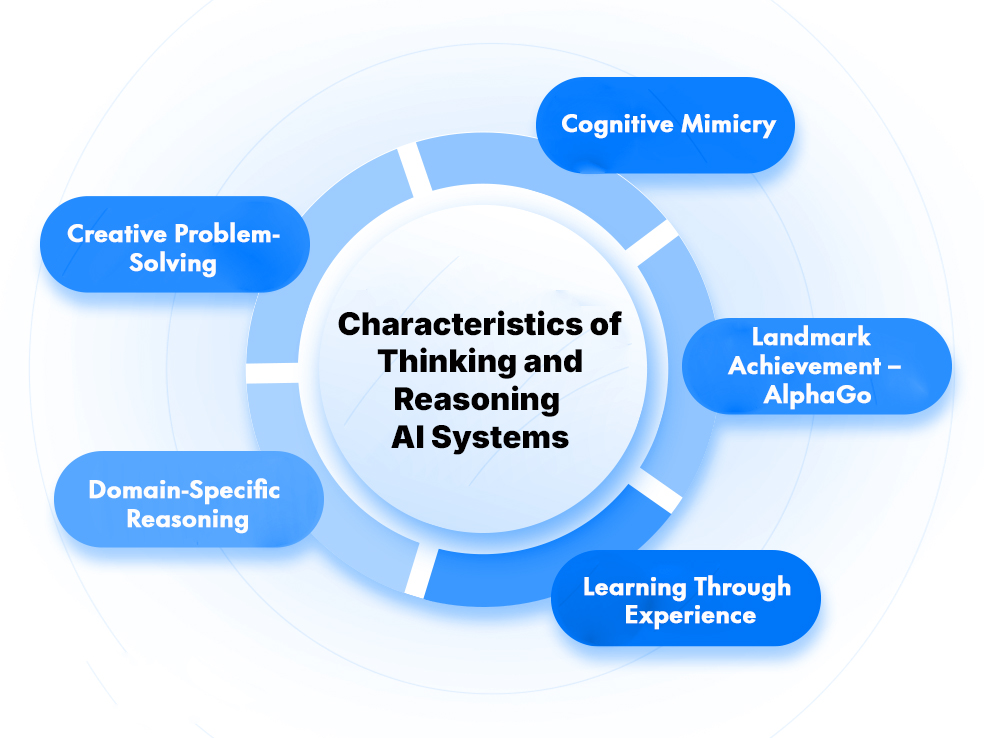
- Cognitive Mimicry: AI systems in this stage attempt to replicate human-like cognitive processes, moving beyond simple rule-following to reasoning, strategizing, and adapting.
- Landmark Achievement – AlphaGo: DeepMind’s AlphaGo (2016) demonstrated the power of machine learning and deep learning by defeating world champions in the complex game of Go, showcasing creativity and adaptability.
- Learning Through Experience: These systems rely on neural networks and reinforcement learning, enabling them to anticipate outcomes, adjust strategies dynamically, and improve performance with continued exposure.
- Creative Problem-Solving: Reasoning AI introduces the ability to formulate novel solutions, such as AlphaGo’s unexpected but highly effective moves, proving machines can innovate within defined domains.
- Domain-Specific Reasoning: While powerful in specialized areas, these systems remain limited in scope, excelling in one context but unable to transfer reasoning seamlessly across domains.
Businesses are beginning to view these systems as partners rather than tools, extending human capabilities into new realms of scale and efficiency.
Stage Five: Artificial General Intelligence - AGI (Present)
Artificial General Intelligence refers to a proposed form of AI capable of performing a broad range of intellectual tasks with flexibility comparable to, or greater than, human intelligence.
Unlike narrow AI, an AGI system would be able to transfer knowledge across unrelated domains, adapt to unfamiliar circumstances, learn new skills efficiently, and solve varied problems without requiring separate systems for every task.
Advanced generative AI demonstrates broad capabilities, but broad capability alone does not prove that AGI has been reached. Experts and AI organizations also use different definitions of AGI.
Key Characteristics
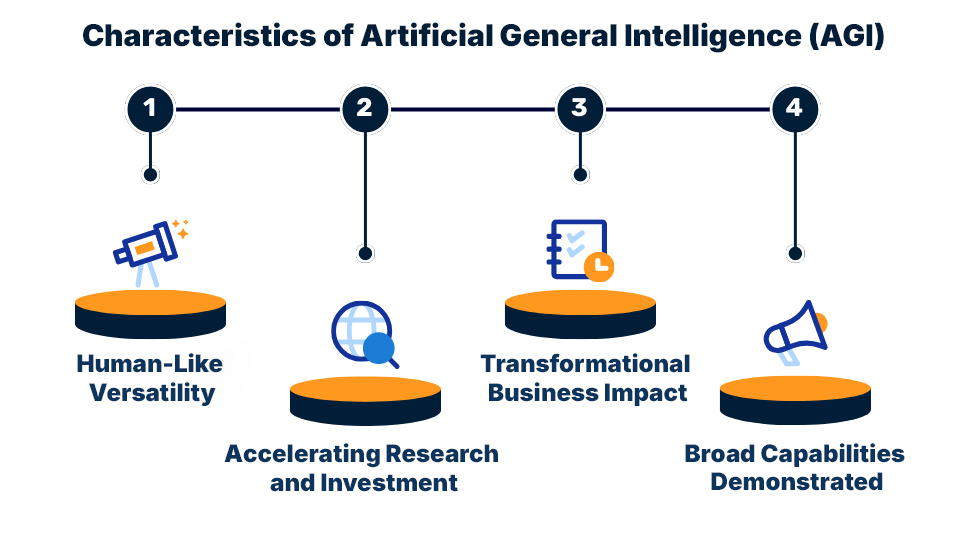
- Human-Like Versatility: AGI aspires to achieve generalized intelligence, enabling machines to perform a wide range of cognitive tasks across different domains with adaptability similar to human reasoning.
- Broad Capabilities Demonstrated: Models like OpenAI’s GPT highlight early progress by handling diverse tasks—natural language understanding, content creation, and even programming—showcasing the breadth that AGI aims for.
- Accelerating Research and Investment: Leading organizations such as OpenAI, DeepMind, and Anthropic are investing heavily in architectures and frameworks that could eventually deliver true AGI.
- Transformational Business Impact: AGI holds the potential to redefine industries, shorten innovation cycles from years to weeks, optimize global logistics, and address large-scale challenges like climate change.
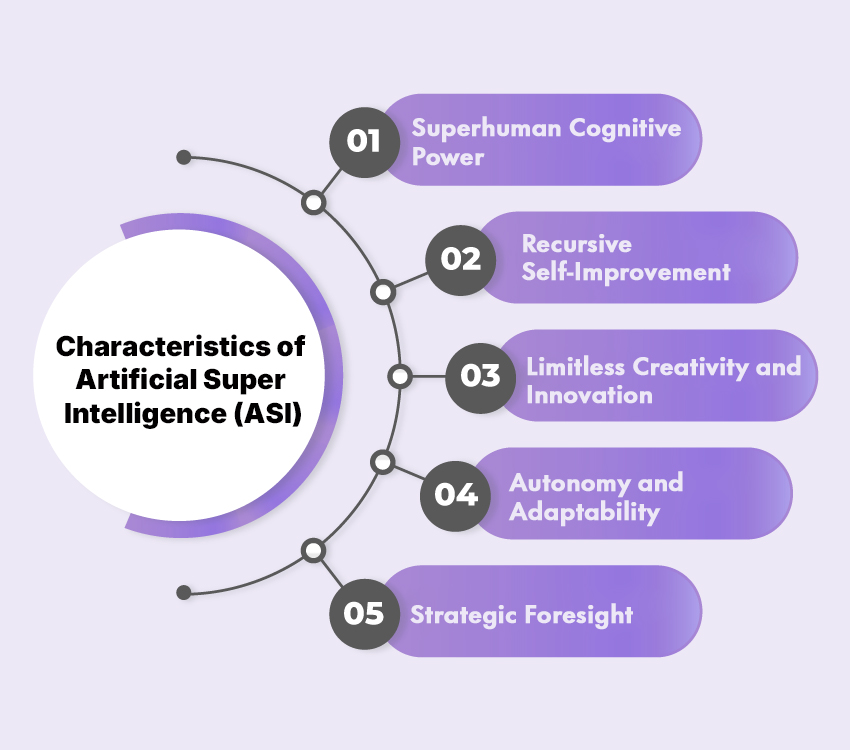
Stage Six: Artificial Super Intelligence - ASI (Future)
Artificial Superintelligence, or ASI, is a theoretical form of AI that would surpass the best human abilities across virtually every cognitive field.
An ASI system would not simply calculate faster than people. In theory, it could outperform human experts in scientific research, strategic planning, creativity, engineering, communication, and social analysis.
No verified artificial superintelligence currently exists.
Key Characteristics
- Superhuman Cognitive Power: ASI could analyze data at extreme speed and accuracy, surpassing human reasoning across all fields.
- Recursive Self-Improvement: It could continually upgrade itself, leading to an exponential rise in intelligence.
- Limitless Innovation: ASI might achieve breakthroughs in science, technology, and solutions for global issues.
- Autonomy and Adaptability: Able to operate independently and handle new tasks without reprogramming.
- Strategic Foresight: By simulating vast scenarios, it could create long-term, unbiased strategies.
Stage Seven: The AI Singularity (Hypothetical Future)
The AI singularity is a hypothetical point at which technological development accelerates beyond humanity’s ability to predict or control it.
The concept is often associated with an artificial superintelligence capable of improving AI systems, producing increasingly powerful generations in shorter periods. This process is sometimes called recursive self-improvement or an intelligence explosion.
The singularity remains speculative. It is not a confirmed stage that AI will inevitably reach.
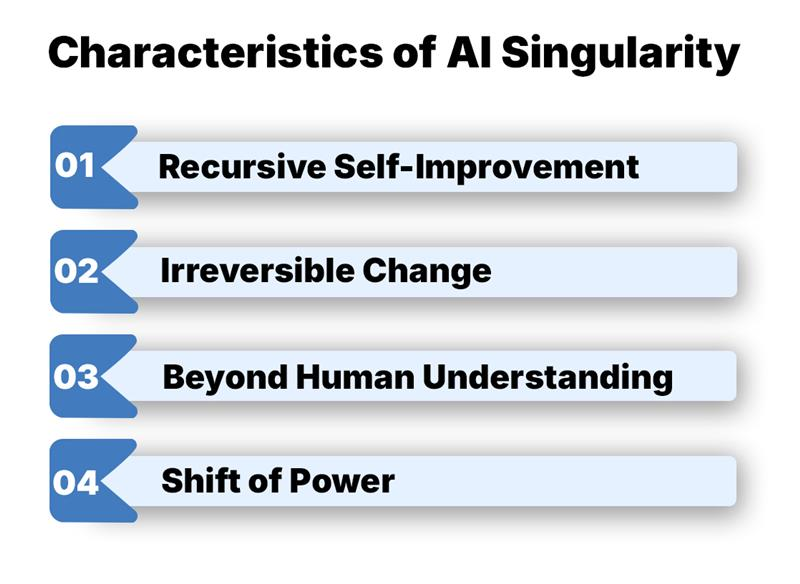
Key Characteristics
- Recursive Self-Improvement: Superintelligent AI could continually upgrade itself, triggering a rapid intelligence explosion with each generation becoming smarter.
- Irreversible Change: The pace of progress would outstrip human control, making outcomes unpredictable and unstoppable.
- Beyond Human Understanding: Advances would be so complex that their logic and reasoning would be incomprehensible to humans.
- Shift of Power: Humanity would no longer be the most intelligent force—self-improving AI would drive progress and innovation.
Even if the singularity remains theoretical, preparing for its potential outcomes forces businesses to confront fundamental questions about leadership, governance, and purpose in an AI-dominated future.
How Can Businesses Prepare for the Next Stages of AI?
Businesses should focus on practical readiness instead of speculative predictions.
- Establish AI governance: Define who can approve AI tools, what data they may access, and which activities require human review.
- Improve data quality: AI systems produce better results when they can use accurate, organized, relevant, and legally obtained data.
- Begin with controlled use cases: Start with activities where benefits and risks can be measured, such as internal knowledge search, customer-support assistance, reporting, or workflow automation.
- Train employees: Teams need to understand both the capabilities and limitations of AI. Training should cover verification, privacy, security, bias, and responsible use.
- Measure business outcomes: Evaluate AI through productivity, accuracy, cost, revenue, customer experience, and risk reduction rather than adoption alone.
- Monitor regulatory and technical changes: AI capabilities and regulations continue to evolve. Policies, tools, and governance processes should be reviewed regularly.
Deepak Wadhwani has over 20 years experience in software/wireless technologies. He has worked with Fortune 500 companies including Intuit, ESRI, Qualcomm, Sprint, Verizon, Vodafone, Nortel, Microsoft and Oracle in over 60 countries. Deepak has worked on Internet marketing projects in San Diego, Los Angeles, Orange Country, Denver, Nashville, Kansas City, New York, San Francisco and Huntsville. Deepak has been a founder of technology Startups for one of the first Cityguides, yellow pages online and web based enterprise solutions. He is an internet marketing and technology expert & co-founder for a San Diego Internet marketing company.