

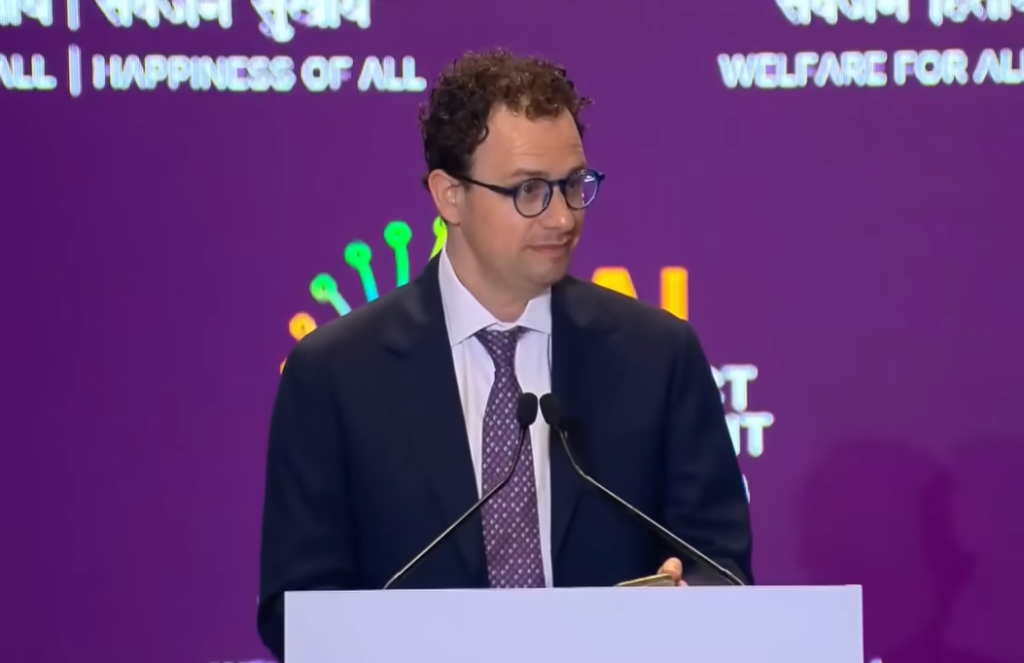
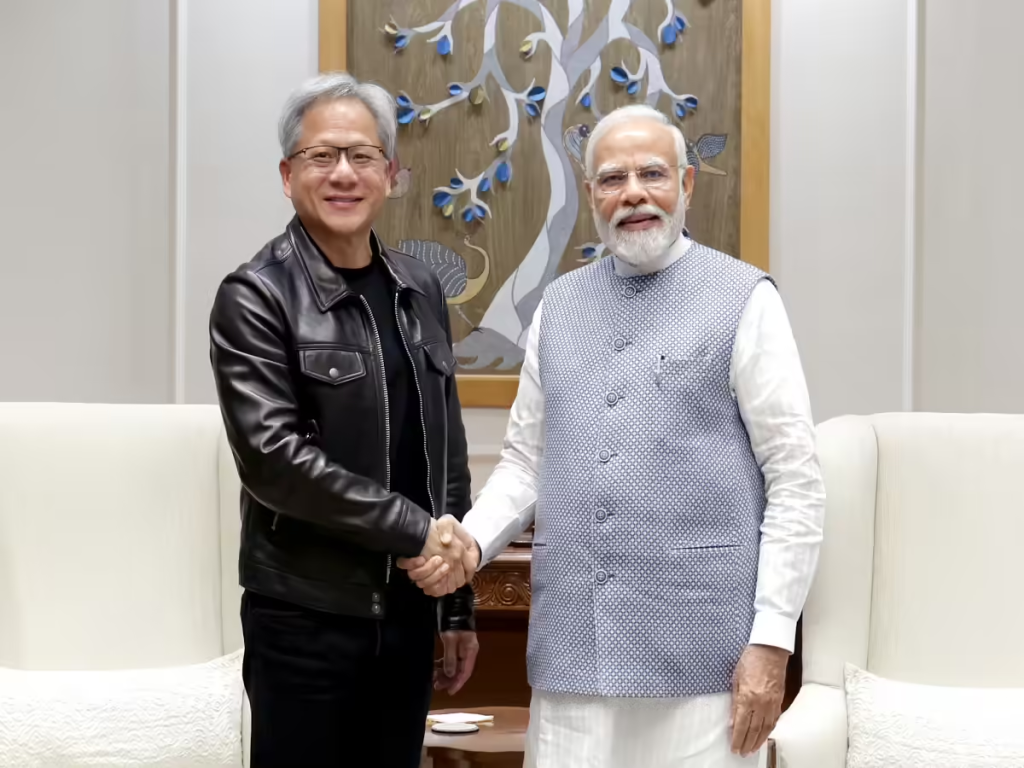
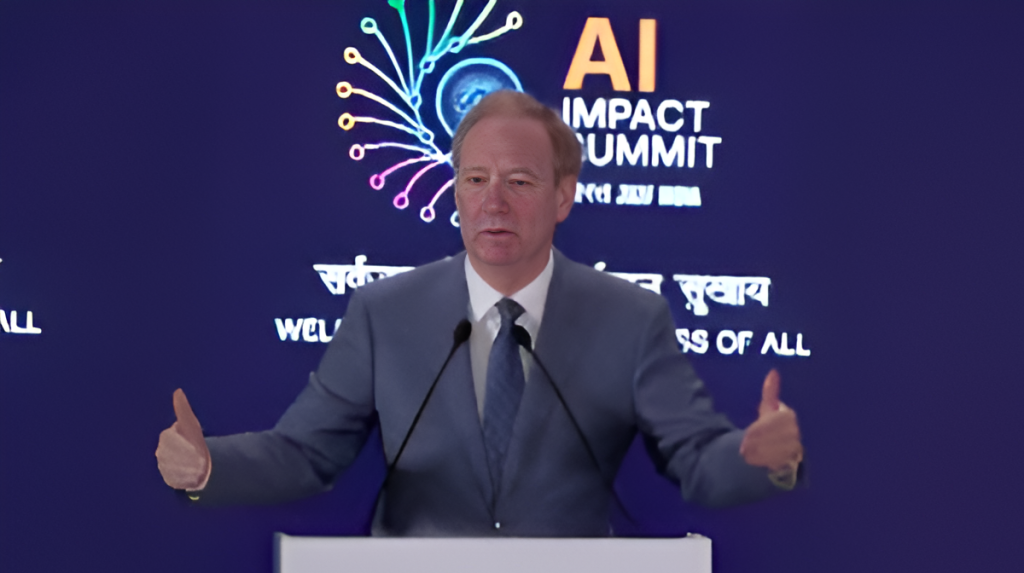
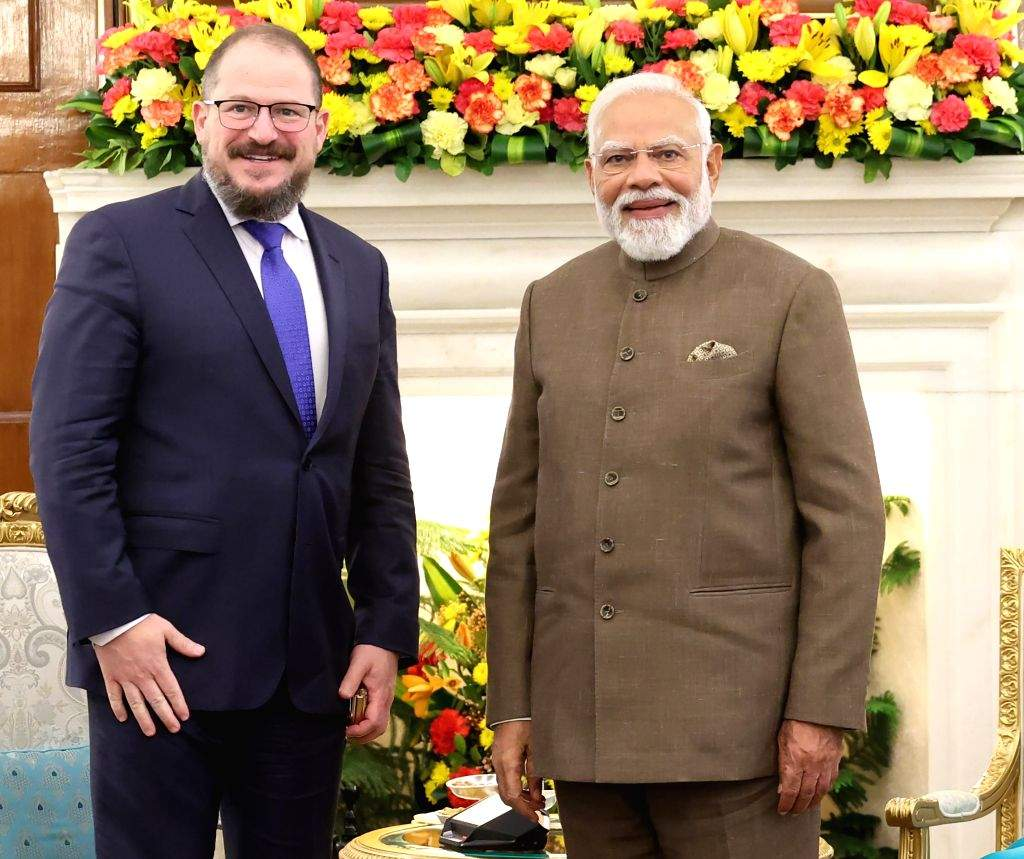
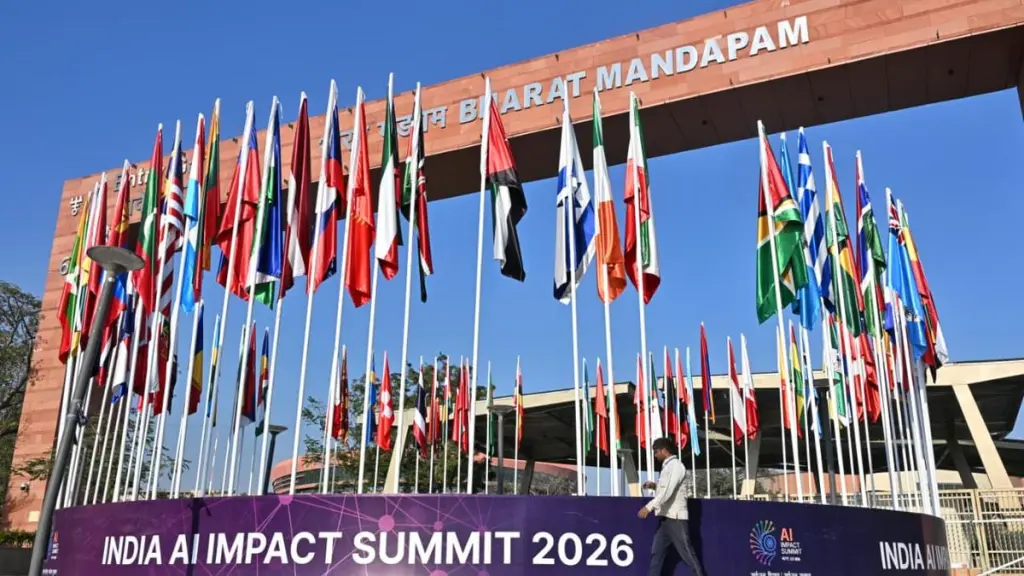
Key moments from the India AI Summit, highlighting global leaders and AI advancements.

Recap of the India AI summit

Table of Contents

Introduction

What if Artificial Intelligence wasn’t built for profit but for people?

In the heart of India, inside the grand halls of Bharat Mandapam, the largest convention centre and exhibition hall, is located within the confines of the Pragati Maidan complex in New Delhi, India. The summit drew over 500,000 participants from 118 countries.

This wasn’t just another technology summit. It was a moment when the future of humanity and AI technology experts stood face-to-face.

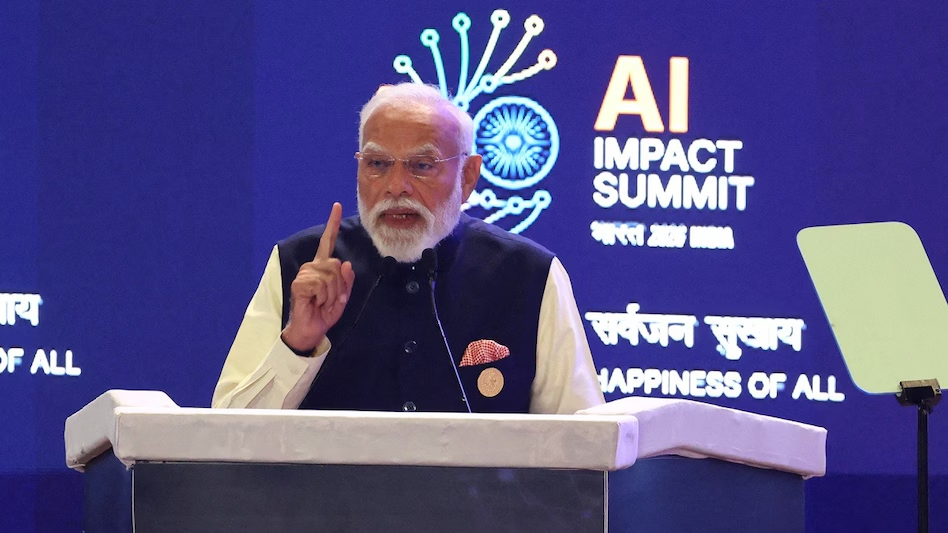
Narendra Modi introduced a powerful idea MANAV

At the center of the stage stood Narendra Modi. He introduced a simple yet powerful idea: मानव, a Hindi word that means “human.” Not machine first. Not profit first. But human first.

M.A.N.A.V stood for:

  • Moral and Ethical Systems
  • Accountable Governance
  • National Sovereignty
  • Accessible and Inclusive AI
  • Valid and Legitimate Systems

It wasn’t just an acronym. It was a reminder. AI must protect dignity. It must empower, not replace.

India, the world’s largest democracy, had begun a bold mission to bring AI to every village, every classroom, every hospital. The message was clear: technology must belong to everyone.

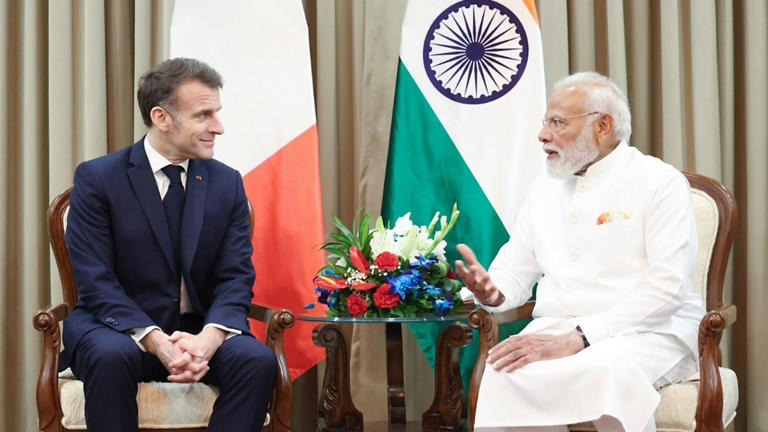
Prime Minister Modi met Emmanuel Macron
Prime Minister Modi with Emmanuel Macron

But the story didn’t begin in India. One year earlier, in Paris, Prime Minister Modi met Emmanuel Macron. In that meeting, a seed was planted.

What if nations didn’t compete for AI dominance but built it together, responsibly? That seed grew into this summit.

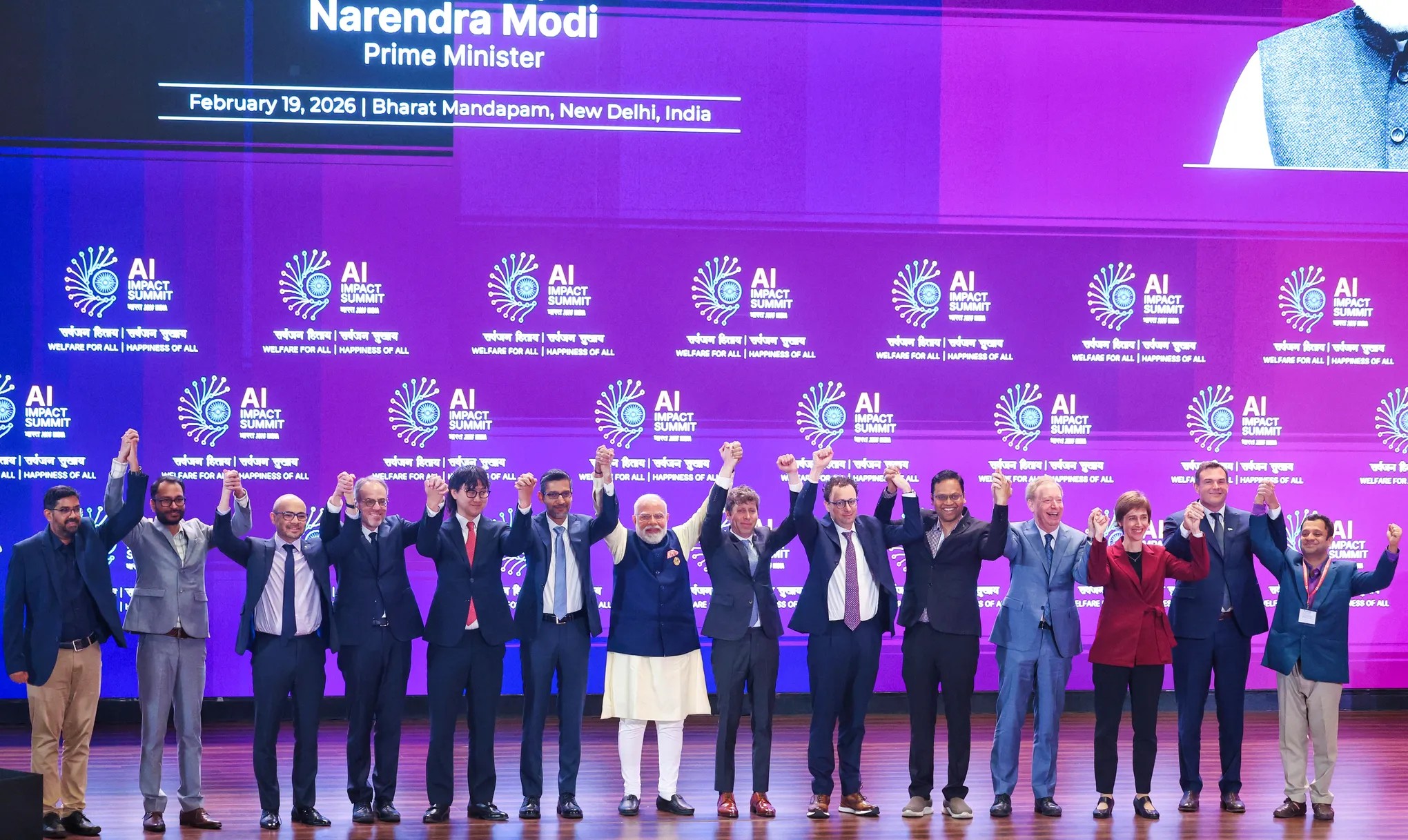
Inside the hall, global leaders, policymakers, researchers, and CEOs listened closely. Companies like Google and Microsoft announced partnerships and investments. But beneath the announcements was something deeper, a shared responsibility.

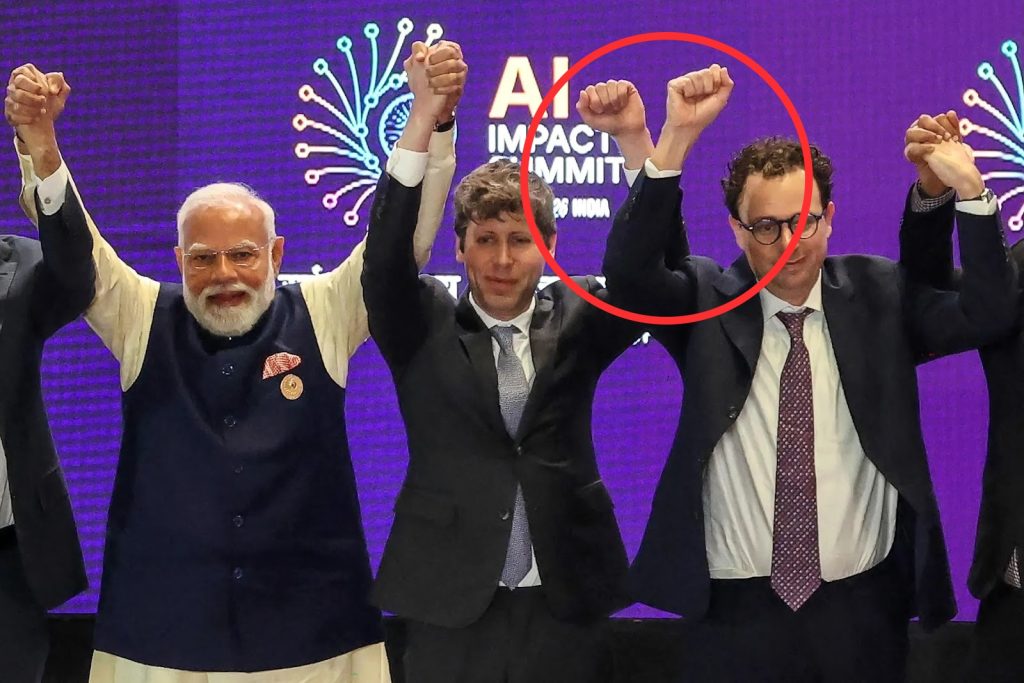
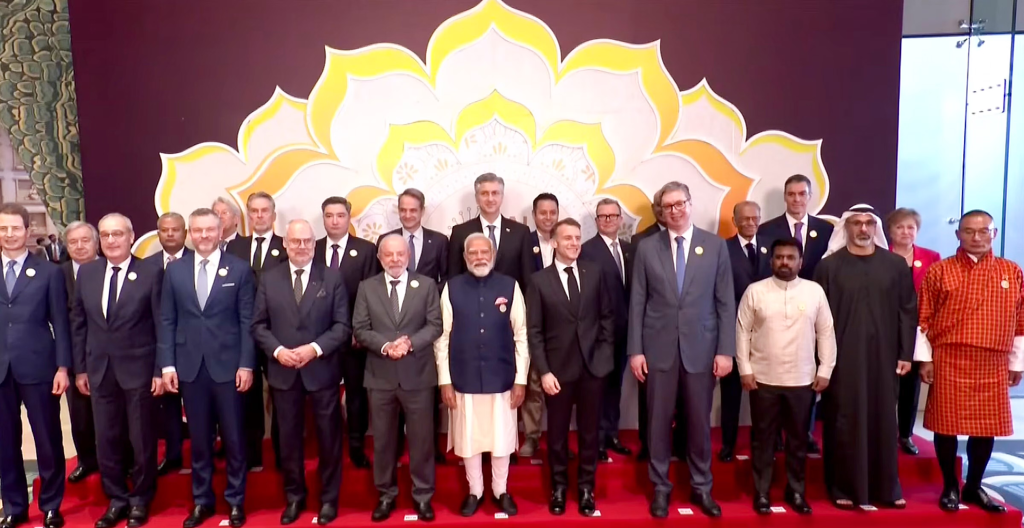
Sam Altman and Dario Amodei raised their fists instead holding hands
Sam Altman and Dario Amodei raised their fists instead of holding hands

While other leaders joined hands, Sam Altman and Dario Amodei raised their fists instead, a gesture that drew attention to the rivalry between OpenAI and Anthropic.

The moment reflects recent public friction, including disagreements over Super Bowl advertising and their shared history. Amodei once held a senior role at OpenAI before leaving in 2021 over differences in AI development and safety priorities.

Altman later said he was unsure about the pose after Narendra Modi lifted his hand, suggesting the awkwardness may have been situational even as it highlighted their ongoing competition and contrasting approaches to AI.

A Sanskrit verse echoed through the gathering:

“Sarvajan Hitaya, Sarvajan Sukhaya” or

“सर्वजनहिताय सर्वजनसुखाय”

It means, “Welfare for All. Happiness for All.

More than a translation, it is an ancient Indian philosophy that says progress should never benefit only a few; it must uplift everyone.

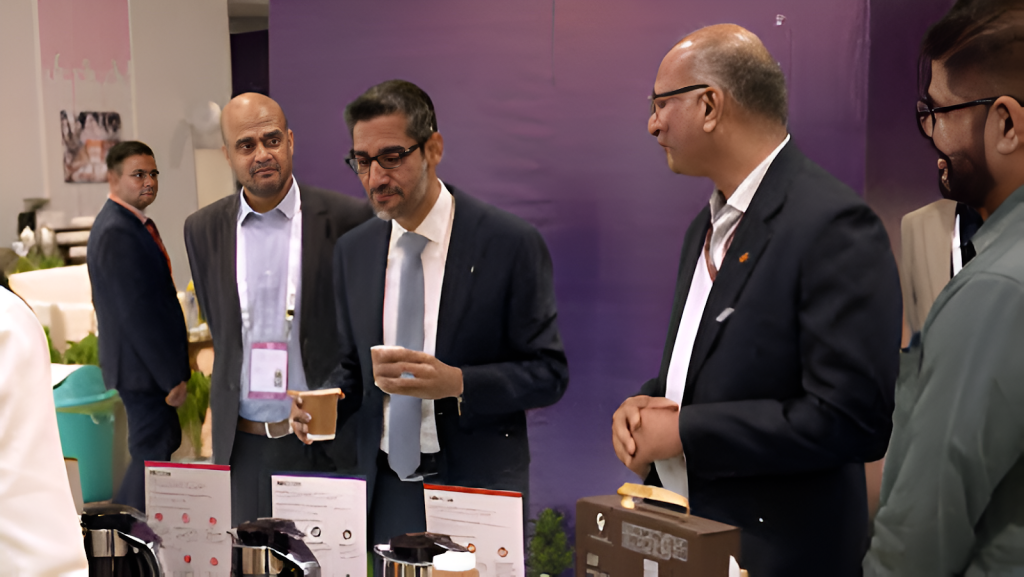
Google CEO Sundar Pichai shared a thoughtful comparison about coffee
Google CEO Sundar Pichai shared a thoughtful insight about coffee

An interesting moment occurred during the summit when Google CEO Sundar Pichai shared a thoughtful comparison. He spoke about coffee from India’s historic Malabar Coast, a region known for its rich aroma and deep flavor.

He explained that coffee tasting is an art of balance. Too strong, and it overpowers. Too mild, and it loses character. The magic lies in getting it just right.

In the same way, AI governance must find a balance. Too many restrictions can slow innovation. Too little oversight can create harm. Like a perfectly brewed cup of Malabar coffee, AI must blend freedom with responsibility, strength with wisdom.

As the summit drew to a close, one truth stood taller than any headline: AI must never replace humanity. It must elevate it. And in that hall in New Delhi, the world didn’t just discuss technology. It chose the kind of future it wants to build together.

Initiatives-International & Corporate Collaboration

Leaders at AI Summit in India

One of the biggest stories out of the AI India Summit and the AI Impact Summit in India was the sheer scale of financial commitments announced, signaling a massive global investment commitment in India’s AI future.

At the AI summit, Union Electronics & IT Minister Ashwini Vaishnaw announced that over $250 billion in investment commitments were secured for AI infrastructure, including:

  • Reliance Industries/Jio ($110B over 7 years) and Adani Group ($100B by 2035) are leading with massive, long-term investments
  • Microsoft pledged $50B for data centers by 2030, while Google reaffirmed a $15B investment to develop AI infrastructure in India
  • The summit focused on building a “sovereign, green-energy-powered AI infrastructure,” with $250B+ targeted for data centers
  • The Indian government announced AI Mission 2.0, emphasizing 5G-like inclusive growth to boost GDP growth
  • Yotta Data Services committed $2 billion to build one of Asia’s largest AI computing hubs powered by the latest chips from NVIDIA.
  • Tata Consultancy Services signed OpenAI as the first customer for its data centre unit under the global AI infrastructure initiative Stargate.
  • Larsen & Toubro partnered with NVIDIA to develop India’s largest AI factory, focusing on AI-ready data centres and advanced computing infrastructure.

At the AI India Summit, global AI governance was not treated as a side discussion; it was central to the agenda.

The conversations echoed international collaboration platforms such as the United Nations and the G20, where AI safety, ethics, and cross-border coordination are increasingly prioritized.

Key Speakers Highlights

The AI Summit 2026 brought together some of the most influential voices shaping the future of Artificial Intelligence. Each leader shared a distinct vision, from safety and ethics to innovation and global cooperation.

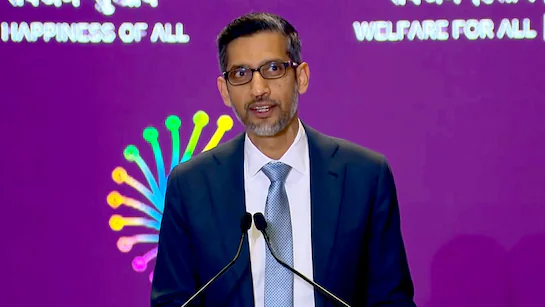
Sundar Pichai: CEO, Google

Sundar Pichai
Sundar Pichai

Sundar Pichai emphasized AI-powered search and knowledge systems that make information more helpful and intuitive. He spoke about responsible innovation and ensuring AI tools remain useful, safe, and widely accessible.

He highlighted collaboration with governments, including discussions with Narendra Modi, on expanding AI access in India.

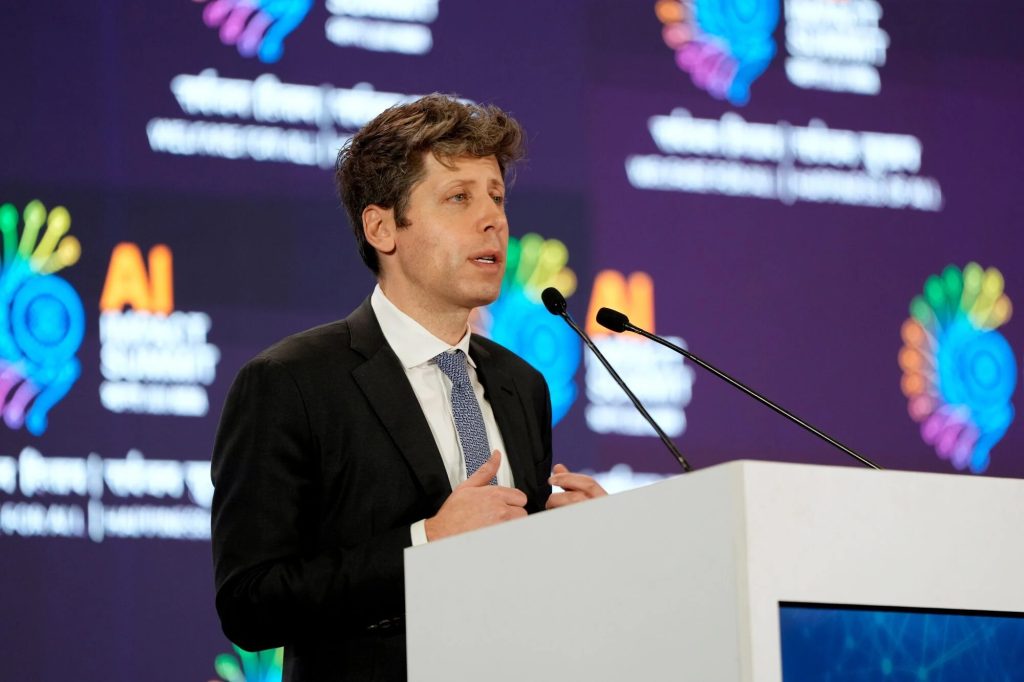
Sam Altman: CEO, OpenAI

Sam Altman
Sam Altman

Sam Altman focused on building safe and aligned AI systems. He stressed that advanced AI must be developed with strong guardrails to ensure it benefits humanity.

He discussed long-term safety, transparency, and global cooperation in AI governance.

Dario Amodei: CEO, Anthropic

Dario Amodei
Dario Amodei

Dario Amodei spoke about ethical AI development and the importance of constitutional frameworks for AI. He emphasized careful scaling of powerful systems to avoid unintended risks.

His message centered on safety-first innovation and responsible deployment.

Jensen Huang: CEO, NVIDIA

Jensen Huang
Jensen Huang

Jensen Huang highlighted the importance of high-performance computing in powering AI breakthroughs. He explained how advanced GPUs are the backbone of modern AI systems.

He stressed the need to build a strong digital infrastructure to support AI growth globally.

Brad Smith: President & Vice Chair, Microsoft

Brad Smith
Brad Smith

Brad Smith often speaks on responsible AI, governance, and policy. Microsoft is deeply integrated into enterprise AI, cloud AI services, and generative AI tools. His participation reflects the growing need for global AI regulation and ethical frameworks alongside innovation.

Cristiano Amon: President & CEO, Qualcomm

Cristiano Amon
Cristiano Amon

Qualcomm plays a major role in edge AI and mobile AI processing. From smartphones to IoT, the company helps bring AI directly onto devices. This aligns strongly with the summit’s focus on democratizing access to AI.

Made in India Innovations

Made in India Innovations

Sovereign AI ensures that AI systems are built on domestically controlled platforms without relying heavily on foreign corporations or external technology providers. It will include control over the entire AI lifecycle:

  • Data collection and storage
  • Model training and fine-tuning
  • Deployment across industries
  • Governance, regulation, and compliance
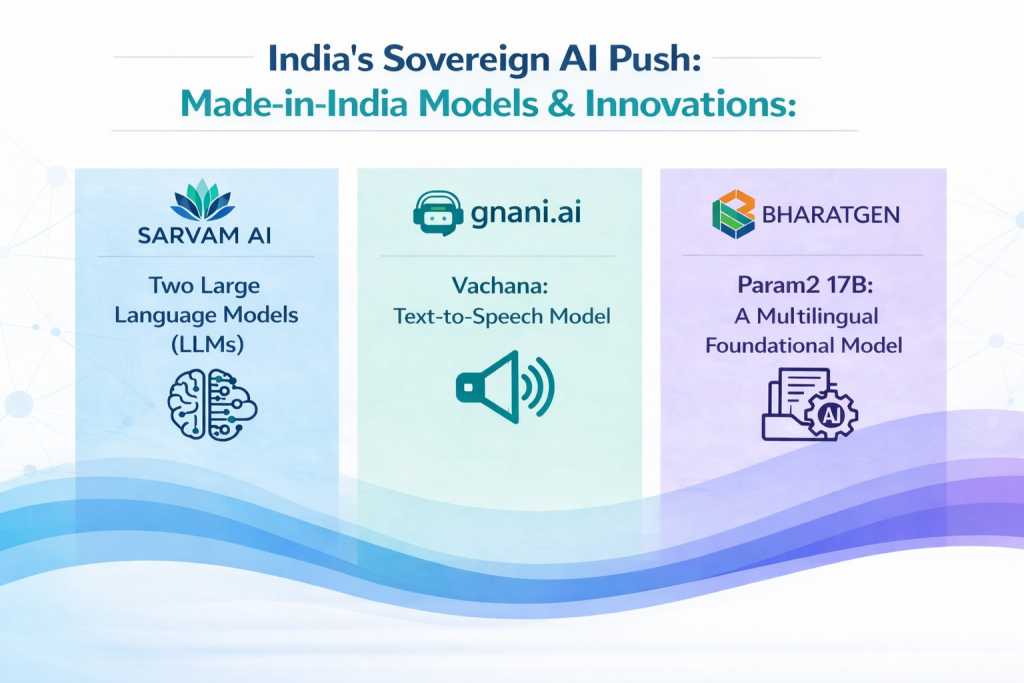
  • Several significant AI models were introduced as part of this Sovereign AI push, showcasing India’s growing capability in foundational AI development

Two Large Language Models (LLMs) by Sarvam AI

Sarvam AI launched two large language models designed to compete with models like DeepSeek R1 and Gemini Flash on multiple benchmarks.:

Large Language Models (LLMs) are advanced AI systems trained on vast datasets to understand and generate human-like text. They power chatbots, content generation tools, coding assistants, and more.

Vachana: Text-to-Speech Model by Gnani.ai

Gnani.ai introduced Vachana, a text-to-speech model capable of cloning human voices across 12 Indian languages.

  • Supports multilingual accessibility
  • Inclusion, particularly in India’s linguistically diverse environment

Param2 17B: A Multilingual Foundational Model by BharatGen

Param2 17B is a Mixture-of-Experts (MoE) model designed to handle multilingual tasks efficiently. It is tailored specifically to Indian languages and societal contexts.

BharatGen represents India’s first government-supported national initiative focused on developing sovereign foundational AI models, aiming to create AI systems deeply aligned with India’s linguistic, cultural, and developmental needs.

How it Impacts India & the World

India AI Summit
India AI Summit

The AI Summit 2026 marks a defining moment for both India and the global community. For India, it reinforces the country’s emergence as a responsible AI leader, driving innovation through homegrown models and strengthening digital sovereignty.

For the world, the summit signals a shift toward collaborative AI governance. It emphasizes that the future of artificial intelligence must be built on transparency, cross-border cooperation, risk mitigation, and equitable access.

No single nation can govern AI alone; global coordination is essential to maximize benefits while minimizing misuse. Ultimately, AI Summit 2026 underscores a shared vision:

AI must be innovative yet accountable, powerful yet safe, and global yet inclusive.

Scroll to Top