

Table of Contents
Introduction
A few years ago, finding a local business meant asking a friend or walking down the street. And this starts with a simple search, such as near me? Whether it’s a finance business, a successful business, or a local coffee shop, they went to Google first for research.
Local SEO (Search Engine Optimization) helps to attract more local searches by optimizing the business’s visibility online. With the advanced digital, businesses start attracting their local customers by creating their online visibility.
Understanding the local search and their intent will not only increase the business’s online visibility but also help to drive more foot traffic. In this blog, we’ll understand the importance of Local SEO and its requirements to attract more local customers and expand your business by increasing their search rankings on Google.
What is Local SEO?
Google My Business SEO (also called Google Business seo) is the process of optimizing your Google Business Profile and your website so you appear more often and higher when nearby customers search for what you do.
- Relevance: Does your profile/content match the query?
- Distance: How close are you to the searcher or specified area?
- Prominence: Reviews, ratings, local citations, backlinks, and overall brand presence.
Dialing these in is the fastest route to more impressions for local seo google, seo google local, and seo local google my business queries.
How Does Local SEO Work?
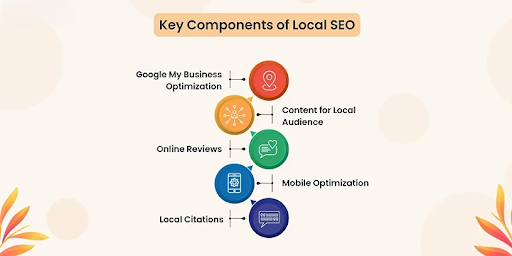
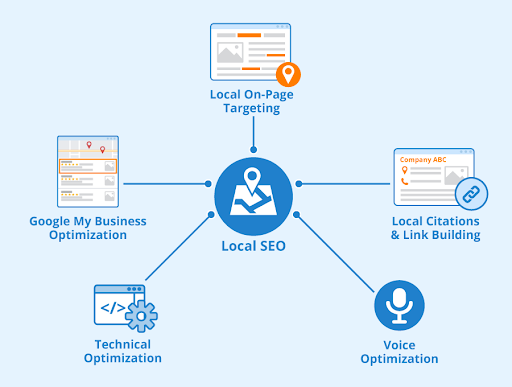
Local SEO optimizations include various elements that help to make the online presence of your business faster. These SEO optimizations include a business profile in Google, like Google My Business (GMB), to get attention for your profile by adding proper citations.
- And if you use local SEO for your business profile, it automatically determines your business location, which helps to solve the local query first.
- A well-optimized local SEO strategy will help your business rank higher in search results, particularly in Google’s Local Pack.
Importance of Local SEO for Businesses
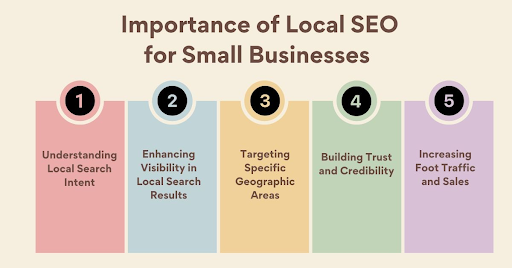
Understanding the proper execution and importance of local SEO for a business profile is the first step to increasing your rank in Google. It includes:
- Maintain the accuracy of Name, Address, and Phone
- Make the photos appear more compelling
- Increase the recent views searches in Google
- Attracts the Local customer first
Understanding Local Search Intent
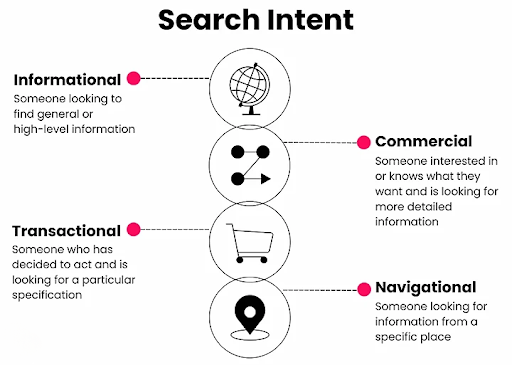
Before you optimize, understand why people search locally:
- Find a nearby option (discovery)
- Get directions or hours (visit-ready)
- Compare reviews (shortlisting)
- Call or message (conversion)
Your job is to map these intents to content and features on your website and in your Google Business Profile so seo google My Business improvements turn intent into action
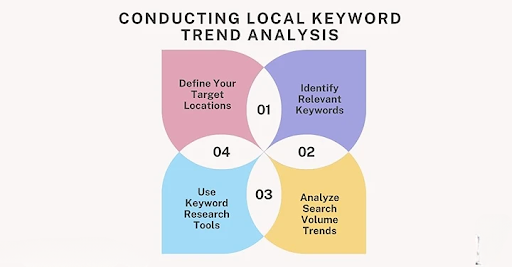
Identifying Relevant Local Keywords
Start with customer language and layer in geography:
- Service + city/area (e.g., “emergency dentist Bandra”)
- Service + neighborhood landmarks
- Long-tail modifiers: “open now,” “best,” “top-rated,” “affordable”
- Branded + service terms for navigational queries
Use the provided advanced Google tools like Google Keyword Planner and Auto-suggesting maps to grab opportunities. Then, structure pages and on-profile content around those terms to support your Google Business seo and site-wide Google Local seo.
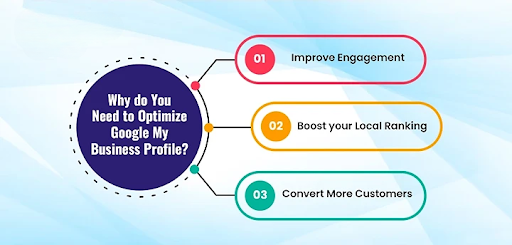
Optimizing Your Google My Business Profile
Your profile is the cornerstone of seo local google my business. Treat it like a living landing page:
- Claim & Verify: Make sure your listing is claimed, verified, and secured. Verification unlocks features and improves trust.
- Perfect Your NAP & Core Details: Keep Name, Address, Phone consistent across the web. Add accurate categories, service areas, attributes, and hours (including holiday hours). Consistency reduces friction and strengthens local seo google my business signals.
- Choose the Right Categories: Pick a precise primary category and relevant secondary categories. This boosts relevance and helps queries map cleanly to your listing—key to google my business local seo.
- Add Services & Products: List services with short, benefit-led descriptions. For products, include titles, prices, and photos. This improves conversion and keyword coverage for seo google my business.
- Write a Compelling Business Description: In 750 characters, explain what you do, where you operate, and why you’re different—naturally weaving in a few local terms to support google my business seo.
- Photos & Videos That Build Trust: Upload crisp exterior/interior shots, team photos, before/after work, and short explainer clips. Fresh media improves engagement and sends positive activity signals for google business seo.
- Posts: Offers, Updates, & Events: Publish weekly Posts with clear CTAs. Highlight promos, seasonal services, and community involvement. Posts can rank for long-tail queries and reinforce seo for google my business.
- Reviews: Request, Respond, Repeat: Ask happy customers for reviews, then reply to every one. Use authentic, helpful language (no stuffing). Reviews are major prominence signals for google local seo.
- Q&A: Seed and Serve: Pre-empt common questions—pricing, parking, turnaround times—and keep answers current. This wins zero-friction conversions from map views.
- Track Insights: Watch discovery vs. direct searches, views, actions (calls, directions), and popular times. Use those insights to refine seo local google my business content and offers.
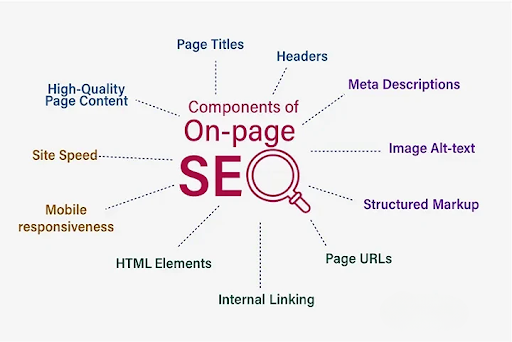
On-Page Optimization for Local SEO
Your website backs up—and amplifies—your profile. Strengthen local seo google with:
Location-Focused Content
Create (or refine) dedicated location/service pages with clear H1s, optimized titles/meta, scannable sections, and unique local copy. Add FAQs to capture voice and long-tail searches that support seo google local.
Smart Internal Linking
Link from blogs and high-authority pages to your location and service pages using descriptive anchors (not just “click here”). This distributes equity and validates topical relevance.
Local Business Schema & Enhancements
Implement LocalBusiness/Organization schema (name, address, phone, hours), plus Breadcrumb and FAQ schema where relevant. This clarifies entities for Google and enriches snippets.
NAP Consistency Site-Wide
Mirror your profile details exactly—header, footer, contact page, and location pages. Consistency equals trust for google business seo.
UX & Performance
Fast Core Web Vitals, mobile-first design, and accessible layouts keep users engaged—sending positive behavioral signals that support google local seo.
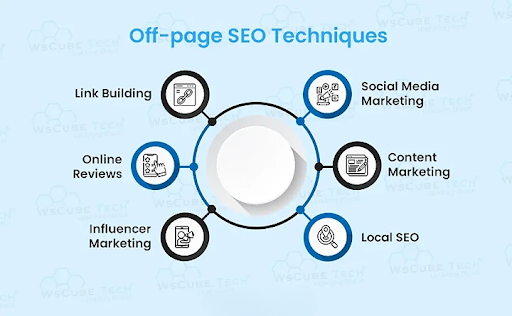
Off-Page Optimization for Local SEO
Location-Focused Content
Create (or refine) dedicated location/service pages with clear H1s, optimized titles/meta, scannable sections, and unique local copy. Add FAQs to capture voice and long-tail searches that support seo google Local.
Smart Internal Linking
Link from blogs and high-authority pages to your location and service pages using descriptive anchors (not just “click here”). This distributes equity and validates topical relevance.
Local Business Schema & Enhancements
Implement LocalBusiness/Organization schema (name, address, phone, hours), plus Breadcrumb and FAQ schema where relevant. This clarifies entities for Google and enriches snippets.
NAP Consistency Site-Wide
Mirror your profile details exactly header, footer, contact page, and location pages. Consistency equals trust for Google Business seo.
UX & Performance
Fast Core Web Vitals, mobile-first design, and accessible layouts keep users engaged, sending positive behavioral signals that support Google Local seo.
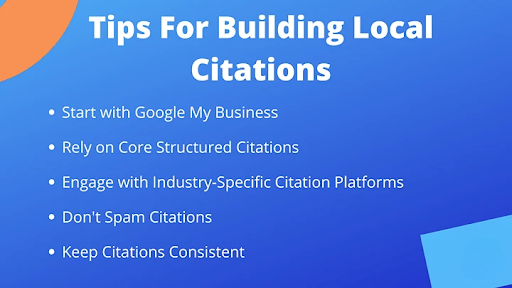
Local citations are mentions of your business on other websites, usually in the form of your Name, Address, and Phone number (NAP).
- These citations typically appear in business directories like Yelp, TripAdvisor, and Yellow Pages.
- Ensuring that your NAP details are accurate and consistent across all local directories is crucial for Local SEO.
- Inconsistent information can confuse search engines and customers, potentially harming your rankings. The more accurate your citations, the more credible your business appears to search engines.
Creating Local Directories
- Listing your business in local directories is a powerful way to improve your visibility and build trust with both users and search engines.
- Make sure to include your business in region-specific directories, community forums, and niche platforms relevant to your industry.
- Local directories are not only useful for attracting nearby customers but also signal to search engines that your business is embedded in the local community.
Engaging in Local Social Media
Social media platforms like Facebook, Instagram, and Twitter offer great opportunities to engage with your local audience. Post regular updates about your business, including promotions, events, and community involvement.
Participating in local conversations and using location-specific hashtags can help increase your brand’s visibility. Engaging with your local community through social media can lead to higher brand awareness, better customer relationships, and improved local SEO performance.
Building Local Backlinks
Backlinks, or links to your website from other reputable websites, are a key ranking factor in SEO. When these Local SEO backlinks come from local sources, such as local news outlets, blogs, or partner businesses, they can greatly enhance your local SEO rankings.
Consider sponsoring local events, collaborating with local bloggers, or hosting community workshops to gain backlinks from credible sources. The more quality backlinks you have from local websites, the stronger your site will appear to search engines.
Local Content Marketing
Content should be scalable and informative for local customers. There are some tips for ideas which will improve the local SEO of Google My Business and on-site relevance too:
- Neighborhood Guides: The Best way to increase the local search engines is to use seasonal tips for city owners.
- Event Tie-Ins: Draft posts for content marketing based on sports events, upcoming conferences, and local festivals.
- Customer Stories: Publish before/after case notes with regulatory permissions by mainly focusing on local results.
Key Performance Indicators (KPIs) for Local SEO
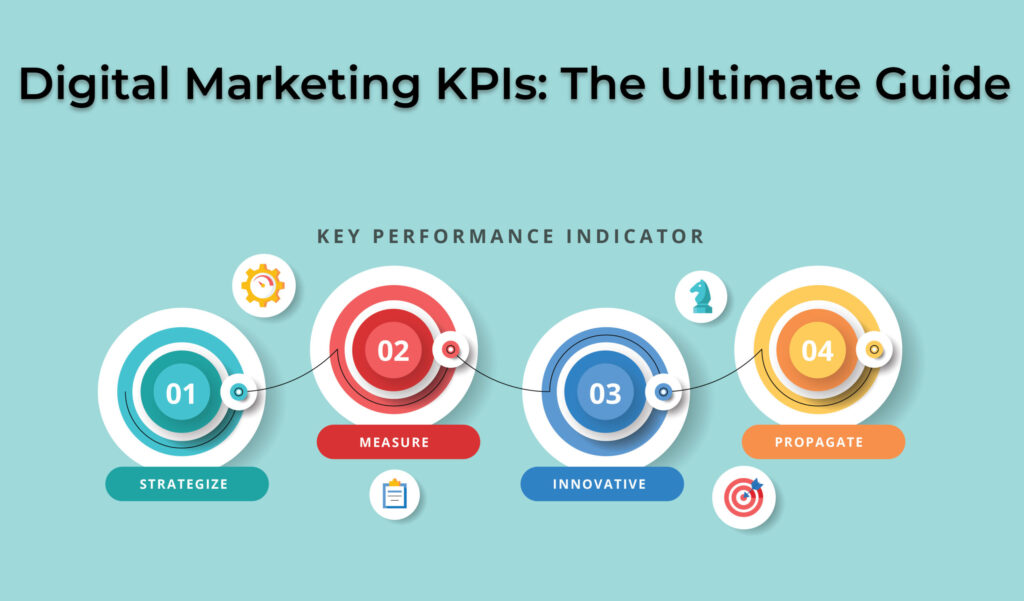
Tracking the right Key Performance Indicators (KPIs) is essential to measure the success of your Local SEO efforts. By monitoring various metrics, you can determine how well your strategy is working and identify areas for improvement. Here are the key metrics you should focus on:
Website Traffic
One of the primary indicators of Local SEO success is an increase in organic traffic, especially from users in your local area.
- Using analytics tools like Google Analytics, you can track how many people visit your site from local searches.
- Pay attention to metrics such as sessions, page views, and bounce rate to understand how well your website engages local visitors.
Search Rankings
Your position on local search engine results pages (SERPs) is a direct reflection of your Local SEO efforts.
- Track the rankings for your target keywords, especially location-specific ones, to see if your website is appearing in the top results.
- Higher rankings typically lead to more visibility and increased traffic.
- Tools like Google Search Console or third-party SEO tools can help you track these rankings over time.
Click-Through Rates (CTR)
- Click-through rates measure how often people click on your website after seeing it in local search results.
- A high CTR indicates that your website’s title and meta descriptions are enticing and relevant to the user’s search query. Regularly optimize these elements to improve your CTR and drive more traffic to your site.
Customer Reviews
Customer reviews on platforms like Google My Business, Yelp, and TripAdvisor are essential for building trust and boosting local rankings.
- Positive reviews not only enhance your reputation but also play a role in how search engines rank your business.
- Monitor the number and quality of reviews you receive, and make an effort to encourage satisfied customers to leave feedback. Responding to both positive and negative reviews can also improve your engagement and credibility.
Using Analytics Tools
To effectively track these KPIs, it’s essential to use the right tools. Here are a few to consider:
- Google Analytics: This tool provides insights into website traffic, user behavior, and demographic information. You can track the number of visitors, where they’re coming from, and what actions they take on your site.
- Google Search Console: Google Search Console helps you monitor your search rankings, track keyword performance, and identify any issues affecting your website’s visibility in search results.
- Local SEO Tools: Tools like Moz Local, BrightLocal, and SEMrush can help you track your local citations, monitor your online reviews, and analyze your overall local search performance.
By using these tools, you can gain a comprehensive understanding of how well your Local SEO strategy is performing and where adjustments may be needed.
Conclusion
Local SEO (Search Engine Optimization) helps to attract more local searches by optimizing the business’s visibility online. Understanding the local search and their intent will not only increase the business’s online visibility but also help to drive more foot traffic.
Use the provided advanced Google tools like Google Keyword Planner and Auto-suggesting maps to grab opportunities. Local SEO and its requirements to attract more local customers and expand your business by increasing their search rankings on Google.
Always consult with an expert while implementing and optimizing the Local SEO. Our teams will provide the experts with a comprehensive guide in digital marketing services to make your business profile more viewed and searched in today’s competitive landscape.
To track local performance and user behavior, businesses should regularly monitor insights using Google Analytics, which provides detailed data on website traffic, engagement, and conversions from local searches.
Deepak Wadhwani has over 20 years experience in software/wireless technologies. He has worked with Fortune 500 companies including Intuit, ESRI, Qualcomm, Sprint, Verizon, Vodafone, Nortel, Microsoft and Oracle in over 60 countries. Deepak has worked on Internet marketing projects in San Diego, Los Angeles, Orange Country, Denver, Nashville, Kansas City, New York, San Francisco and Huntsville. Deepak has been a founder of technology Startups for one of the first Cityguides, yellow pages online and web based enterprise solutions. He is an internet marketing and technology expert & co-founder for a San Diego Internet marketing company.