


Table of Contents
- Introduction
- The Global Backdrop: Fragile Growth and Escalating Risks
- A Spirit of Dialogue”: Why It Matters
- Geopolitics: When World Order Is Debated in Davos Halls
- AI, Jobs & the Future of Work: Promise and Peril
- Jobs, Skills & Inequality: Human Capital at the Heart of Progress
- Economic Systems & Trade: A Fragmented Global Order
- Climate, Water & Blue Economy: Environmental Imperatives
- Global Health & Pandemic Preparedness: A Ticking Time Bomb
- What Davos 2026 Means for the Future
- Conclusion
Davos 2026 Summit
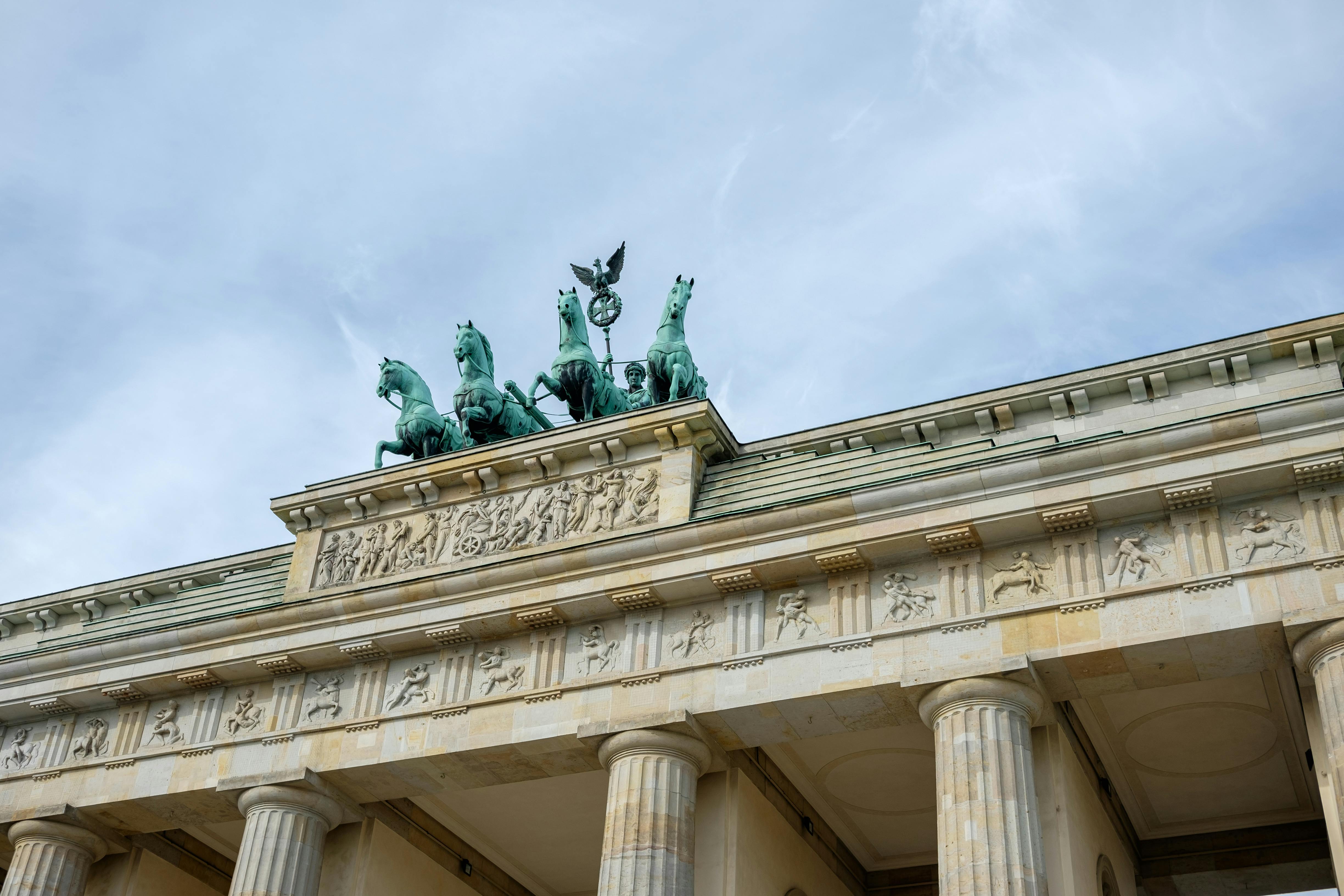
The Davos World Economic Forum 2026 annual meeting in Davos-Klosters, Switzerland, serves as a global economic sentiment barometer, a platform for examining geopolitical trends, and a forum for leadership priorities.
In Davos World Economic Forum 2026, the summit forum’s theme is “A Spirit of Dialogue,” which will focus on geopolitical competition, technological disruption, financial volatility, and social uncertainty.
Bringing together nearly 3,000 leaders from over 130 countries, which will include the head of state, CEOs of the world’s biggest companies, economists, technologists, and civil society representatives.
The Davos 2026 summit will look to reframe the cooperation at a time when old certainties are dissolving, and new ones are emerging.
The Global Backdrop: Fragile Growth and Escalating Risks
The outlook of Davos World Economic Forum 2026 is to be growth cautious, which will focus on modest level forecasts, reflecting persistent inflationary pressures, high debt burdens, and ongoing geopolitical headwinds.
The expansion of trade is getting slower, and traditional engines’ growth is becoming a global supply-chain integration. Geo-economic confrontation will focus strategically on the usage of trade, sanctions, tariffs, and economic policy due to short-term global risk.
This is not only about the economics but also about how the economic tools are embedded strategically among major states. The Davos World Economic Forum 2026 summit agenda will be less focused on optimism but more on urgency, which includes how to sustain cooperation in the age of congestion.
A Spirit of Dialogue in Davos World Economic Forum 2026: Why It Matters
A Spirit of Dialogue in Davos World Economic Forum 2026 sounds more ucontroversial but in 2026 it will carry the real weight. Because this dialogue will not only be a mere conversation but a commitment to build trust, ease strategic competition, and find common ground for cooperation.
Leaders will continuously emphasized on multilaterialist, which focuses on ideas where nations will solve global challenges together with integration. There will be a new fault line in trade, technology, governance, and climate strategy to shift alliances and consensus to achieve.
Geopolitics: When World Order Is Debated in Davos Halls
One of the most notable parts of Davos World Economic Forum 2026 was how deeply geopolitical tensions influenced discussions. French President Emmanuel Macron warned of a world drifting “towards a world without rules,” where international norms are increasingly ignored in favor of power plays.
His words focus on central tensions where the institutions will be tested by assertive national strategies. And, at the same time, the European leaders will include Ursula von der Leyen, who pays attention to rising concerns over security challenges in the Arctic.
It will give an economic interest, a security policy, and competition for new coverage in theaters for global influence. This geopolitical demonstration will not be abstract but more about debates on trade policies and tariffs.
It will cover disputes like Greenland spilled into the economic conversations, underscoring how deeply politics and economics are intertwined.
AI, Jobs & the Future of Work: Davos World Economic Forum 2026
Another central theme at Davos World Economic Forum 2026 was the impact of artificial intelligence (AI) on economies, jobs and global competitiveness. The speaker will focuses of AI possibilities but as an economic force in 2026.
Thinking to add a trillion dollars to the global economy by 2023 to disrupt market labor and social structures. This report will include an outline of four possible futures for jobs in the age of AI, which also explains the uneven adoptions that exacerbate inequality.
Many business leaders, including the chairman of PwC, may sound more cautious. According to Mohamed Kande, over half of companies are not yet realizing meaningful returns from their AI investments, due to insufficient groundwork like workforce adaptation.
Beyond value creation in corporate, speakers focus on AI’s impact on employment will be uneven. Because a new role is merging in market and workers couldn’t find themselves in reskilling programs, which makes the workforce development more stressed at Davos World Economic Forum 2026.
Jobs, Skills & Inequality: Human Capital at the Heart of Progress
AI was linked closely to broader discussion in jobs and skills. After the evolution of work, the technological displacement and demographic skills will not just be a policy priority but more an economic imperative.
Reports highlighted that 22% of jobs worldwide are expected to change significantly in the next five years due to technological advances, which will rise the urgent demand for reskilling initiatives.
Many sessions focused on gender dynamics in the future economy, arguing that investing in women, especially in STEM fields and high-growth sectors, is one of the most effective strategies to build resilient economies in the age of AI and digital transformation.
This planning of the Davos World Economic Forum 2026 summit will not only focus on underscoring the economic logic of inclusive growth but also the moral imperative of narrowing persistent gender gaps in new-economy opportunities.
Economic Systems & Trade: A Fragmented Global Order
One of the clearest parts of the Davos World Economic Forum 2026 summit is that the evolution of globalization is not ending. The World Economic Forum outlined how trade is shifting toward a multi-nodal system with regional blocs, South-South cooperation, and diversified supply chains.
This framework of Davos World Economic Forum 2026 brings complexity in business to manage the compliance across varied regimes, and governments face pressure to balance openness with strategic self-interest amid geopolitical competition.
This idea i slinked with the supply-chain volatility, which is now structural rather than cyclical. Drivers such as geopolitical fragmentation, rising tariff barriers, and resource constraints have transformed supply-chain strategy.
Shifting the emphasis away from solely efficiency gains toward resilience, adaptability, and ecosystem integration.
Climate, Water & Blue Economy: Environmental Imperatives
Although geopolitics and technology dominated headlines, environmental issues retained a significant presence at Davos World Economic Forum 2026, especially around water and climate resilience.
2026 was designated the “Year of Water,” with discussions at Davos World Economic Forum 2026 highlighting how water systems, from freshwater scarcity to ocean health, are central to economic stability and ecological sustainability.
The Davos Economic Forum 2026 showcased initiatives like the Water Resilience Challenge and innovations in blue food systems, pointing to how environmental action must be integrated into economic planning rather than treated as an add-on.
Global Health & Pandemic Preparedness: A Ticking Time Bomb
Another critical topic at Davos was preparedness for future pandemics. World Economic Forum experts warned that despite the lessons of COVID-19, the world remains insufficiently prepared for another global health crisis, especially as climate change and political fragmentation increase outbreak risks.
This warning resonates with other discussions on resilience, illustrating that national systems and global coordination must evolve in tandem if future shocks are to be managed effectively.
What Davos World Economic Forum 2026 Means for the Future
As the Davos World Economic Forum 2026, a central theme remains clear: the world is at a crossroads where cooperation must adapt to complexity rather than assume consensus.
The issues debated, economic fragmentation, AI’s transformative impact, geopolitical competition, environmental stress, and workforce transitions, are interconnected. Solutions cannot be siloed. They require cross-sector collaboration and sustained commitment to dialogue, even in disagreement.
Davos World Economic Forum 2026 may not have resolved the major tensions it explored, but it highlighted where global leaders believe solutions must lie in dialogue that translates into concrete cooperation, resilient economic strategies, and inclusive policies that leave no country or community behind.
Conclusion
The Davos World Economic Forum 2026 focuses on challenges confronting the global community today that are too complex, interconnected, and far-reaching to be addressed in isolation.
While the theme “A Spirit of Dialogue” emphasized conversation, the real test lies beyond dialogue in decisive action, policy coherence, and sustained cooperation. Davos 2026 did not offer instant solutions, nor was it expected to. Instead, it served as a mirror to the global order, revealing both its fractures and its possibilities.
The real impact of the Davos World Economic Forum 2026 will be measured not by speeches delivered in the Swiss Alps but by policies implemented, partnerships strengthened, and people empowered across nations.

Deepak Wadhwani has over 20 years experience in software/wireless technologies. He has worked with Fortune 500 companies including Intuit, ESRI, Qualcomm, Sprint, Verizon, Vodafone, Nortel, Microsoft and Oracle in over 60 countries. Deepak has worked on Internet marketing projects in San Diego, Los Angeles, Orange Country, Denver, Nashville, Kansas City, New York, San Francisco and Huntsville. Deepak has been a founder of technology Startups for one of the first Cityguides, yellow pages online and web based enterprise solutions. He is an internet marketing and technology expert & co-founder for a San Diego Internet marketing company.