

Everything You Need to Know About India AI Impact Summit 2026

Table of Contents

Introduction

Artificial intelligence is quickly becoming part of everyday life in India. From digital payments and smart governance to agriculture and healthcare, AI is helping to solve real-life problems at scale.
India is not just adopting AI, it is actively building systems and policies to use it responsibly. Countries around the world are pushing AI forward in sectors like healthcare, patient monitoring, technology, automation, and smarter digital services.

Nations are investing heavily in AI chips that make advanced computing possible. This global momentum sets the stage for a bigger conversation. With this summit, India is setting the direction for how AI can shape a better future for all.

Event Overview

If you want a quick look at the scale and significance of the India AI Impact Expo 2026, here are the essentials.

When & Where

  • Dates: February 16–20, 2026
  • Venue: Bharat Mandapam, New Delhi
  • Duration: 5 days of impact-driven programming

Expo at a Glance

  • 300+ exhibitors presenting real-world AI solutions
  • 30+ participating countries
  • 10+ thematic pavilions covering diverse AI sectors
  • A global platform focused on AI for good
  • Strong emphasis on People, Planet, and Progress
  • Exploration of AI’s role in social, environmental, and economic development

The Three Sutras Guiding the Future of AI

The Three Sutras Guiding the Future of AI

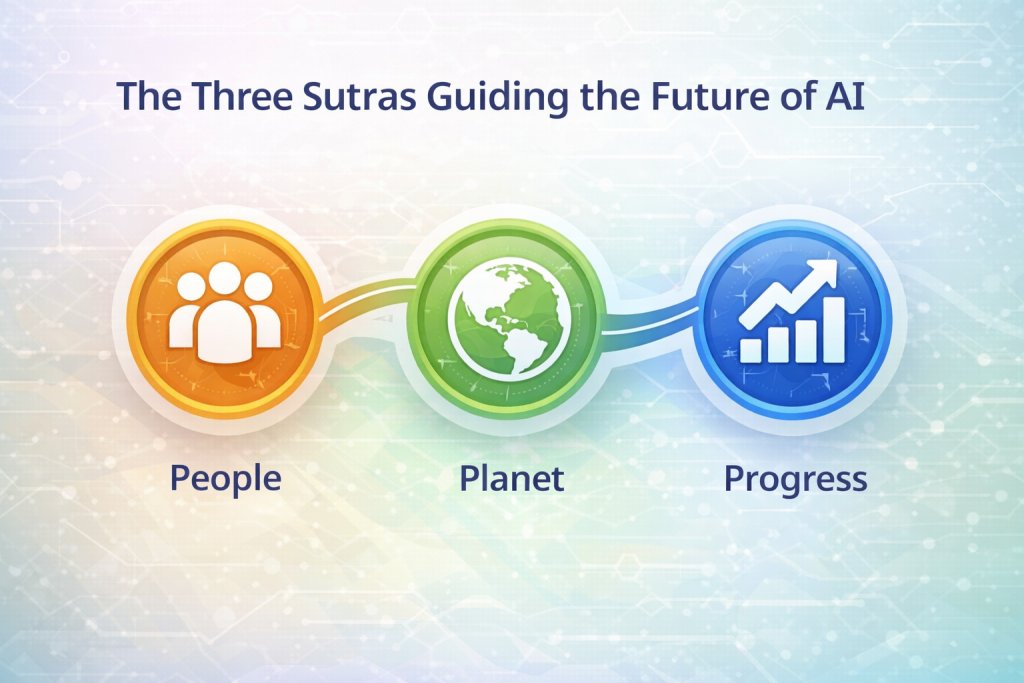
The summit is anchored in three guiding principles, called Sutras. These Sutras shape how AI should be developed and applied.

People

AI must serve humanity in all its diversity. It should protect dignity, respect rights, and ensure that innovation is inclusive. The focus is on making sure AI does not benefit only a few but supports many.

Planet

Technology and sustainability must go together. AI innovation should support environmental care, climate action, and responsible resource use. Growth should not come at the cost of the planet.

Progress

AI-driven progress must be shared fairly. The goal is global development and prosperity, not concentrated advantage. Progress should lift societies, not widen gaps.
These three ideas form the foundation of the summit’s broader global vision.

The Seven Chakras of Global Cooperation

The Seven Chakras of Global Cooperation

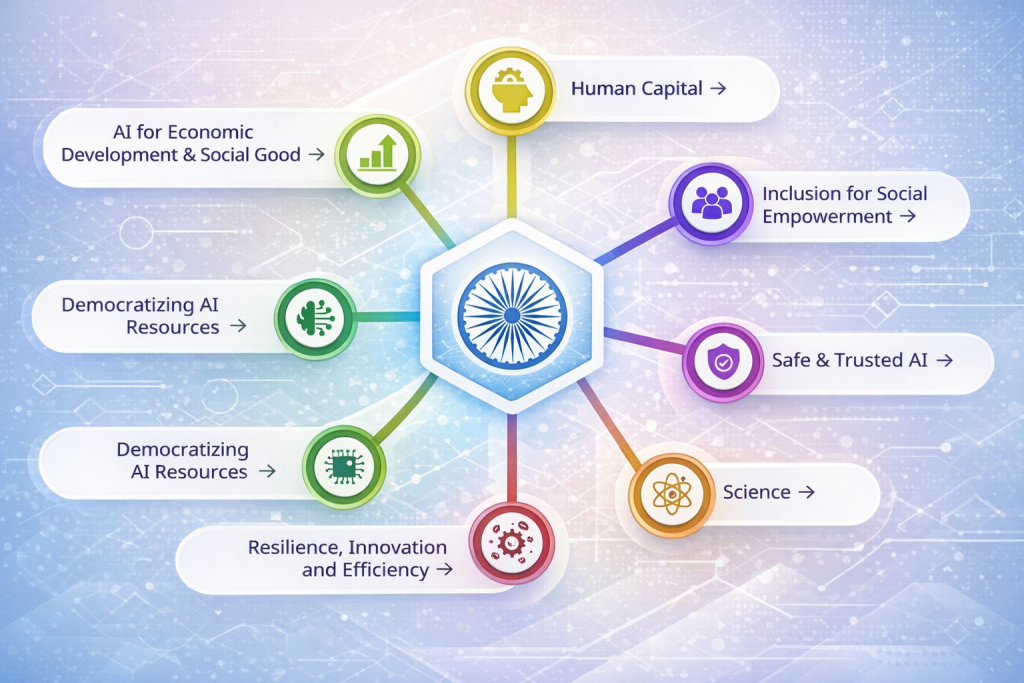
To turn principles into action, the summit introduces the concept of the Seven Chakras. These represent key themes for international collaboration and measurable outcomes.

They include:

  • Human Capital – building skills and knowledge for the AI age
  • Inclusion for Social Empowerment – ensuring no group is left behind
  • Safe and Trusted AI – strengthening trust, safety, and ethics
  • Science – advancing research and evidence-based innovation
  • Resilience, Innovation, and Efficiency – preparing systems for future challenges
  • Democratizing AI Resources – widening access to tools and infrastructure
  • AI for Economic Development and Social Good – using AI to improve lives

Together, these Chakras guide countries and institutions toward meaningful cooperation instead of isolated efforts.

Keynote Speakers at the Global Stage

One of the most striking aspects of the summit is the scale of participation. It brings together some of the world’s most influential leaders from technology, business, and policy.

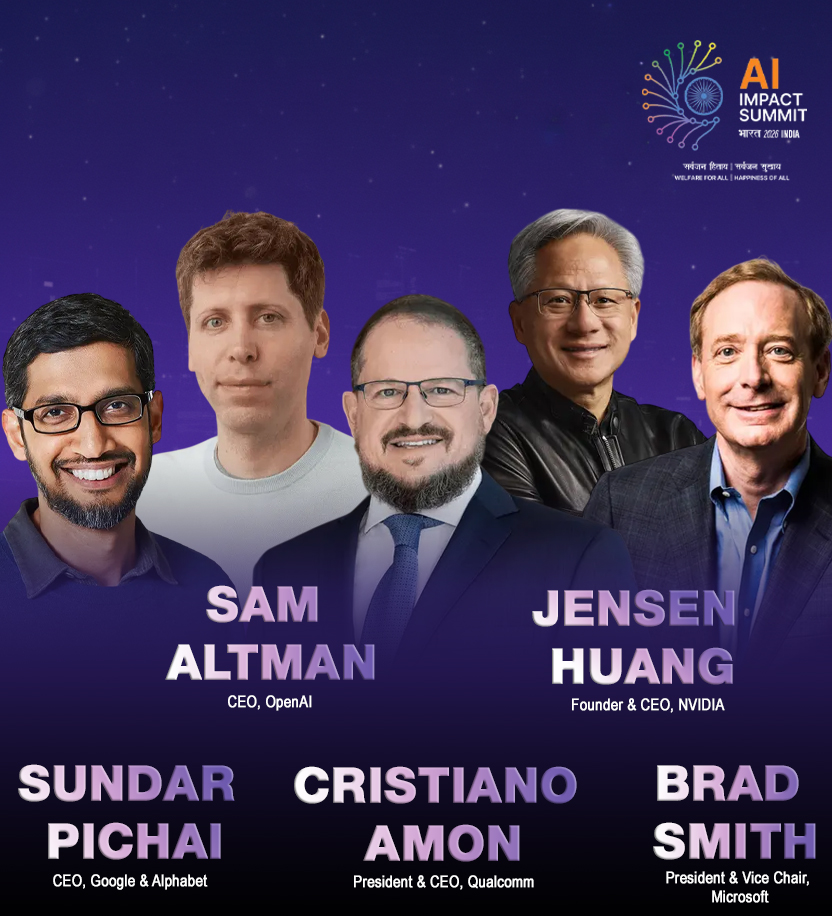
Global figures from companies like NVIDIA, Microsoft, Google, OpenAI, Qualcomm, Adobe, and Salesforce are expected alongside major Indian industry leaders from Reliance, Infosys, Tata, Wipro, HCLTech, and more.

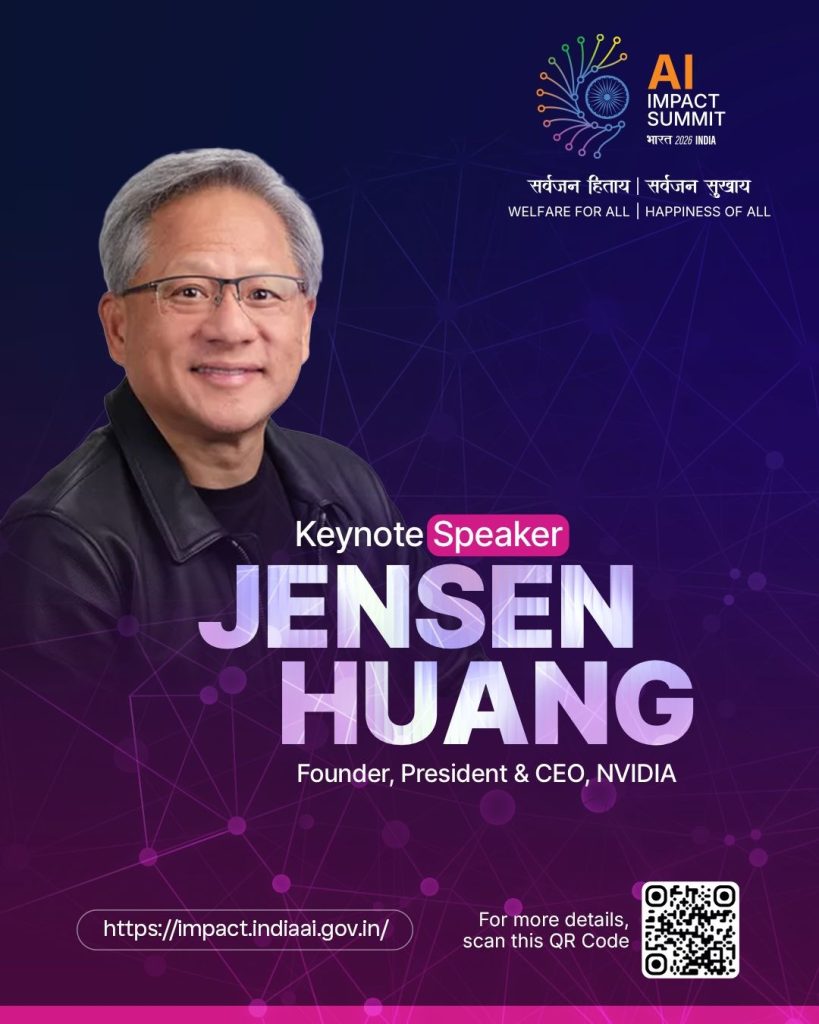
Jensen Huang – Founder & CEO, NVIDIA

Jensen Huang – Founder & CEO, NVIDIA
Jensen Huang leads the company behind much of today’s AI computing power. NVIDIA’s GPUs are the backbone of modern AI training and deployment. His presence highlights how critical AI hardware and compute infrastructure are to the future of AI development worldwide.

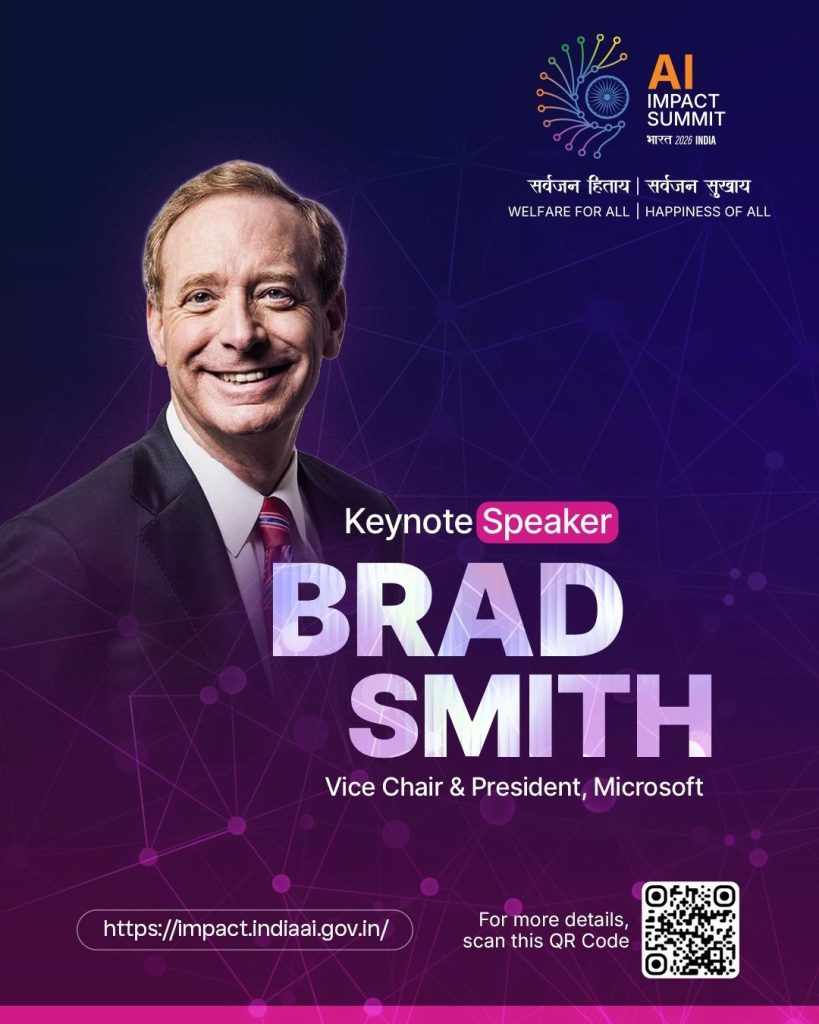
Brad Smith – President & Vice Chair, Microsoft

Brad Smith – President & Vice Chair, Microsoft

Brad Smith often speaks on responsible AI, governance, and policy. Microsoft is deeply integrated into enterprise AI, cloud AI services, and generative AI tools. His participation reflects the growing need for global AI regulation and ethical frameworks alongside innovation.

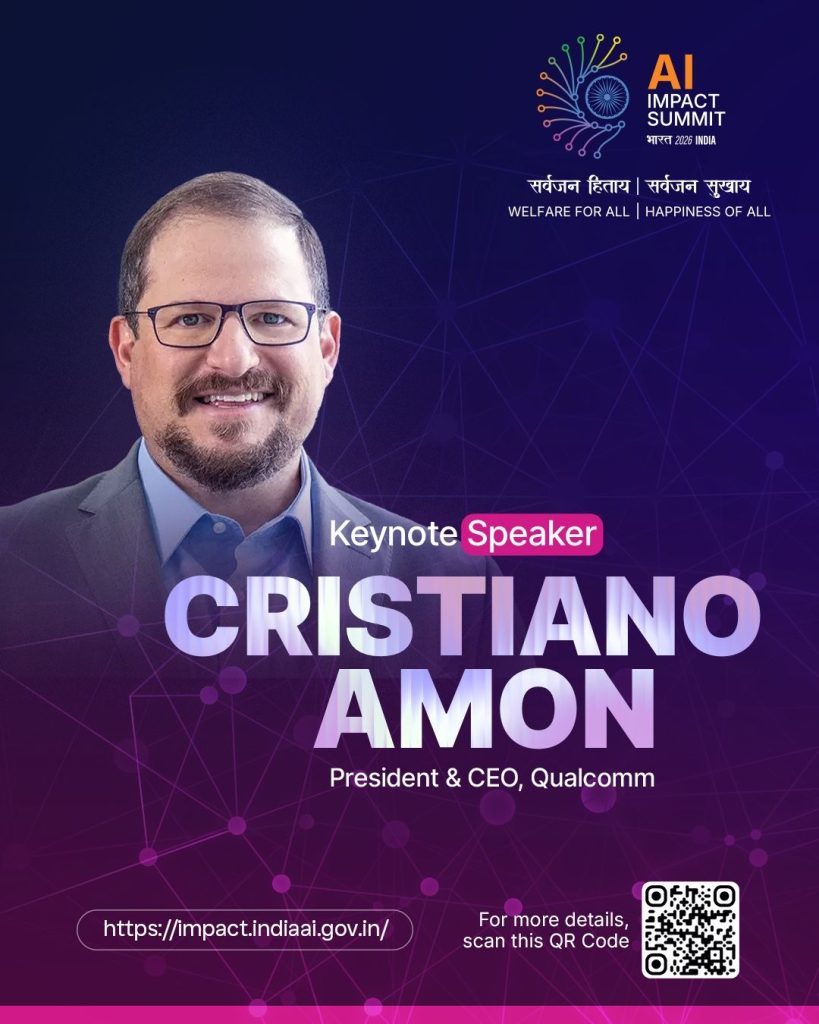
Cristiano Amon – President & CEO, Qualcomm

Cristiano Amon – President & CEO, Qualcomm

Qualcomm plays a major role in edge AI and mobile AI processing. From smartphones to IoT, the company helps bring AI directly onto devices. This aligns strongly with the summit’s focus on democratizing AI access.

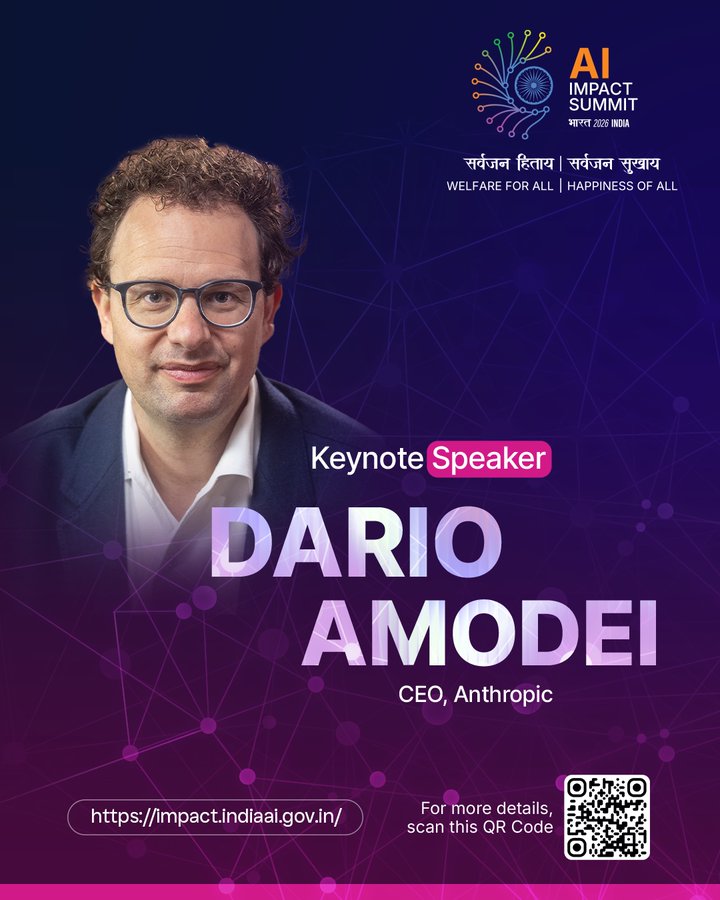
Dario Amodei, CEO and Co-Founder, Anthropic,

Dario Amodei, CEO and Co-Founder, Anthropic,

Dario Amodei leads Anthropic, an AI company focused on building powerful AI systems with a strong emphasis on safety and responsibility. His work centers on making AI reliable and aligned with human values.

At the India AI Impact Summit 2026, his presence highlights the importance of AI safety, trust, and responsible innovation as AI continues to grow worldwide.

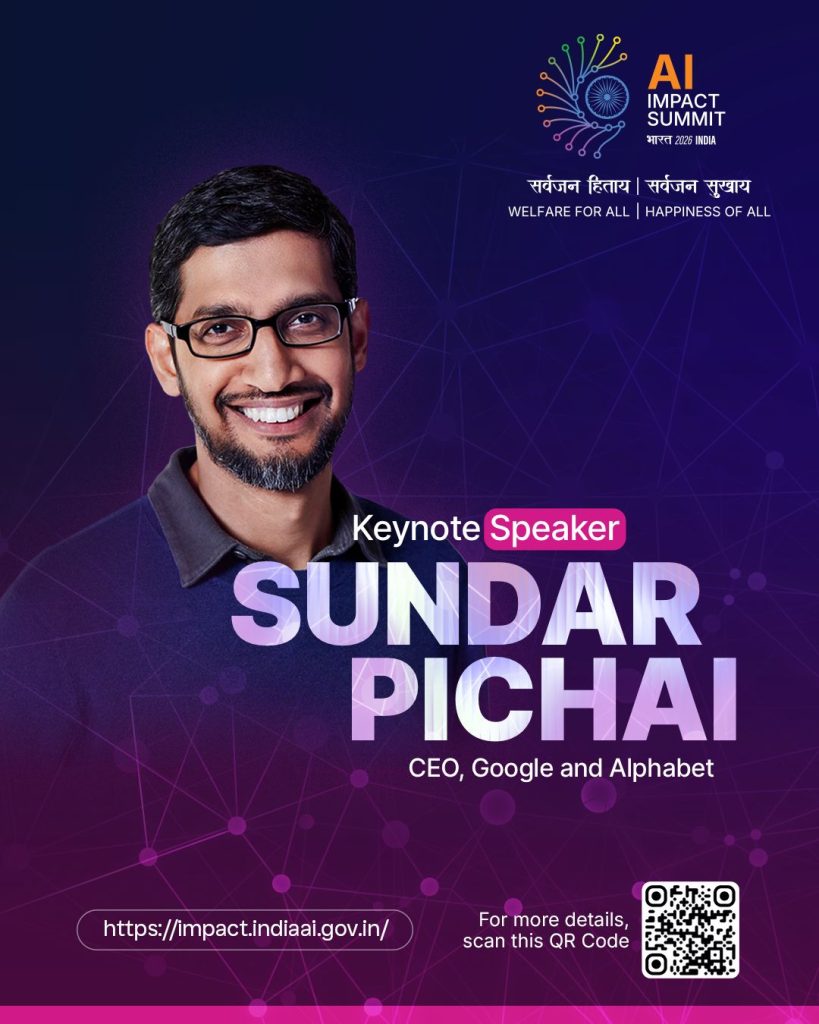
Sundar Pichai – CEO, Google & Alphabet

Sundar Pichai – CEO, Google & Alphabet

Google remains one of the biggest AI research and deployment leaders, from search to healthcare AI. Sundar Pichai’s involvement signals the importance of AI at internet scale and how AI is reshaping everyday digital experiences for billions of users.

When leaders from chip makers, cloud providers, AI labs, and enterprise platforms gather in one place, it signals more than networking. It shows alignment on where AI is heading and how it should be governed, scaled, and shared.

Flagship Events at the Summit

The summit is supported by several flagship initiatives designed to turn ideas into action.

  • India AI Impact Expo 2026: A large showcase featuring hundreds of exhibitors from dozens of countries. It highlights real AI solutions across multiple sectors.
  • AI For ALL: Global Impact Challenge: A platform for identifying scalable AI solutions that can create large-scale social impact.
  • AI by HER: Global Impact Challenge: Focused on gender equity and inclusive innovation, this initiative promotes women-led and Global South innovations.
  • Research Symposium: An interdisciplinary space where researchers and practitioners share frontier work and build collaborations.
  • YUVAi – Global Youth Challenge: A platform for young innovators aged 13–21 to present AI solutions to real-world problems.

These initiatives show that the summit is not only for leaders, but also for startups, researchers, and youth.

Conclusion

The India–AI Impact Summit 2026 represents a shift from conversation to commitment. The summit brings together heads of state, policymakers, startups, academia, investors, NGOs, youth innovators, and media voices from across the world.

Pre-summit events across India and internationally focus on topics like ethical AI, digital health, education, sustainability, and public infrastructure. These sessions help build momentum and ensure that the main summit leads to real collaboration.

Through this summit, India positions itself as a bridge between innovation and impact, encouraging the world to see AI not just as a technology but as a tool for collective progress.

Scroll to Top