
The term "engagement" describes how consumers engage with digital platforms, brands, or content. When people view or interact with online content, their level of attention, interest, and involvement is measured.
Because it shows audience interest, content relevance, and the success of digital marketing tactics, engagement is an essential performance metric.
Engagement demonstrates whether or not an audience is connecting with the content. Content that is ignored has low engagement, whereas a post that receives a lot of likes, comments, or shares has high engagement.
In contrast to traffic, which counts the number of users who visit a platform, engagement concentrates on what those users do once they get there. High engagement typically indicates that users find the content valuable, engaging, and relevant.
Engagement is a key player in determining success in online marketing for several reasons:
Plus, search engines and social media platforms tend to prioritize content that garners higher engagement, making it easier to connect with a larger audience.
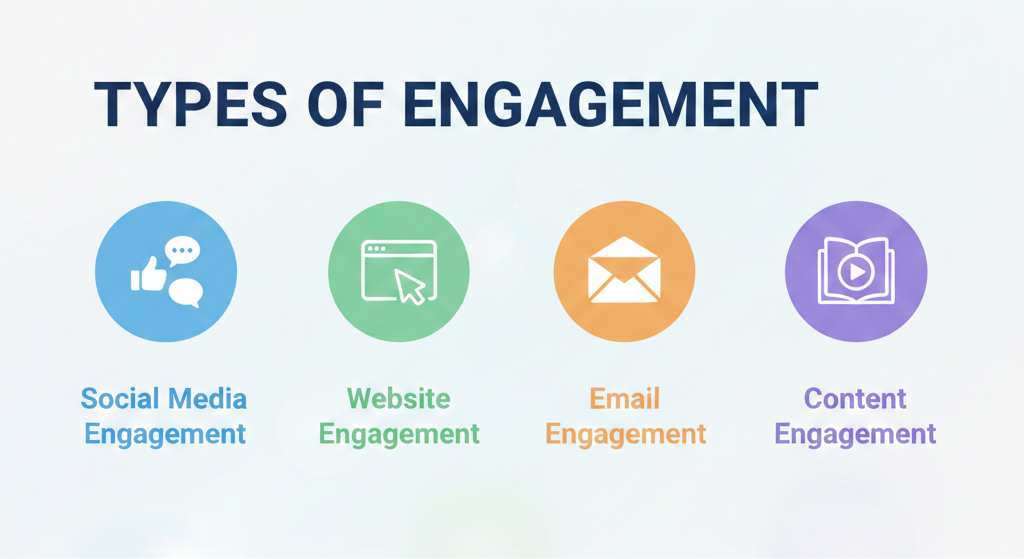
Engagement can take on many different forms, depending on the platform and the type of content being shared.
Engagement and traffic are definitely connected, but they’re not quite the same thing.
You can have a website that attracts a lot of traffic but still struggles with low engagement, which often indicates that the content isn’t really hitting the mark for users.
Many digital platforms rely on engagement signals to determine which content gets the spotlight. High engagement can:
Engagement is a clear indicator to algorithms that your content deserves to be showcased.
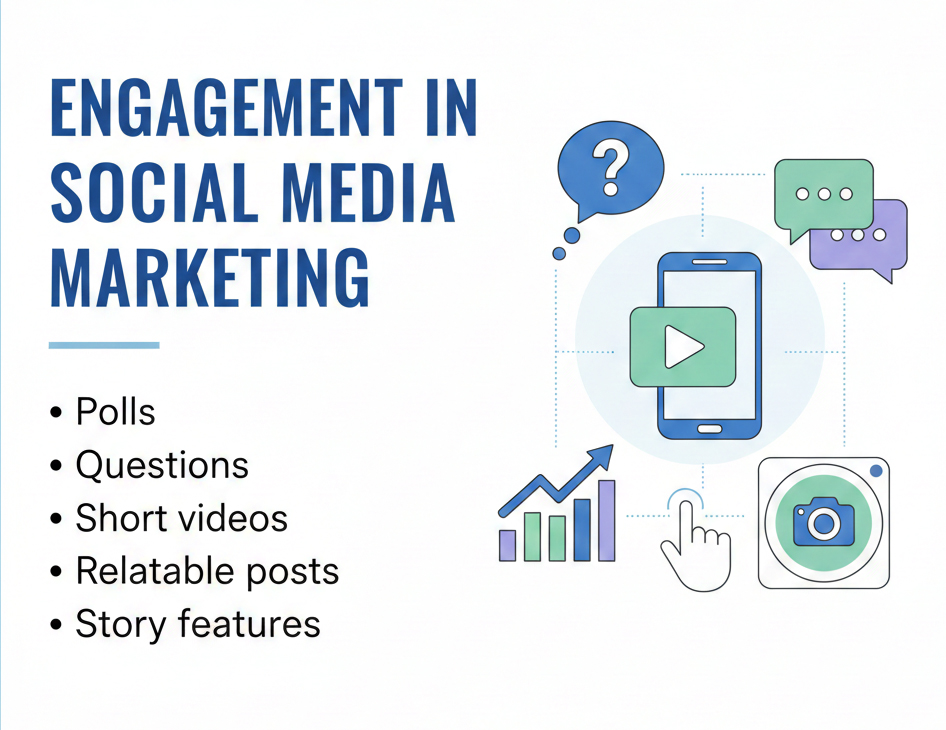
Social media platforms really focus on content that encourages interaction. To boost engagement, consider using:
Keeping your audience engaged consistently is key to building a loyal following.
Content marketing is all about drawing in and connecting with audiences by providing them with valuable content. When engagement is high, it usually means:
When users are engaged, they’re much more likely to come back and make a purchase.
Email engagement is key for marketers to gauge what their subscribers are really interested in. When engagement is low, it can lead to:
On the flip side, having an engaged email list means healthier relationships and better profits.
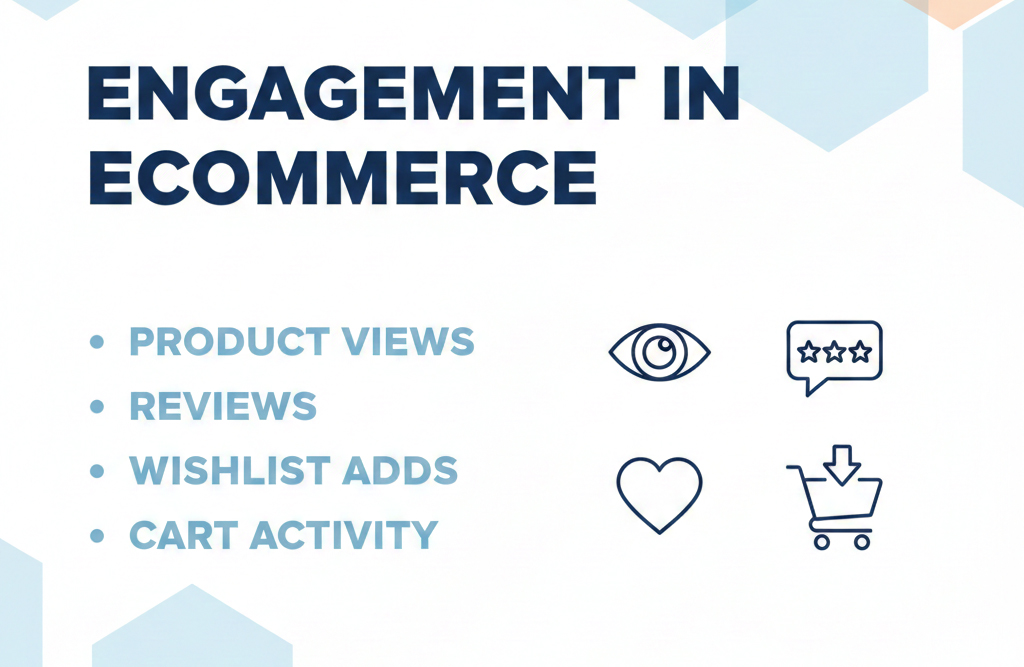
In ecommerce, engagement reflects buying interest.
Examples:
Product views
Reviews
Wishlist adds
Cart activity
Higher engagement increases conversion chances.
Engagement rate shows how many people interact with your content compared to how many people see it.
A higher engagement rate means people like your content and find it interesting.
Many digital platforms rely on engagement signals to figure out how to distribute and showcase content. When engagement is high, it can:
These engagement signals are crucial for platforms to pinpoint content that is both valuable and relevant.
As digital marketing continues to change, keeping engagement at the forefront is more important than ever. Today’s trends highlight the importance of:
Engagement is now a reflection of not just performance, but also the overall value of a brand.