
E-commerce, which stands for electronic commerce, is all about buying and selling goods and services through electronic networks, mainly the internet. It also covers the digital processes that help facilitate these transactions, like online marketing, electronic payments, customer service, logistics coordination, and data analytics.
This shift to e-commerce has completely changed the way traditional businesses operate, allowing both organizations and individuals to engage in commercial activities without the constraints of physical locations. It brings a level of convenience, scalability, and a global reach that was previously unimaginable.

Definition and Core Meaning
- E-commerce is all about buying and selling goods through digital channels.
- It includes everything from online stores and mobile apps to social media and digital marketplaces.
- When you make a purchase, you typically use electronic payment methods like credit or debit cards, digital wallets, online banking, or even cryptocurrencies.
- Essentially, e-commerce brings together technology, business strategies, and customer experiences into one seamless digital world.
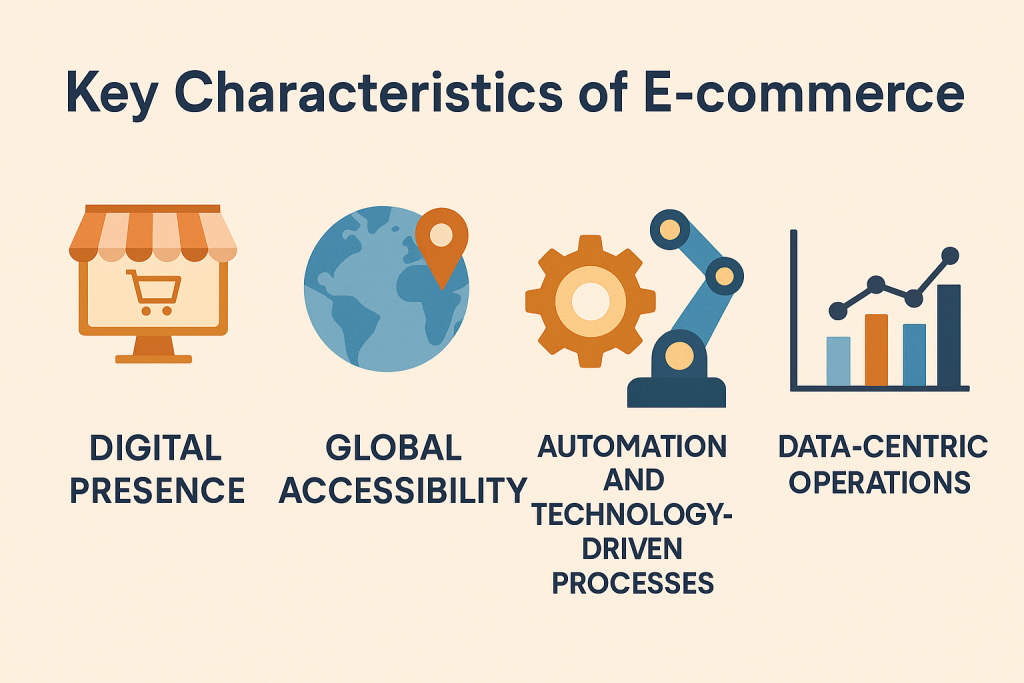
Key Characteristics of E-commerce
- Digital Presence: Nowadays, businesses are shifting from traditional brick-and-mortar stores to online platforms like websites and apps. They showcase their products and services through digital catalogs, vibrant images, engaging videos, and detailed descriptions.
- Global Accessibility: E-commerce sites are open around the clock, accessible from anywhere with an internet connection. This means customers can shop effortlessly across borders, whether national or international.
- Automation and Technology-Driven Processes: Many tasks like order processing, inventory management, billing, and customer communication are now automated. With the help of artificial intelligence and machine learning, businesses can offer personalized recommendations and boost their overall efficiency.
- Data-Centric Operations: Companies analyze customer behavior, preferences, and purchase history to make informed decisions. This data-driven approach enhances targeted marketing, helps in demand forecasting, and measures performance effectively.
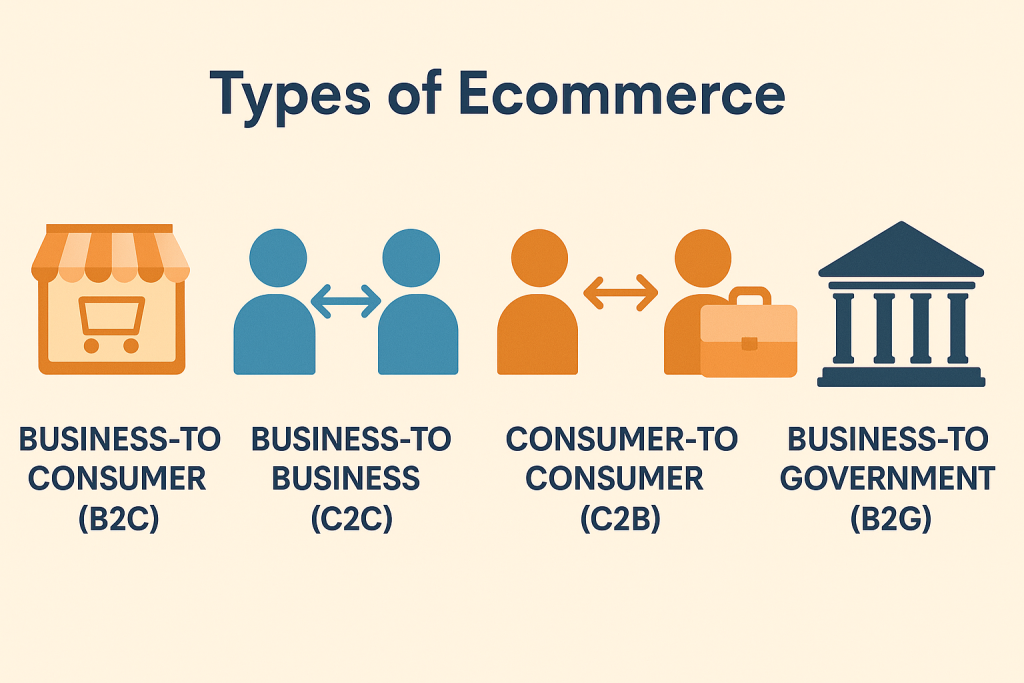
Types of Ecommerce
- Business-to-Consumer (B2C): This is where businesses sell their products or services straight to individual customers.
- Consumer-to-Consumer (C2C): This involves individuals selling products or services to one another through online platforms.
- Consumer-to-Business (C2B): In this model, individuals provide products or services to businesses.
- Business-to-Government (B2G): This is when businesses supply goods or services to government entities, often using digital procurement systems.
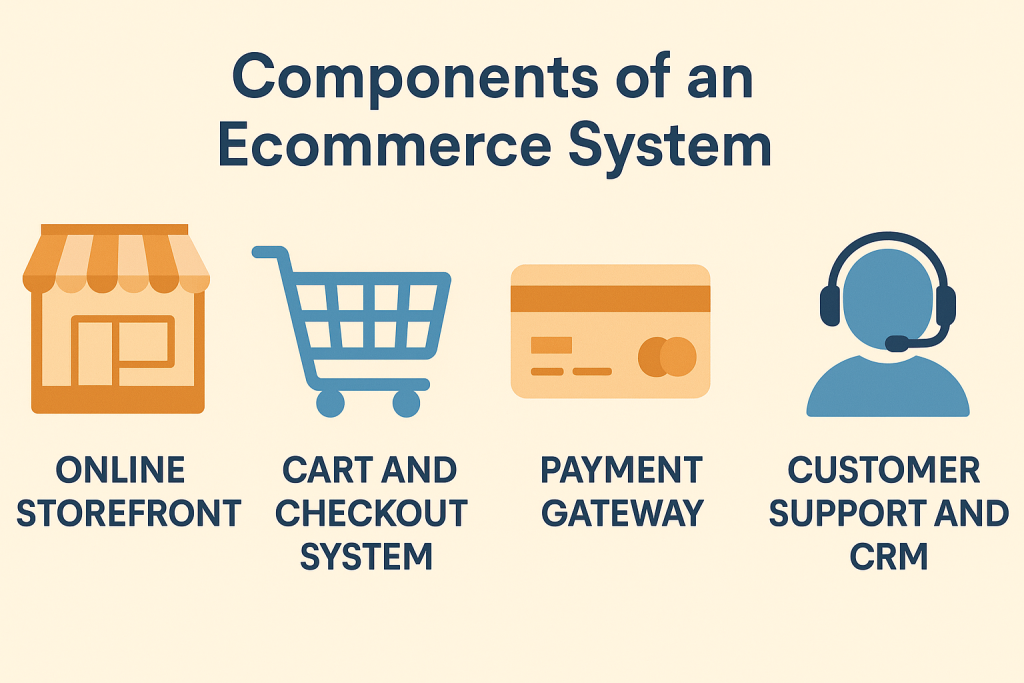
Components of an Ecommerce System
- Online Storefront: This is the digital space where customers can explore and choose their favorite products.
- Cart and Checkout System: This feature lets customers gather items and move on to the payment process.
- Payment Gateway: This ensures that electronic payments are processed securely.
- Customer Support and CRM: This is where inquiries, complaints, and after-sales service are addressed.
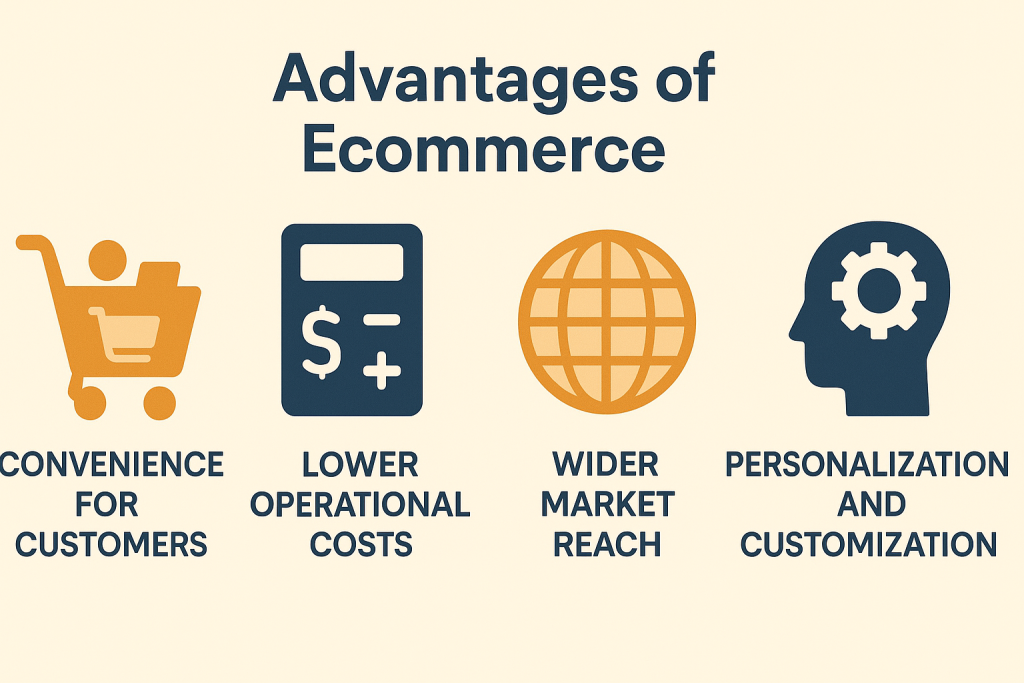
Advantages of Ecommerce
- Convenience for Customers: Shopping can happen anytime, without the need to step into a physical store. It’s super easy to compare prices, features, and reviews all in one place.
- Lower Operational Costs: There’s less need for physical spaces and sales staff, which cuts down on expenses. Plus, automation helps reduce manual errors and costs.
- Wider Market Reach: Businesses can connect with customers both nationally and internationally. This gives small businesses a fighting chance against larger competitors.
- Personalization and Customization: Tailored product recommendations really boost the user experience. Marketing messages can be customized to fit individual preferences.
Role of Ecommerce in the Modern Economy
- Digital Transformation of Businesses: It sparks innovation and encourages the use of new technologies, fundamentally changing the way traditional retail and service industries operate.
- Employment Generation: It opens up new job opportunities in fields like IT, digital marketing, logistics, and customer service, while also fostering entrepreneurship and self-employment.
- Consumer Empowerment: Shoppers now enjoy a wider array of choices and access to clear information. Customer reviews and ratings play a significant role in shaping market competition and enhancing quality.
- Driving Global Growth: E-commerce fuels growth by connecting businesses to global customers and enabling faster, more efficient trade.

